Envision Energy and IATA Sign MoU to Collaborate on Power-to-Liquid eSAF
Why It MattersThe pact points the SAF sector toward non-biomass supply, since limited oil and fat feedstocks cap HEFA growth and PtL economics hinge on renewable power cost and carbon accounting rules.
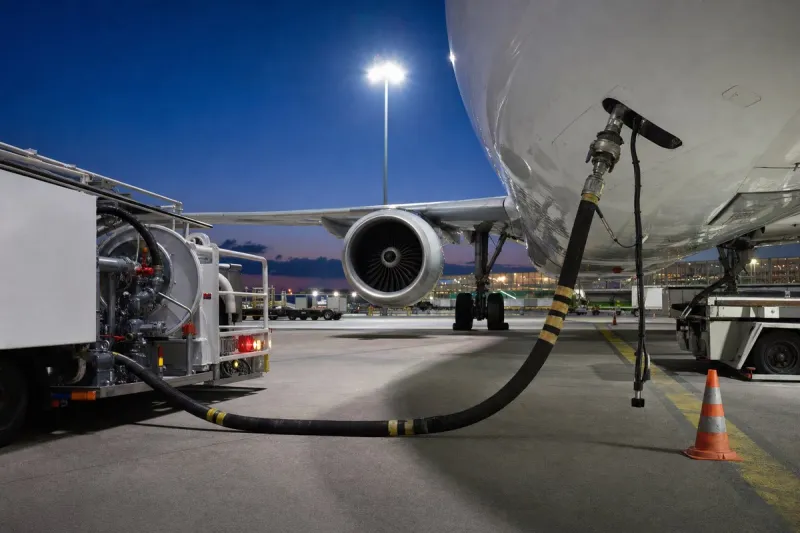
Envision Energy and the International Air Transport Association (IATA) have signed a memorandum of understanding for a strategic collaboration on electric sustainable aviation fuel (eSAF), focused on power-to-liquid (PtL) technology, which uses renewable electricity and green hydrogen to produce liquid aviation fuel from carbon dioxide. The two organizations will jointly publish a research report on eFuels and eSAF.
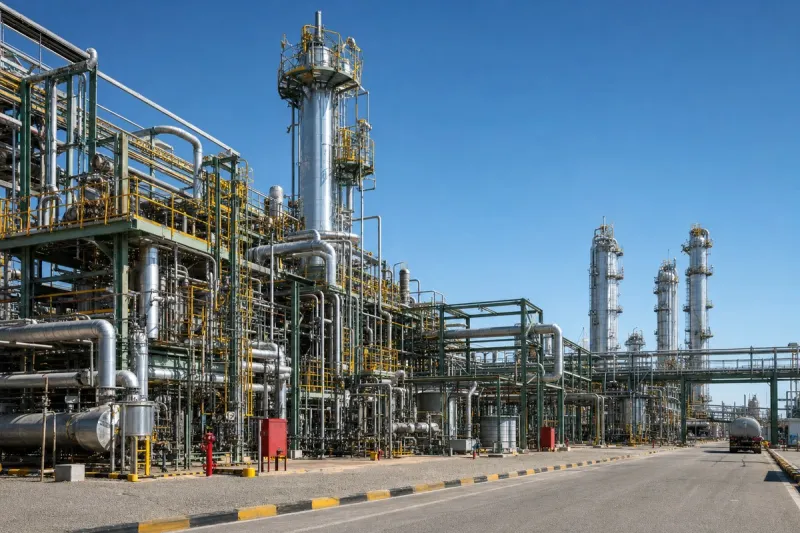
Under the MoU, the partners will examine how renewable power and green hydrogen production can be integrated with fuel synthesis to improve efficiency. They will also explore ways to reduce production costs, assess policies that could make projects commercially viable, and study how more consistent carbon accounting practices and market mechanisms could support adoption by airlines.
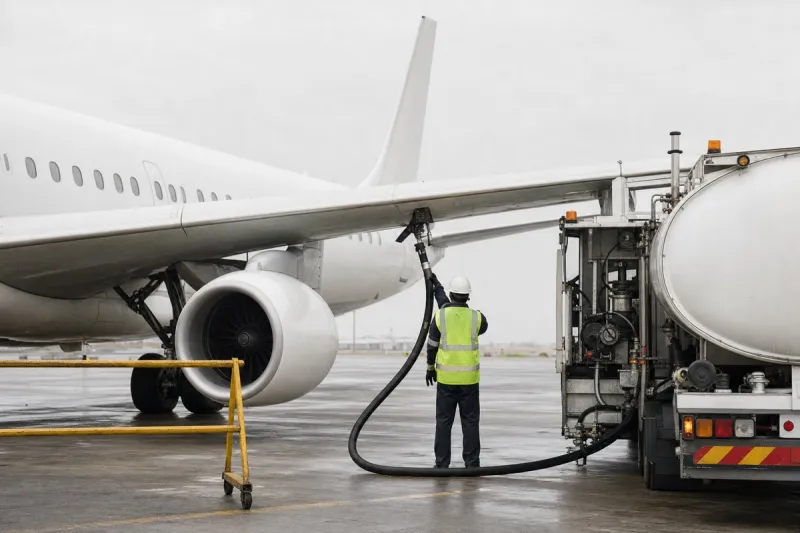
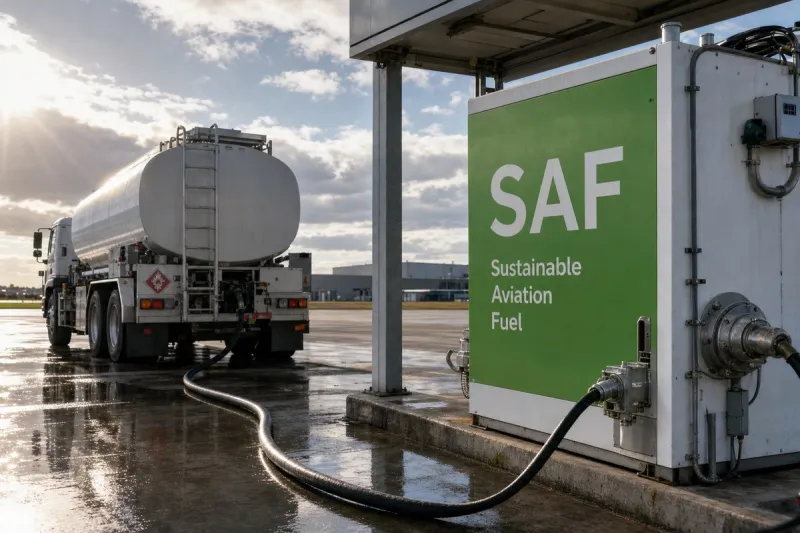
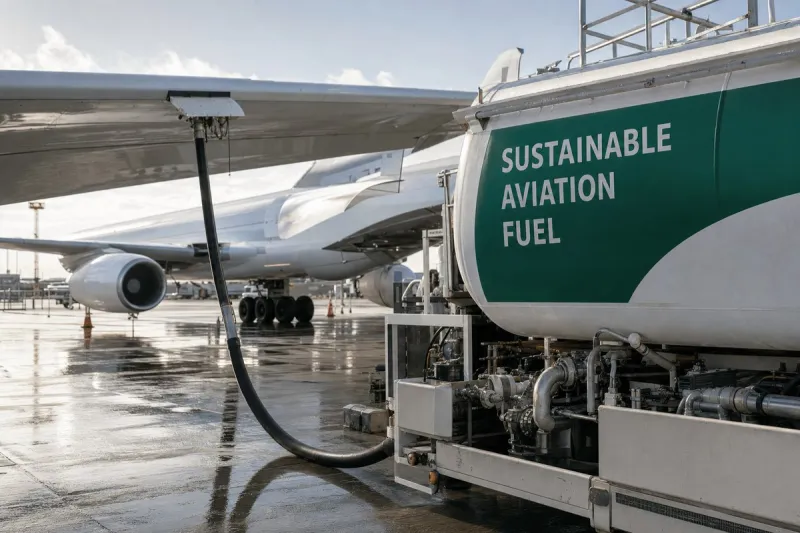
Most sustainable aviation fuel today is produced from oils and fats through the HEFA process, and IATA's Global Feedstock Assessment for SAF Production Outlook highlights that the limited supply of these feedstocks constrains long-term growth. PtL offers a route to expand SAF supply without relying on biomass and to reduce lifecycle emissions from aviation, though its commercial viability depends heavily on the cost of renewable power and how efficiently producers use it. Envision brings experience from its Chifeng Net-Zero Park in Inner Mongolia, where it uses renewable power to produce green hydrogen for ammonia synthesis; green ammonia from the park has already been supplied as marine fuel.
Denis Zaica, SAF Global Head of Commercial at Envision Energy, said aviation's transition will require a portfolio of solutions, with eSAF playing an important role alongside other sustainable fuels. Marie Owens Thomsen, IATA's Senior Vice President, Sustainability and Chief Economist, said scaling new technologies requires the aviation ecosystem, including energy companies, to work together, share expertise and learn from each other to build the knowledge, business models and policy frameworks needed. Beyond the initial research, Envision and IATA will explore opportunities to assess next-generation eSAF production technologies, bring together participants across the supply chain and support wider industry adoption.