Private Jet Flights Can Be Deducted Under IRC 162 Only When Tied to a Genuine Business Purpose
Why It MattersDeductibility depends on how a person accesses flying, so charter and jet card buyers face a simpler business-use test than owners who must justify an aircraft's size, cost and personal use.
Private jet flights can be deducted as a business expense only if the flying is carried out by or for a real business with a documented business purpose. The point comes from an educational article that opens a series on aircraft taxation and is attributed to the head of the tax vertical at MySky, an aviation finance technology provider. The piece says it is general education and not tax or legal advice.
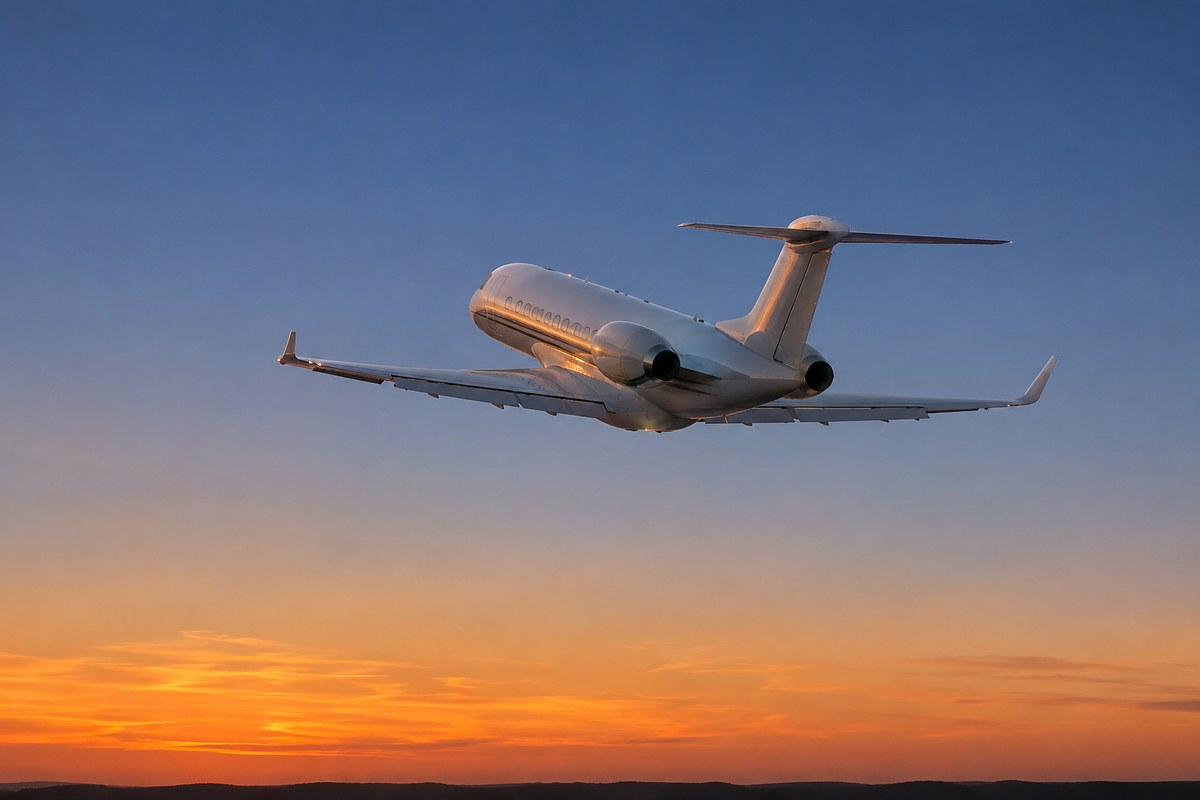
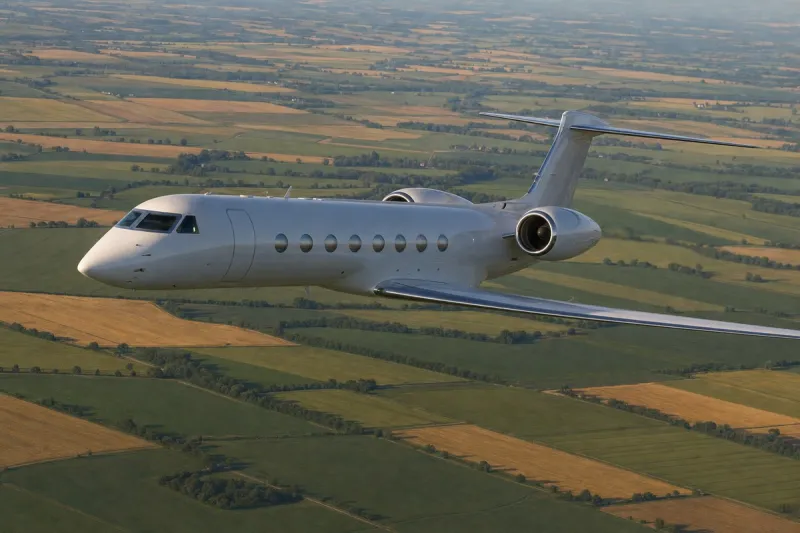
The governing rule is Internal Revenue Code Section 162, which allows a deduction for all ordinary and necessary expenses paid or incurred during the year in carrying on a trade or business, including reasonable salaries and travel expenses while away from home in pursuit of the business. An aircraft owned personally brings no tax advantage: fuel, crew, hangar and insurance for personal travel are personal expenses. If the flying is done by or for a real business, the cost of the business use becomes deductible, and the aircraft itself can be depreciated. The article illustrates the "ordinary and necessary" test with a dental practice that has two offices 150 miles apart: a Cessna 172 could be seen as ordinary and necessary, while a Gulfstream G650 would be far larger and costlier than the job requires, and the IRS could be expected to push back and deny some or all of the deductions.
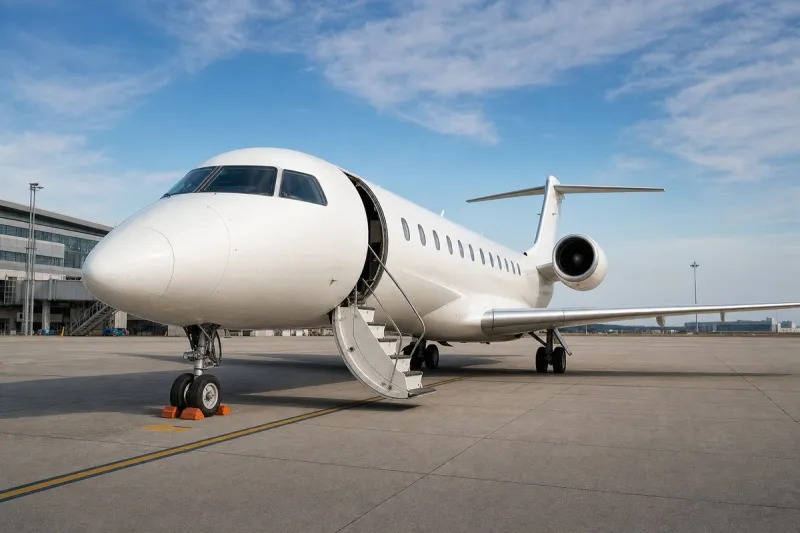
Treatment varies by how a person flies. Charter and card customers own no aircraft and have nothing to depreciate; the cost of business flights, including the charter rate, fuel surcharges and invoice taxes, is generally deductible, and those prepaying through a jet card should ask their accountant when the deposit is deducted. Fractional owners recover their share through depreciation, with operating costs and management fees following the same business-use split.
Carrying personal passengers changes the equation: a spouse, family member or friend aboard for non-business reasons can make a business trip partly personal and create income for the person flying. Travel expenses require substantiation of the amount, date, destination and business purpose, and the article recommends recording the business purpose at or near the time of the flight, such as in a trip log with passenger names and a one-line purpose.