ReFuelEU Aviation Rules in Austria for 2026: SAF Obligations for Suppliers, Operators and Vienna Airport
Why It MattersObligations split across suppliers, operators and airports mean SAF compliance now shapes fuelling decisions at every Austrian Union airport, including for business jet operators that fall within the Regulation's scope.
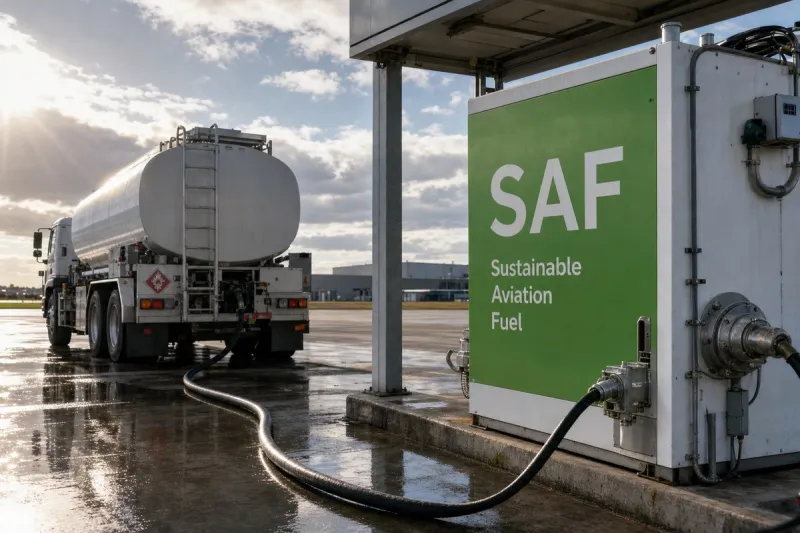
Regulation (EU) 2023/2405, known as ReFuelEU Aviation, sets rising minimum shares of sustainable aviation fuel (SAF) in fuel supplied at Union airports and obliges aircraft operators to refuel properly at those airports. It also adds reporting and verification duties that national authorities enforce. The SAF minimum share applies from 1 January 2025, starting at 2%, and rises progressively. 2026 is the second year of the supplier obligation. A first step-up to a 6% minimum applies from 2030, when a separate sub-obligation for synthetic aviation fuels (e-fuels) also begins to phase in.
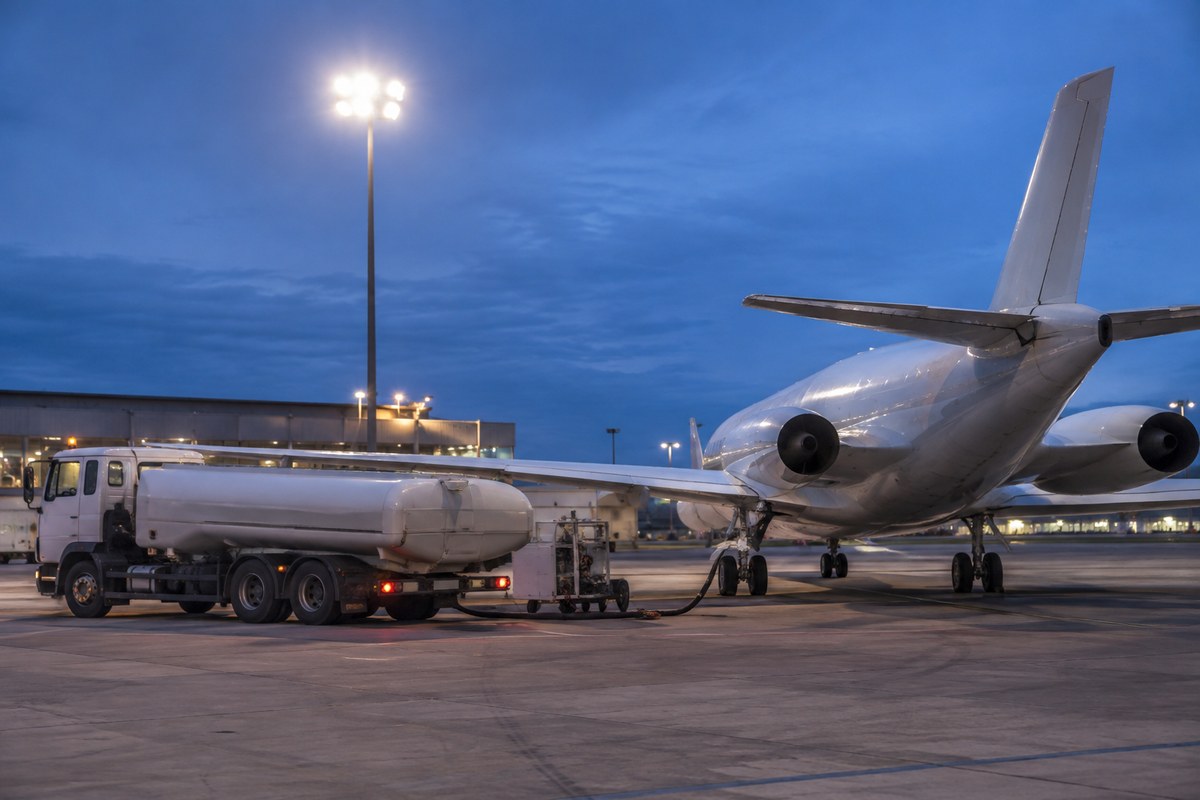
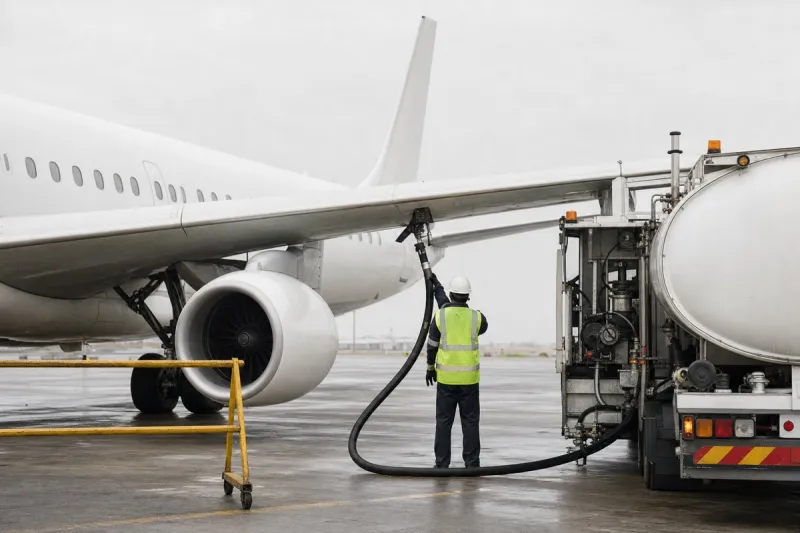
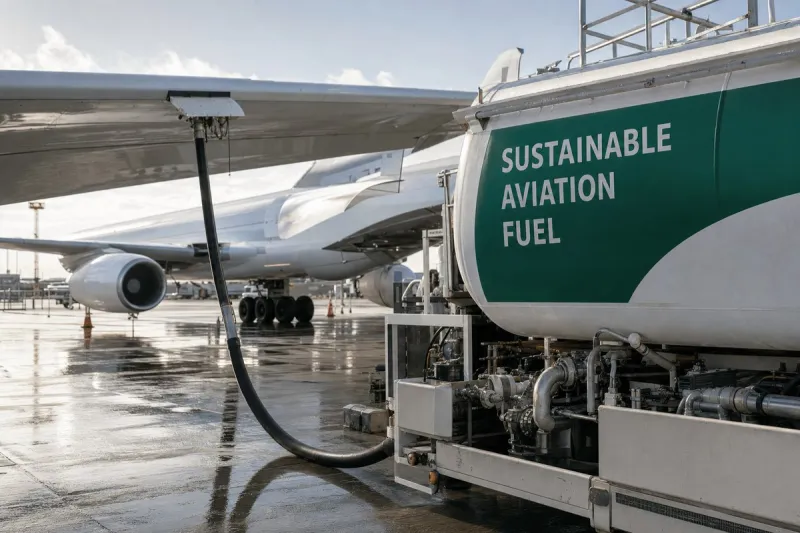
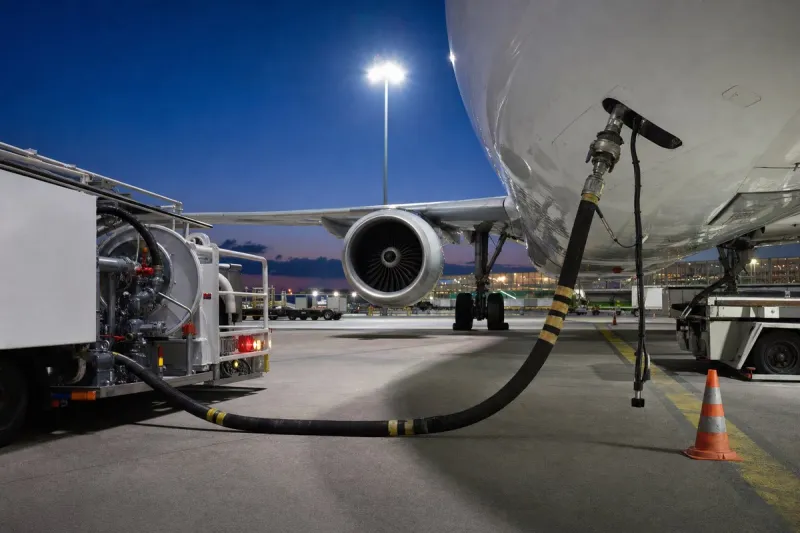
The duties are divided along the fuel supply chain. Aviation fuel suppliers must ensure a minimum SAF share in the fuel they supply, calculated across their yearly supply. Aircraft operators must uplift at least a defined proportion of their yearly fuel requirement at each Union airport, which prevents tankering, the carrying of surplus fuel from elsewhere to avoid refuelling at a costlier station. Airport managing bodies, including fuel infrastructure operators at Vienna Airport (VIE) and qualifying regional airports, must facilitate access to SAF-containing fuel and the infrastructure that supports it.
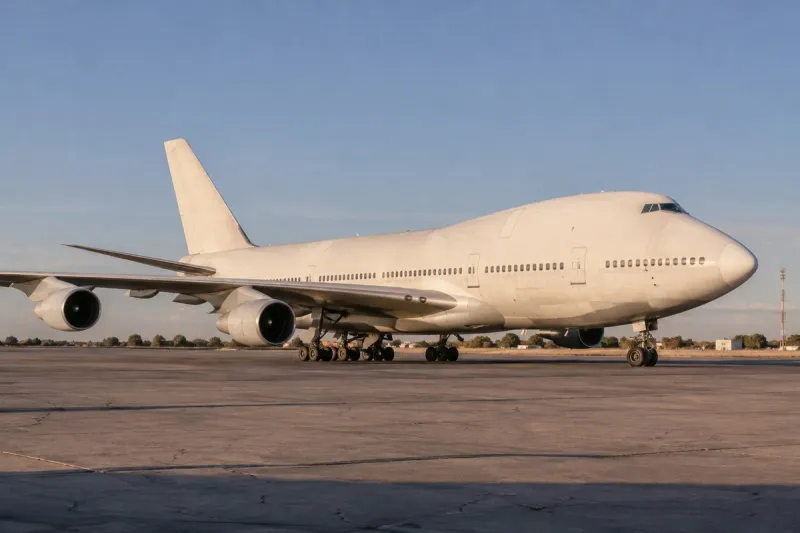
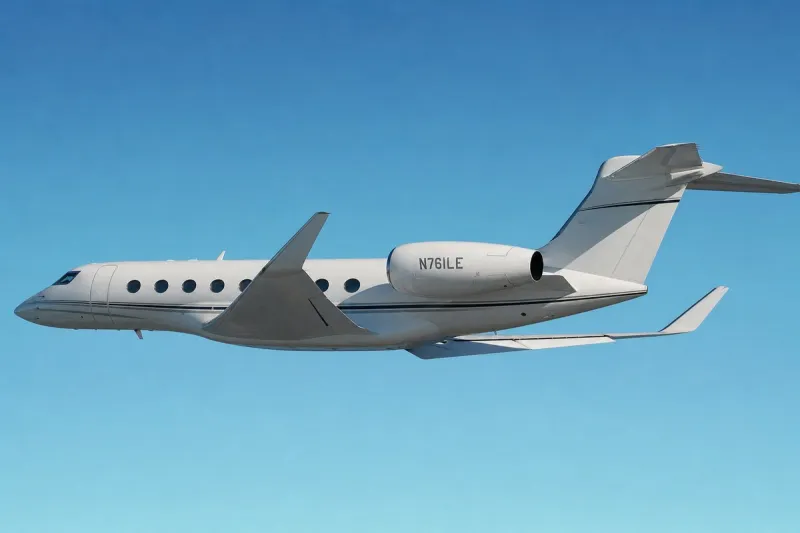
The Regulation is anchored to the Union airport. Vienna Airport, together with Austrian airports that meet the Regulation's traffic thresholds, counts as a Union airport, so fuel uplifted there falls within scope whether the flight stays in the EU or goes to a third country. The Regulation focuses on commercial air transport. Operators below the defined activity thresholds, and categories such as State, military, customs, police, humanitarian, medical emergency and search-and-rescue flights, are treated differently. Business jet operators are not automatically exempt; coverage depends on the Regulation's definitions and thresholds.
A supplier's SAF share is assessed across its yearly deliveries using the Regulation's methodology and mass-balance accounting, while an operator's uplift is measured against its yearly fuel requirement at each Union airport. Suppliers must keep chain-of-custody records tracing the sustainable component from feedstock through blending to delivery, retain the underlying data for the periods required, and be correctly registered as obliged entities for the applicable Austrian reporting route. Compliance is supervised by a national competent authority through an annual reporting and verification process.