Amazon Prime Air MK30 Drone Strikes Power Line, Damages Garage in Huntington Woods, Michigan
Why It MattersAnother low-altitude delivery incident lands while Amazon pushes toward nearly 500 U.S. locations and the FAA finalizes Part 108, sharpening the safety debate over how permissive that rule should be.
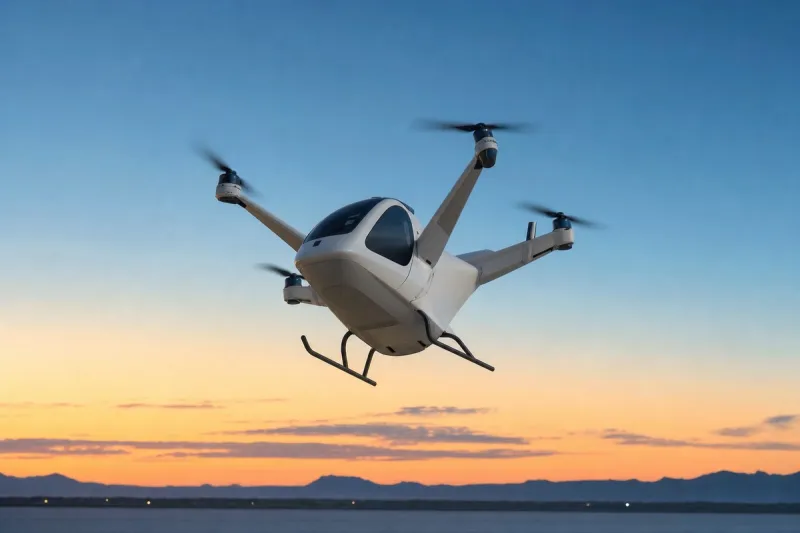
An Amazon Prime Air MK30 delivery drone damaged a garage in Huntington Woods, Michigan, on Friday after striking a fiber-optic service drop line. The National Transportation Safety Board (NTSB) told FLYING it is aware of the incident and is determining whether to open an investigation.
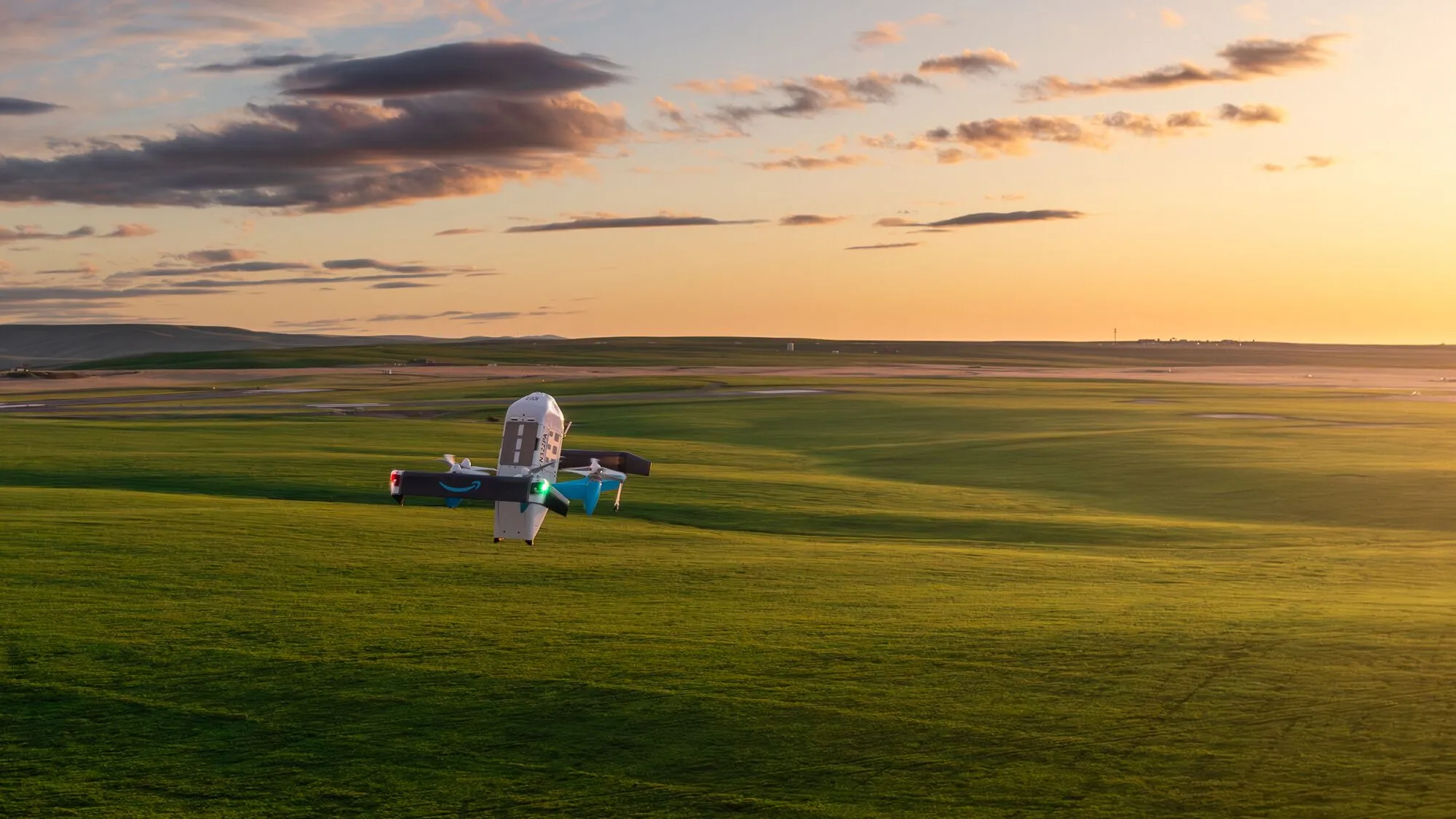
Resident Jim Brennan told WXYZ-TV in Detroit that the drone hit his neighbor Logan Coomes' garage door after delivering shampoo to a backyard. The MK30 weighs about 83 pounds and carries up to 5 pounds. Brennan said the line detached one of its propellers after the delivery was completed. A DTE Michigan spokesperson told the Detroit Free Press the aircraft got caught in a service drop line, and the utility had to de-energize the line, help remove and recover the drone, restore power and reattach the line.
Coomes said Amazon Prime Air arrived within 10 minutes to retrieve the drone and removed its battery as a precaution. He said the garage was damaged enough that water could come through, and its shingles were lifted from their original positions. Amazon offered to cover the damage. Amazon spokesperson Jack Stelzner said the drone "landed on a resident's garage," that there were no injuries, and that incidents are extremely rare. He said Prime Air delivers almost 6,000 packages daily.
Unlike drones operated by Zipline and Wing, the MK30 descends to about 13 feet above the ground to drop packages instead of lowering them on a tether. DroneXL has recorded nine incidents involving Amazon Prime Air drones between December 2024 and September 2026; the NTSB declined to investigate most of them but probed a handful, including two MK30 crashes in Arizona in October 2025 that struck the same crane boom minutes apart.
Amazon said in August it planned to expand drone delivery to nearly 500 U.S. cities and towns by the end of 2026, while the FAA works to finalize Part 108, a rule that would expand where drones can fly. In March, Amazon withdrew from the Commercial Drone Alliance over what it called a "fundamental and irreconcilable disagreement" on safety, including the Part 108 requirement that drones be able to detect and avoid crewed aircraft. The Aircraft Owners and Pilots Association (AOPA) has cited the 2025 Arizona crashes as evidence Part 108 is too permissive.