Airlines Extend Saudi Flight Suspensions into January 2027 as Madinah and Jeddah Absorb Rerouted Traffic
Why It MattersProlonged suspensions on central and eastern Saudi routes are concentrating displaced demand on the western gateways and carriers still flying them, reshaping regional capacity into early 2027.
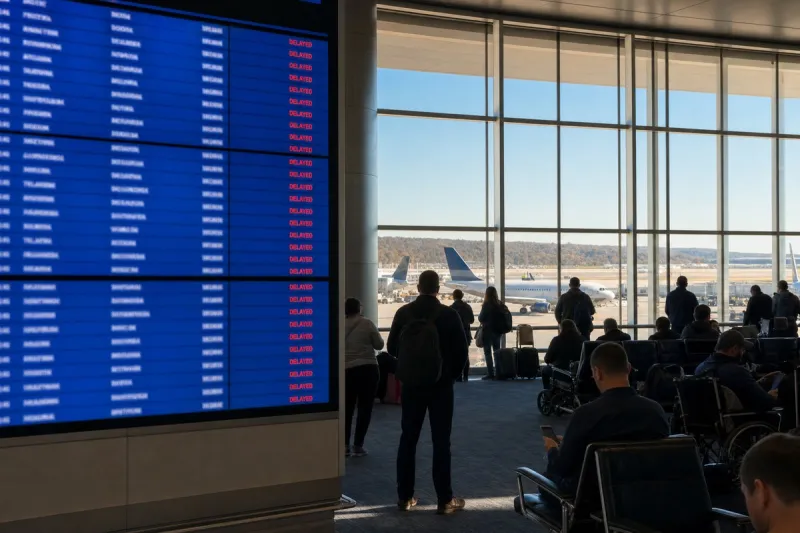
Airlines have extended suspensions on flights to central and eastern Saudi Arabia, according to operational notices verified as of 24 November 2026, while western gateways take on displaced passenger traffic. The European Union Aviation Safety Agency (EASA) extended its Gulf airspace warning, and ocean freight through the Strait of Hormuz remained restricted.
Etihad Airways cancelled all passenger and cargo services between Abu Dhabi and both Riyadh and Dammam through 30 November 2026, keeping its remaining Saudi flights, including Jeddah, on schedule. Emirates has kept Dubai–Riyadh and Dubai–Dammam passenger operations suspended with no confirmed restart date, while maintaining twice-daily Jeddah flights and normal service to Madinah. flydubai extended Riyadh and Abha cancellations through 27 November and is operating a reduced Dammam schedule. European carriers pushed restarts into 2027: KLM extended Riyadh and Dammam cancellations through 10 January 2027 and is keeping Amsterdam–Dubai suspended until 27 March 2027, Air France suspended Riyadh through 4 January 2027, the Lufthansa Group extended Riyadh and Dammam suspensions through 7 January 2027, and British Airways postponed its London Heathrow–Riyadh resumption to 11 January 2027 and permanently discontinued London–Jeddah.
SalamAir cancelled Dammam and Riyadh flights until 30 November 2026, and IndiGo extended cancellations across Riyadh, Dammam, Jeddah and Madinah until 30 November. Qatar Airways is expanding its Saudi schedule from 28 November, scaling Dammam to three daily flights and Jeddah to seven daily flights, with four daily Madinah services, although regional media note frequencies remain curtailed. Air Arabia restored select Riyadh, Dammam and Taif links while keeping Abha suspended. OAG data for November 2026 show Madinah's seat capacity up 23.6% year on year to 0.69 million seats, with Royal Jordanian, flyadeal and Etihad Airways identified as leading drivers of regional seat-capacity growth. Travellers are increasingly rerouting via Jeddah, Madinah and Amman.
On the ground, regional media reported on 20 November 2026 that a Gulf consortium of Saudi, Qatari and Kuwaiti firms began rehabilitating Syria's 465-kilometre M5 motorway, backed by a three-year $670 million road repair allocation. Heavy truck congestion persists at the Nasib–Jaber border crossing with Jordan, and Syrian Transport Minister Yaarub Badr said the bottleneck is related to customs procedures. A proposed World Bank $200 million Syria Railway Rehabilitation and Modernization Project (P517871) would restore priority rail corridors.