Florida Moves Toward Air Taxi Service as Manufacturers Test Aircraft and Airports Study Vertiports
Why It MattersPublic funding of ground infrastructure shifts the early advanced air mobility bottleneck from aircraft to vertiport sites and federal certification, which could shape where networks develop first.
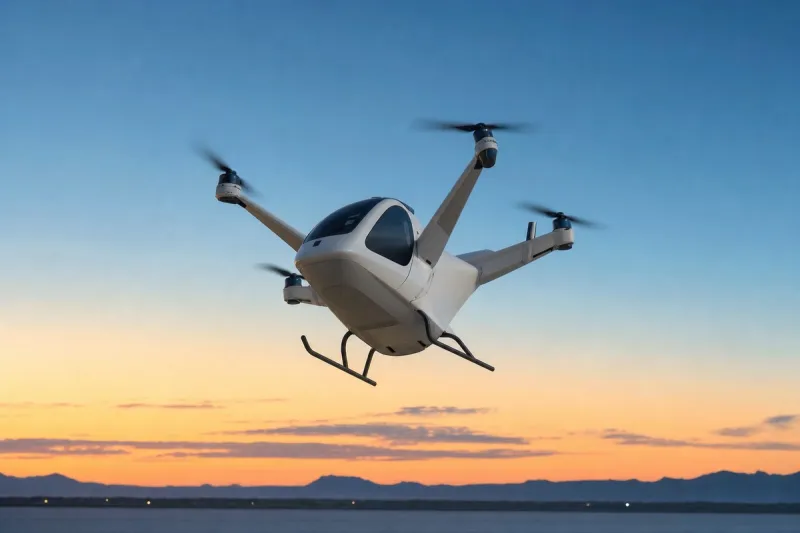
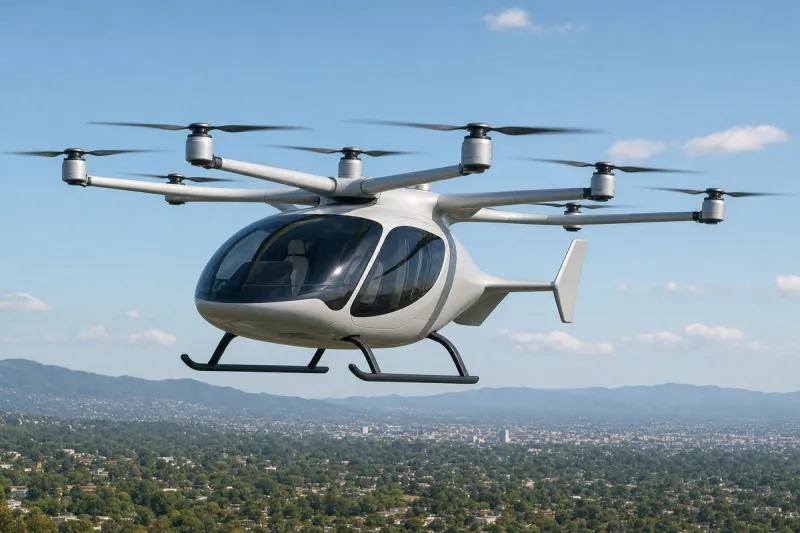
Florida is preparing for advanced air mobility (AAM), a category that includes electric aircraft taking off and landing like helicopters, with possible uses in passenger transport, cargo delivery, patient transport and emergency access. Electric aircraft from California-based Joby Aviation and Vermont-based BETA Technologies recently flew from St. Petersburg to Tampa International Airport to demonstrate air taxi technology. Regular air taxi service may still be years away. In April, Florida became the first state to authorize 100% public funding for certain vertiport projects developed through public-private partnerships. The Florida Department of Transportation is working with manufacturers, airports and other organizations on preparations. University of South Florida researcher Dr. Yu Zhang says that, based on current federal plans, the first commercial air taxi flights could appear in Florida by 2028. The FAA is developing vertiport guidelines, and the aircraft still need federal certification.
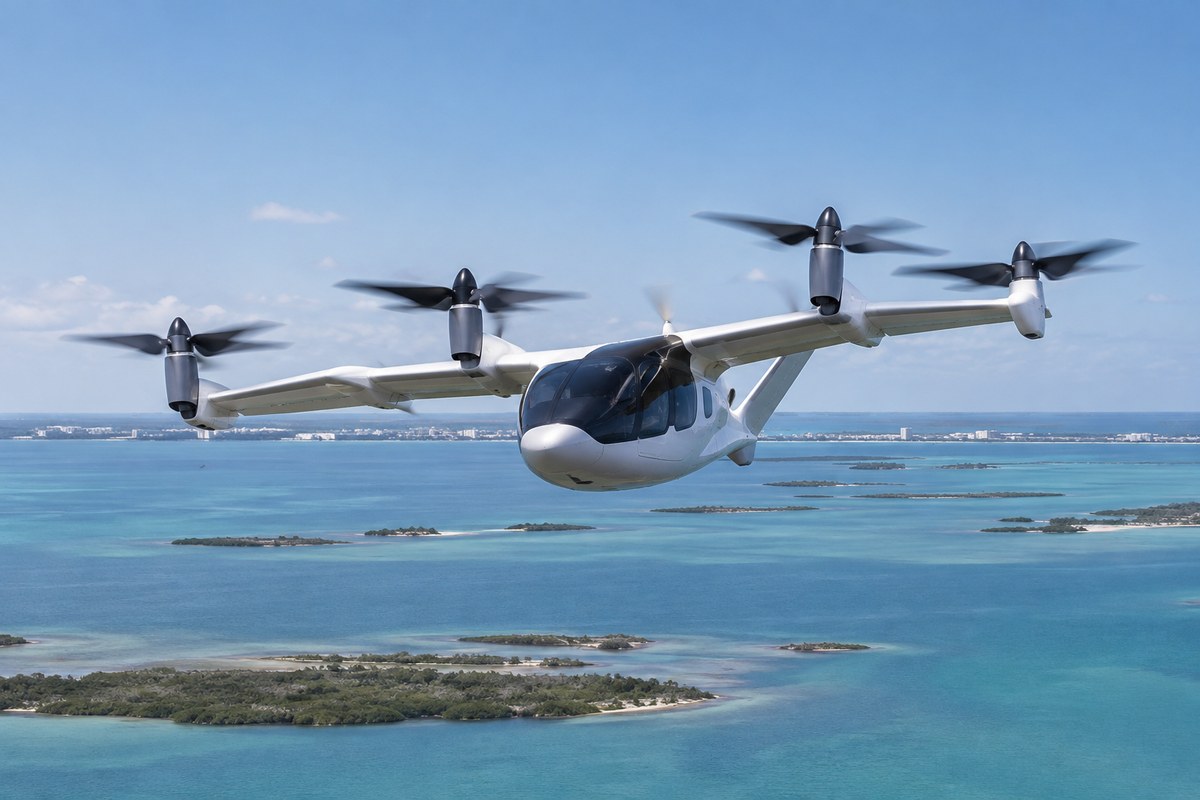
In December 2025, Archer Aviation announced plans for an electric air taxi network linking Miami, Fort Lauderdale, Boca Raton and West Palm Beach, using its Midnight aircraft, designed to carry a pilot and four passengers. Plans include a vertiport in downtown West Palm Beach with developer Related Ross and another at the Magic City Innovation District in Miami, plus potential stops at existing helipads at Hard Rock Stadium and Apogee Golf Club in Hobe Sound. At Boca Raton Airport, officials are studying whether there is room for a vertiport. Executive director Clara Bennett says manufacturers, operators and developers have expressed interest, but no negotiations or agreements exist, and the main obstacle is a lack of developable space. The study's final report is expected in March or April 2027.
Eve Air Mobility, backed by Embraer and headquartered in the U.S. in Melbourne, estimates Florida could support about 290 AAM aircraft by 2035, particularly around Orlando and between Miami and West Palm Beach. Its aircraft is designed to fly up to 60 miles, though business development director Luis Perin expects most trips of 20 to 30 miles. Eve hopes for U.S. and Brazilian certification by the end of 2028 and plans to sell aircraft to operators rather than run its own service. West Palm Beach-based LuftCar is developing hydrogen fuel-cell aircraft intended to carry passengers, cargo and small ground vehicles; founder and CEO Santh Sathya says the technology has been tested in the laboratory and the company is seeking investors for a larger prototype, hoping for a two-seat aircraft in 12 to 18 months.
In Southwest Florida, no airport has announced commercial air taxi plans. Southwest Florida International Airport has identified potential AAM sites in its long-term plan, Punta Gorda Airport will consider the technology in its Master Plan, and Naples Airport is considering an AAM feasibility study in 2027. Zhang's research suggests shifting a small share of truck traffic to the air along the Interstate 4 corridor could reduce highway congestion by an estimated 2% to 3%.