ATAG Waypoint 2050 Sees Hydrogen as a Supporting Role in Aviation Net-Zero, With SAF Still Central
Why It MattersEven in the technology-led scenario SAF carries the larger share of emissions cuts, so hydrogen aircraft remain a long-dated complement and near-term decarbonisation still depends on fuel supply scaling.
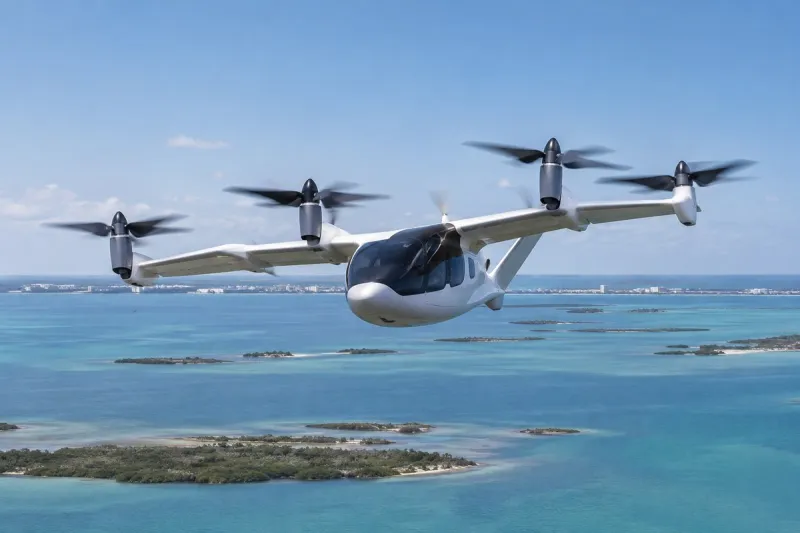
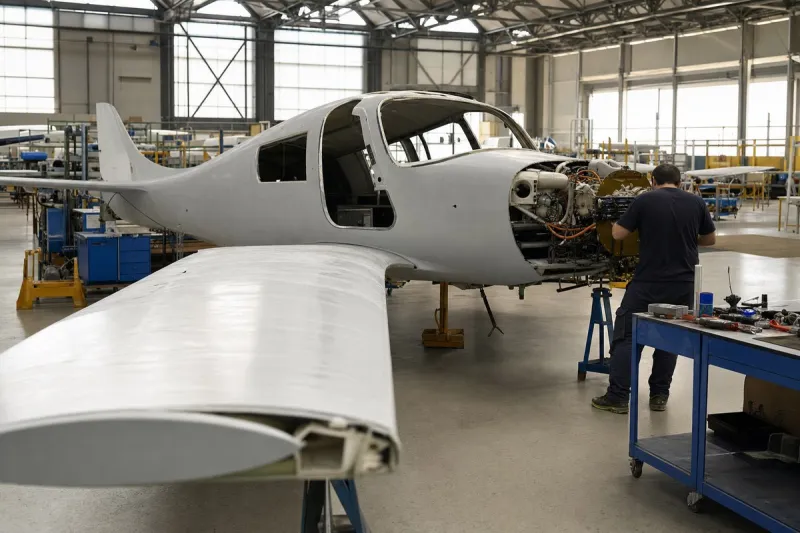
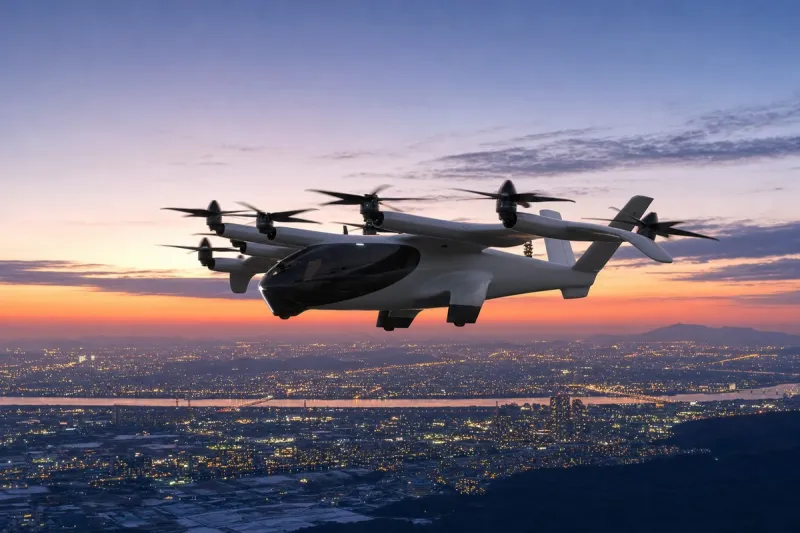
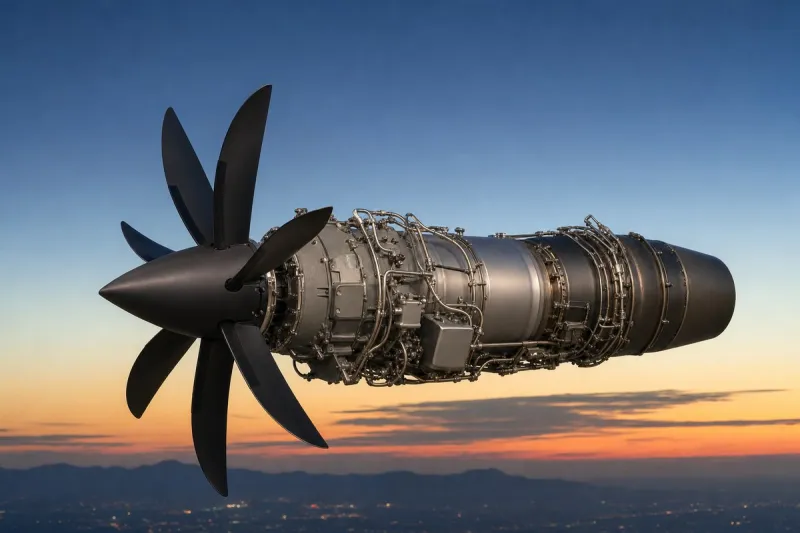
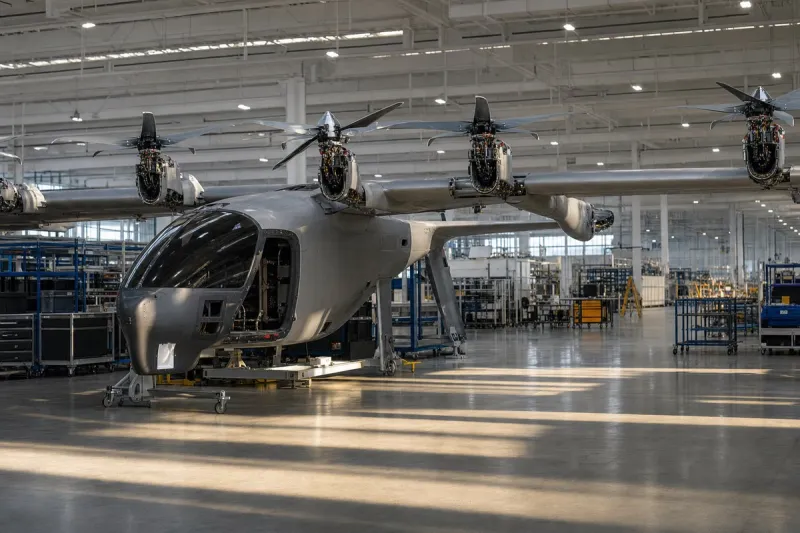
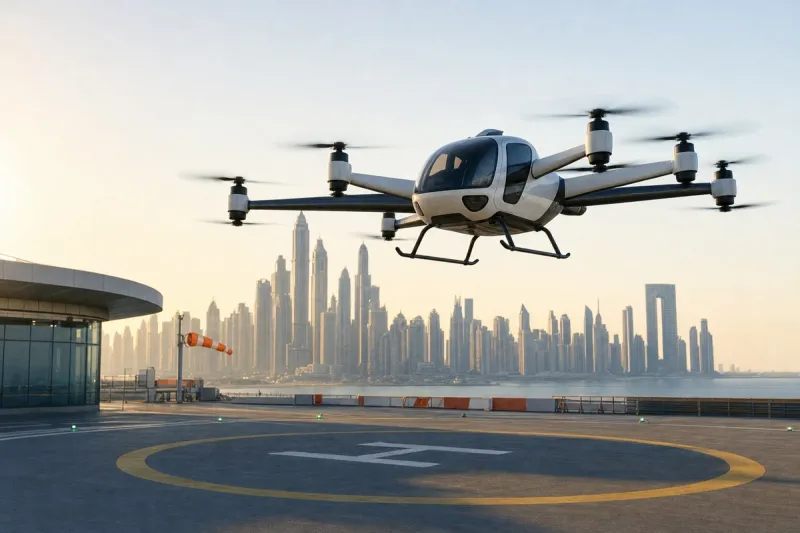
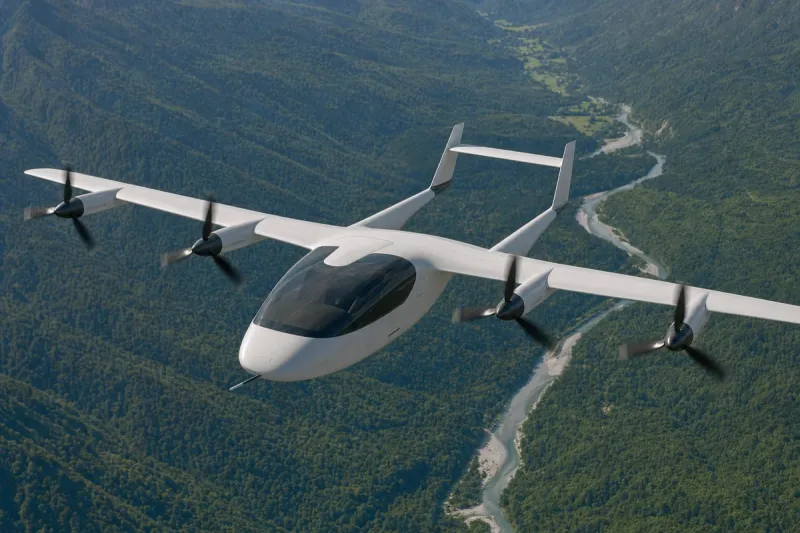
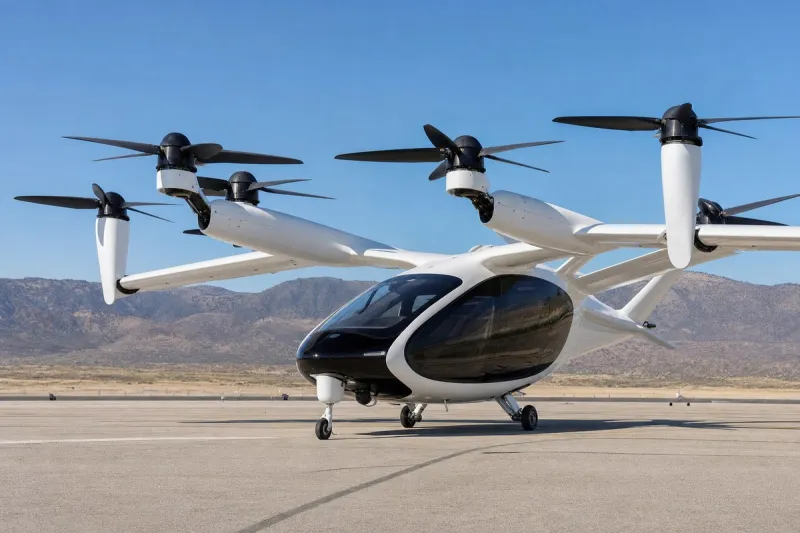
The Air Transport Action Group (ATAG), in the third edition of its Waypoint 2050 report released in February 2026, outlines two possible pathways for aviation to reach net-zero carbon emissions by 2050. One places sustainable aviation fuel (SAF) at the centre; the other is technology-led, involving hydrogen, electric and hybrid-electric aircraft. Under the technology-led scenario, hydrogen-powered aircraft could enter commercial service before 2045, initially in the market for aircraft with fewer than 100 seats, while hybrid-electric aircraft could begin entering the narrowbody segment around 2035.
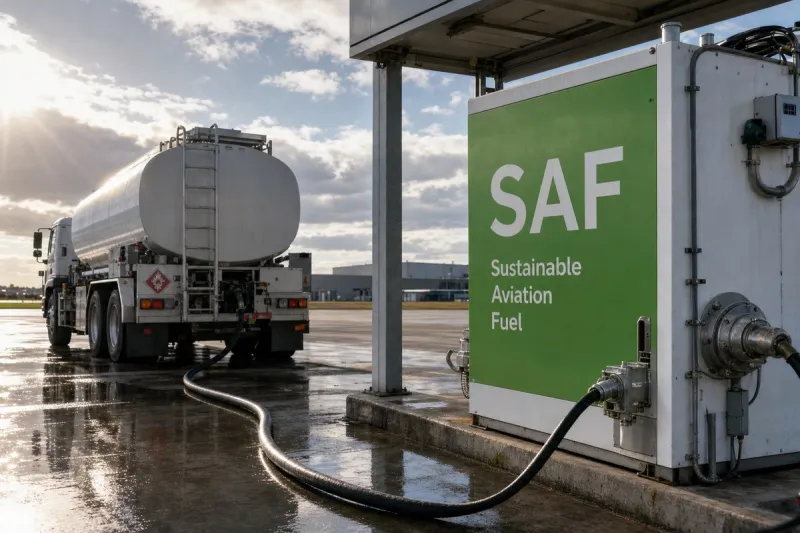
The report estimates SAF could contribute between 38% and 58% of the emissions reductions required by 2050, while next-generation aircraft technologies, including hydrogen, electric and hybrid-electric propulsion, could contribute another 12% to 21%. ATAG identifies the next five years as critical, with priorities including expanding SAF production, deploying fuel-efficient aircraft, modernising air traffic management and strengthening international policy and investment support.
Hydrogen's role also extends beyond aircraft propulsion. Green hydrogen, produced with renewable electricity, is an essential input for synthetic aviation fuels, including electro-SAF (e-SAF). The International Air Transport Association (IATA), in its Net Zero CO2 Emissions Roadmap, estimates aviation could require close to 100 million tonnes of hydrogen annually by 2050. Much of that demand is expected to come from SAF production, while roughly 4 to 14 million tonnes could be used directly to power hydrogen-based aircraft.
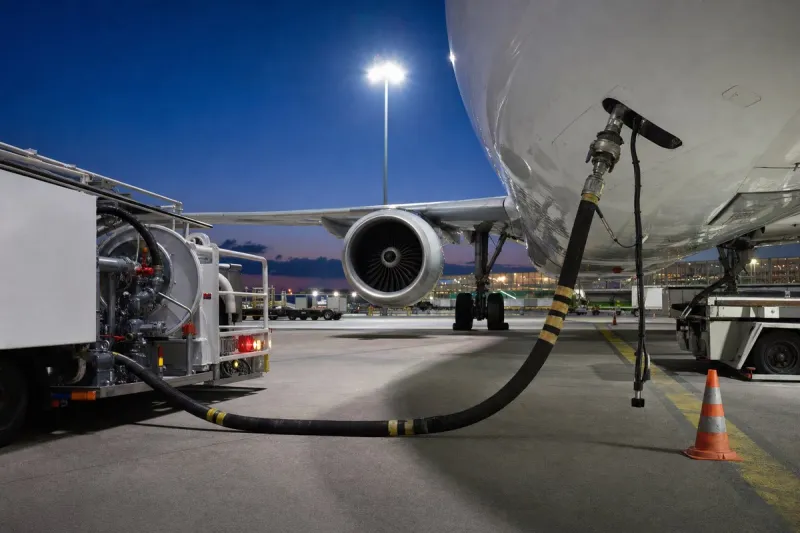
The commercial adoption of hydrogen faces considerable hurdles, including production costs, availability of renewable electricity, storage, transportation and airport refuelling infrastructure. Hydrogen aircraft would require substantial changes to existing aircraft designs and airport operations, and safety standards, certification and coordination among manufacturers, airlines, airports, energy companies and regulators will also matter. SAF production itself must scale up considerably: IATA estimates global SAF output will reach about 2.4 million tonnes in 2026, equal to 0.8% of total aviation fuel.