Hydrogen Aviation in 2026: Fuel-Cell Programmes Advance as Large Airliners Pushed to 2040s
Why It MattersRegional fuel-cell aircraft could open a 500-1,500 km niche between battery-electric and SAF-powered flight, but airport hydrogen infrastructure and green-hydrogen costs remain the binding constraints on timing.
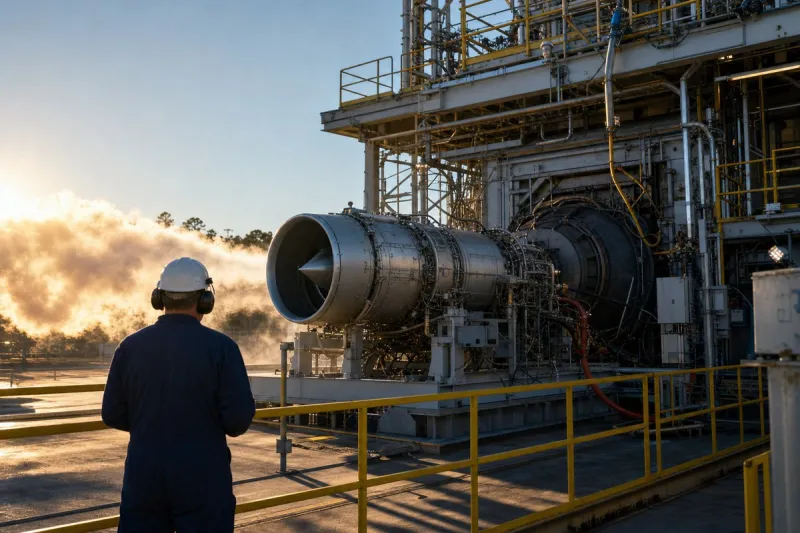
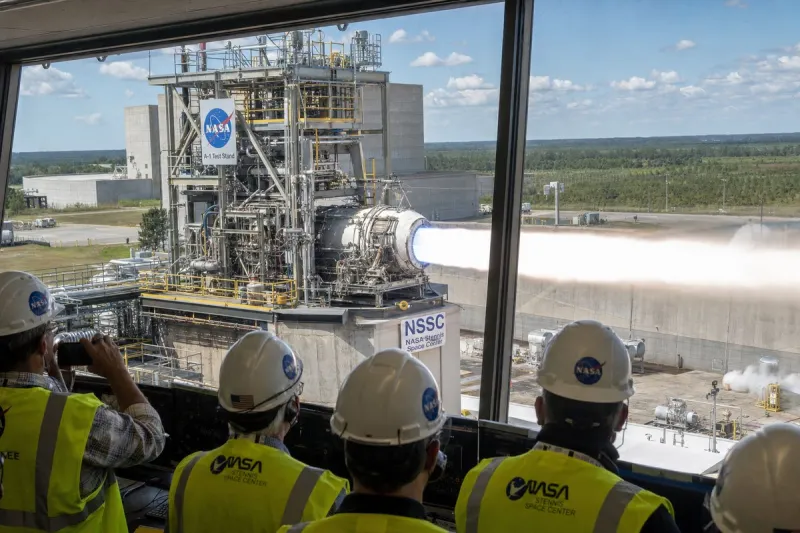
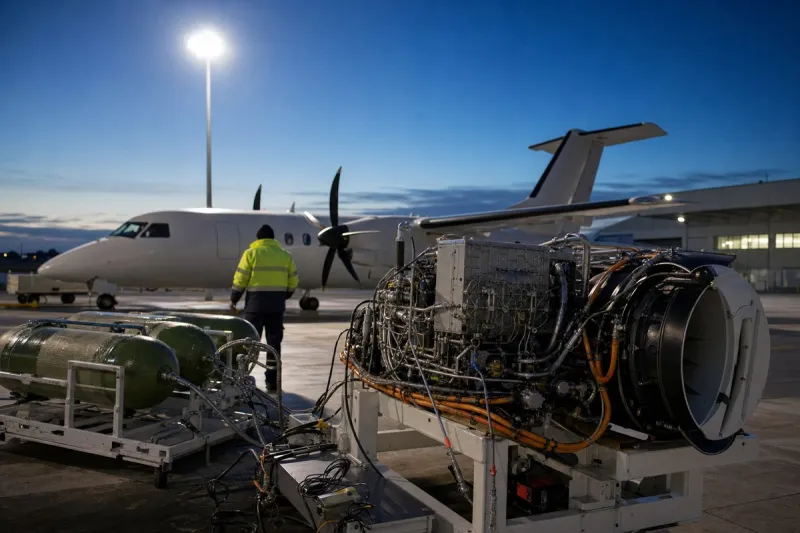
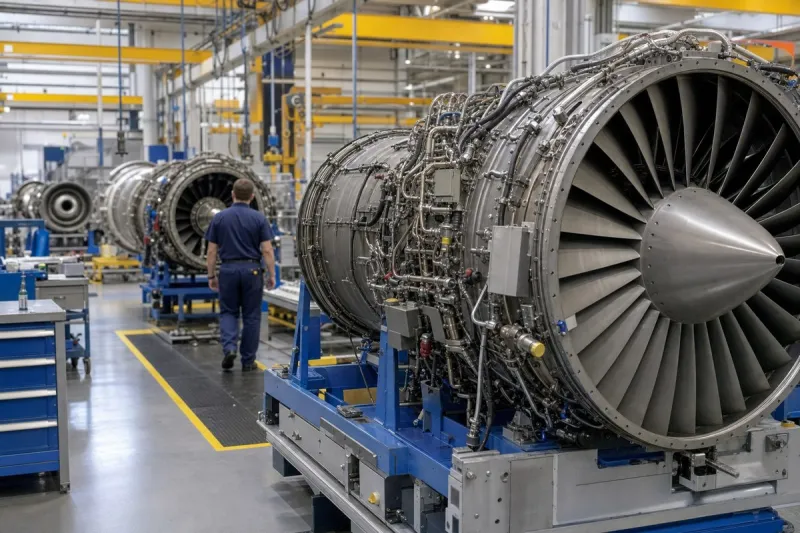
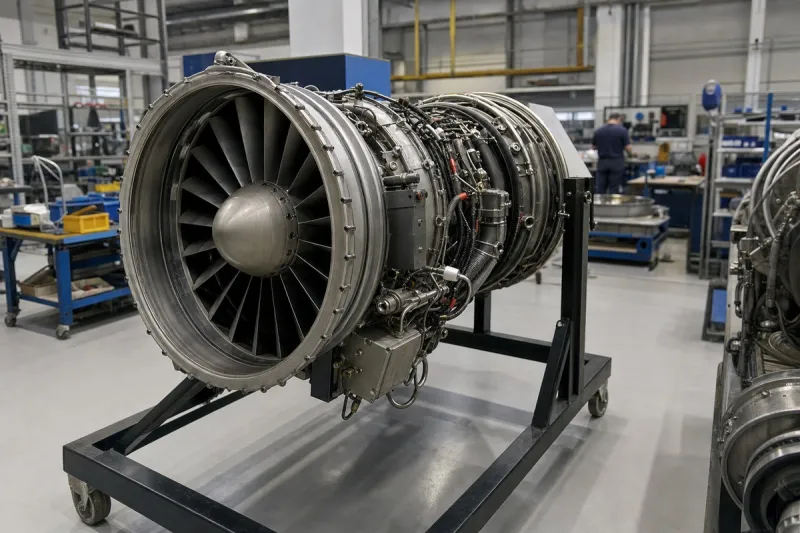
Hydrogen aviation in 2026 sits at a development stage comparable to battery-electric aviation around 2019, with active flying demonstrators, first certification campaigns, and at least one high-profile programme failure that underlines funding risk. Two technical pathways are being pursued: fuel-cell electric systems, which pass hydrogen through a proton-exchange membrane stack to power electric motors at 50-60% efficiency while emitting only water vapour, and direct combustion, which modifies turbines to burn hydrogen at roughly 40% efficiency but still produces NOx and some contrail effects. CFM and Rolls-Royce are running ground tests of combustion approaches, though no full combustion hydrogen aircraft has yet flown, and every certified hydrogen powertrain expected before 2030 is a fuel-cell design.
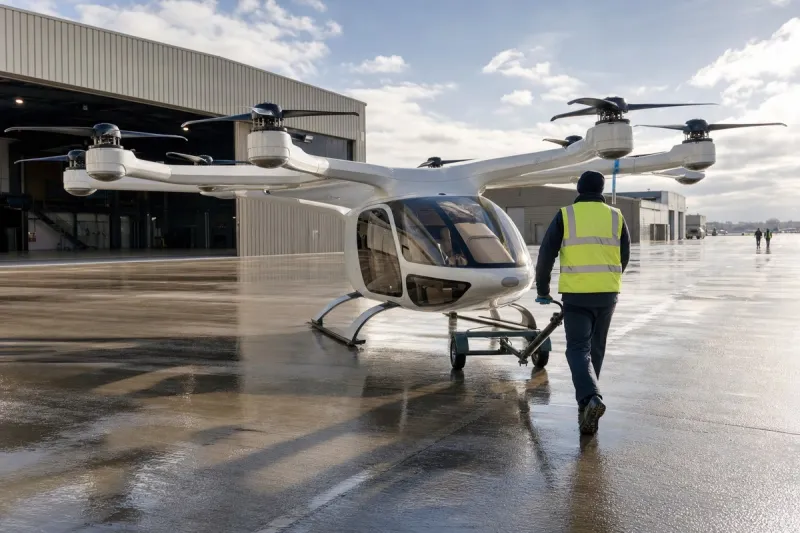
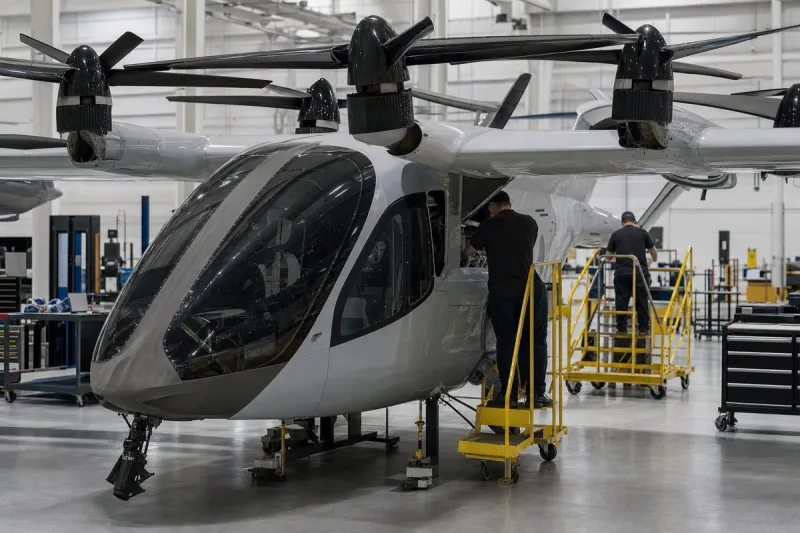
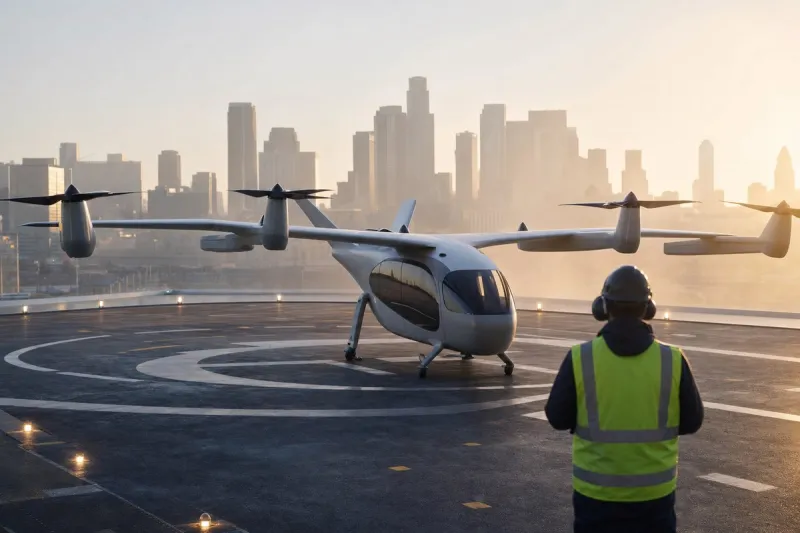
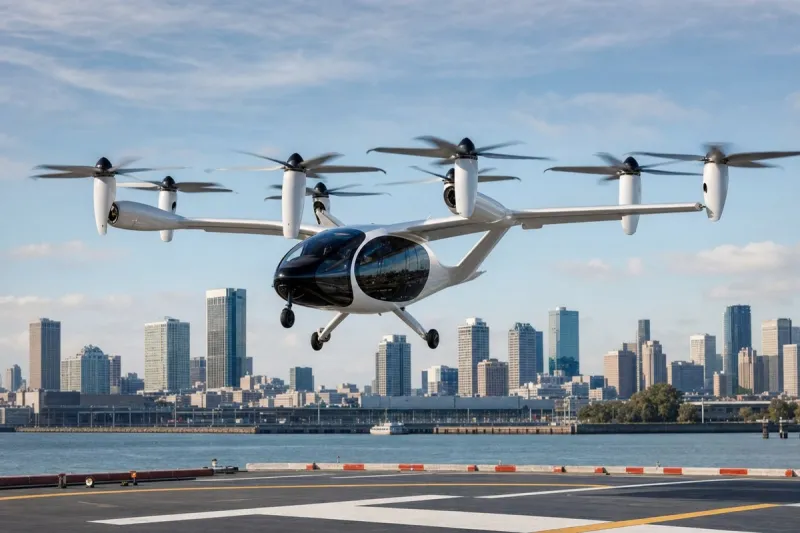
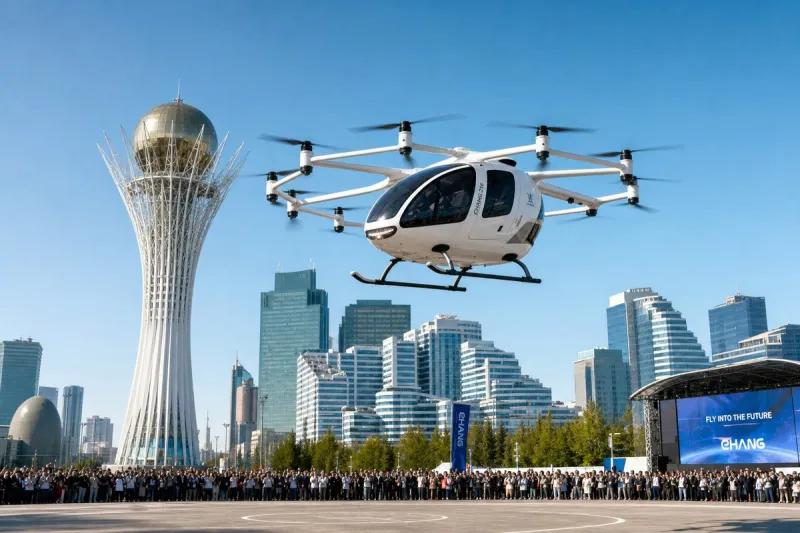
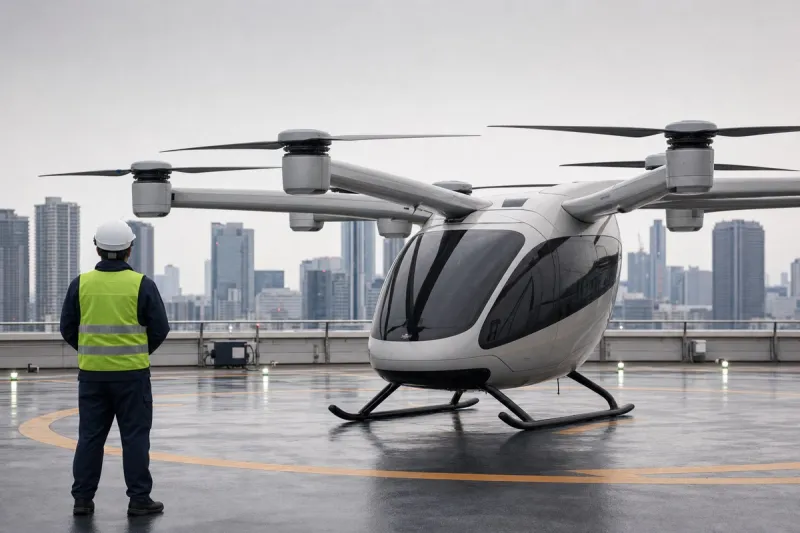
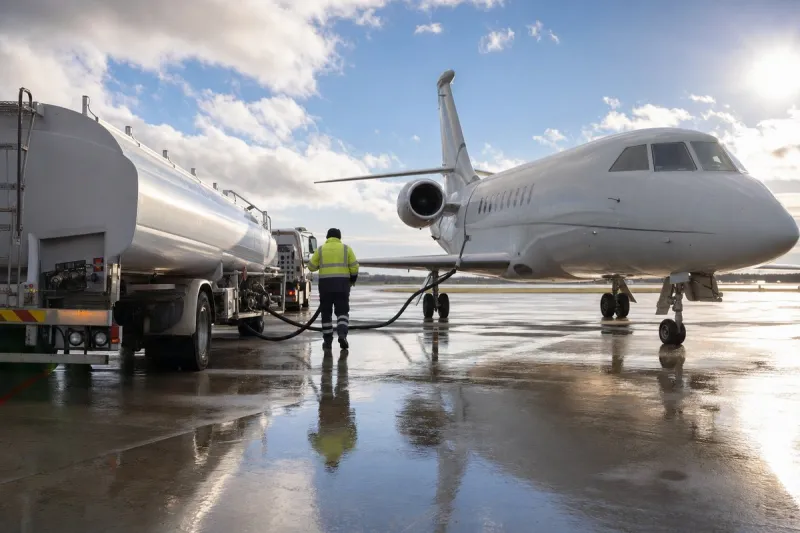
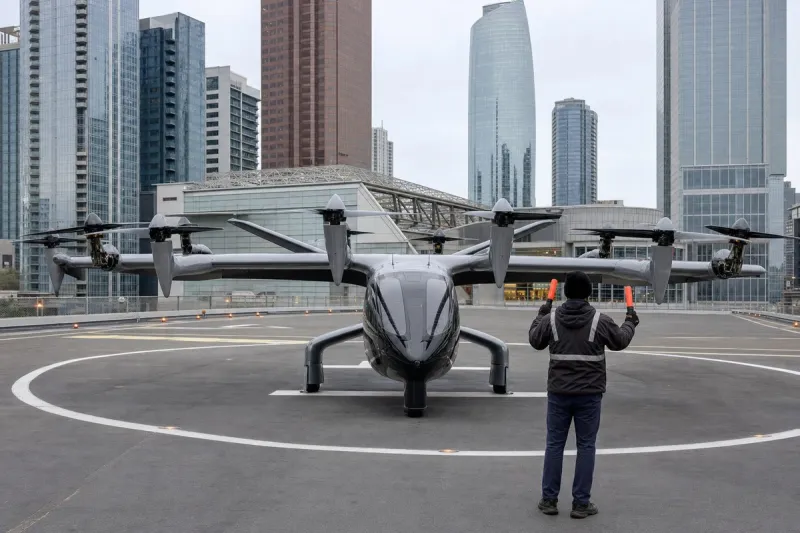
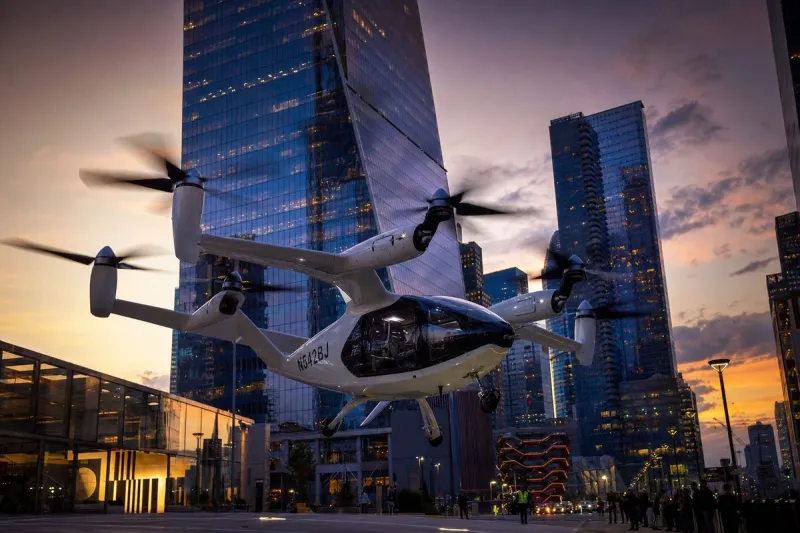
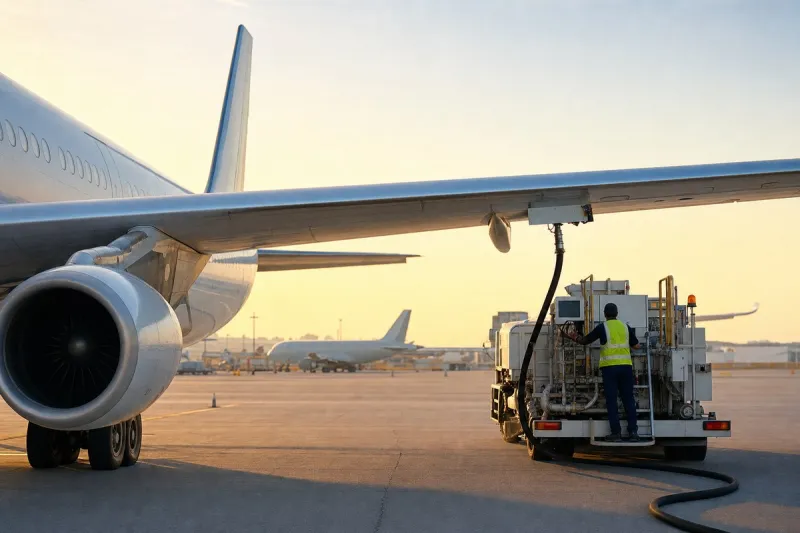
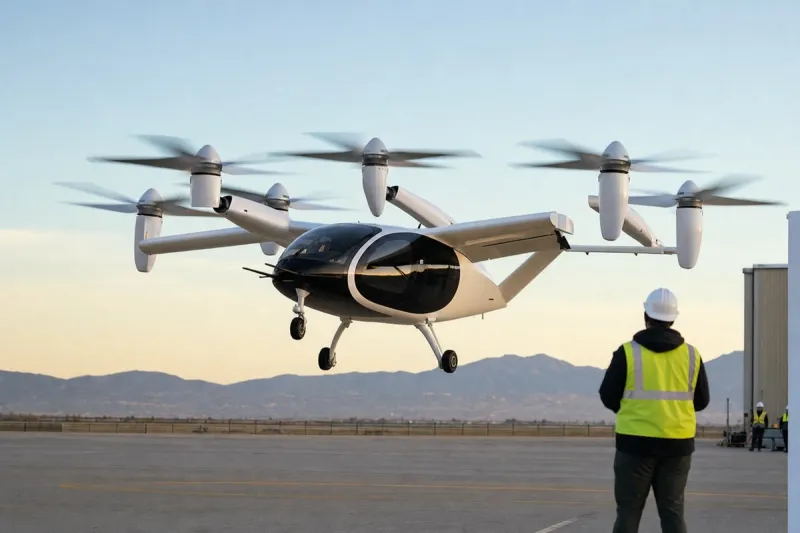
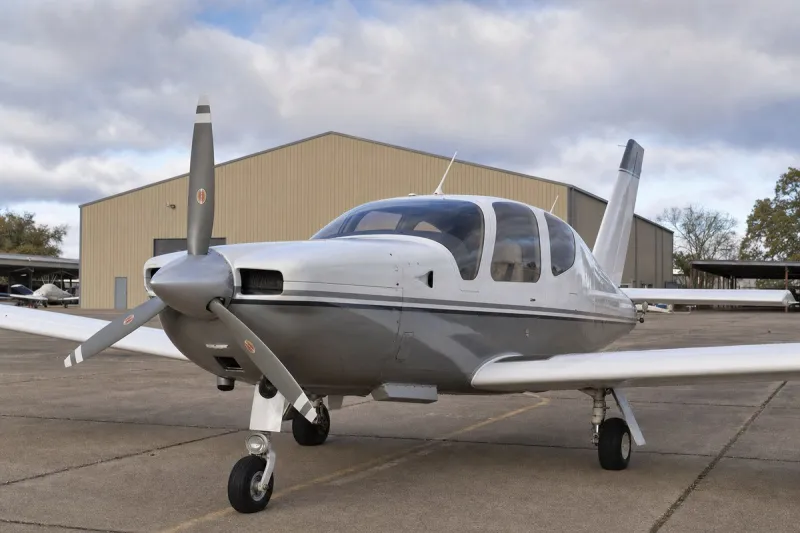
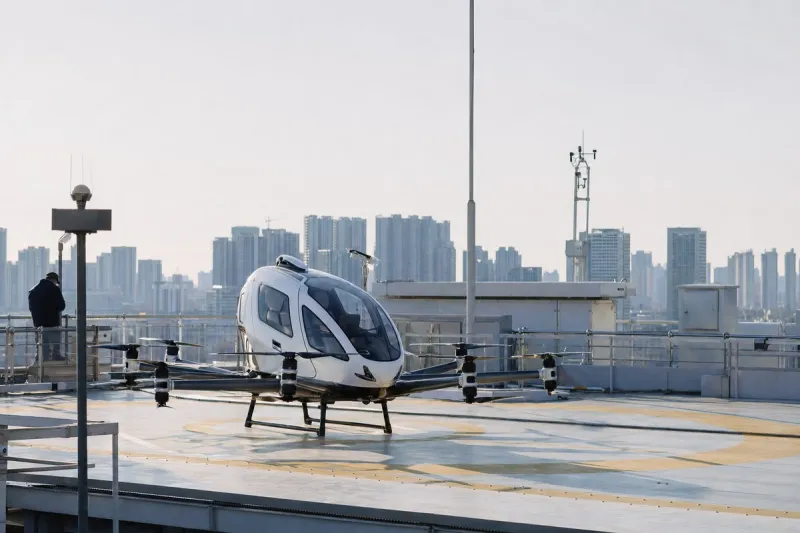
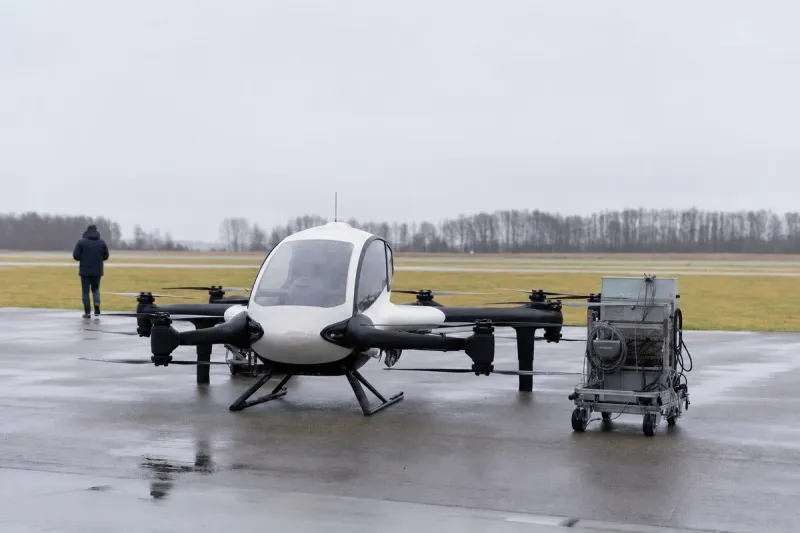
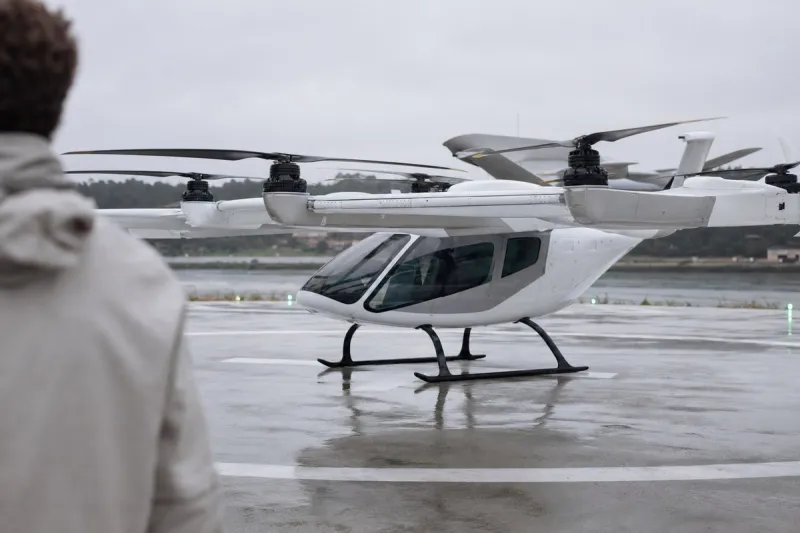
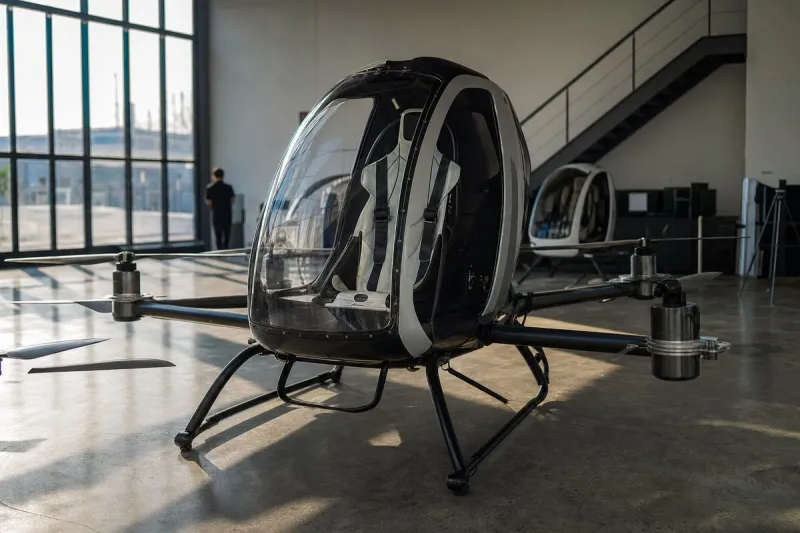
Storage is the central engineering challenge: compressed gaseous hydrogen at 700 bar yields about 40 kg H2 per cubic metre, while liquid hydrogen at -253°C reaches roughly 71 kg/m³ but needs cryogenic tanks and new airport fuelling procedures. In 2023, H2FLY flew the world's first piloted liquid-hydrogen fuel-cell aircraft, doubling the range of the compressed-gas version of the same airframe. Among active programmes, ZeroAvia's ZA600, a Dornier 228 retrofit seating 9-19 passengers on gaseous hydrogen, is in a certification programme with the UK Civil Aviation Authority and the US Federal Aviation Administration, while its larger ZA2000, targeting ATR/Dash-8-class aircraft with 40-80 seats on liquid hydrogen, is undergoing powertrain ground testing. H2FLY, now associated with Joby Aviation, is running liquid-hydrogen eVTOL demonstrations on a four-to-five-seat platform, and Airbus has slowed its ZEROe programme, pushing its target service date beyond 2035.
On operating economics, a 19-seat hydrogen aircraft flying a 300 km route six times daily consumes roughly 55 kg of hydrogen per rotation, costing $275 per flight at $5/kg green hydrogen versus about $210 in kerosene for an equivalent turboprop. At $2.50/kg the same flight would cost $138, a 34% saving before carbon pricing, and credible forecasts place green hydrogen at $2-3/kg by 2030 in the best renewable regions. Over 95% of global hydrogen production today is grey hydrogen from natural gas, carrying roughly 10 kg CO2 per kilogram of hydrogen, while green hydrogen from renewable electrolysis currently costs $4-7/kg with near-zero emissions; global electrolyser deployment is roughly doubling every two years.
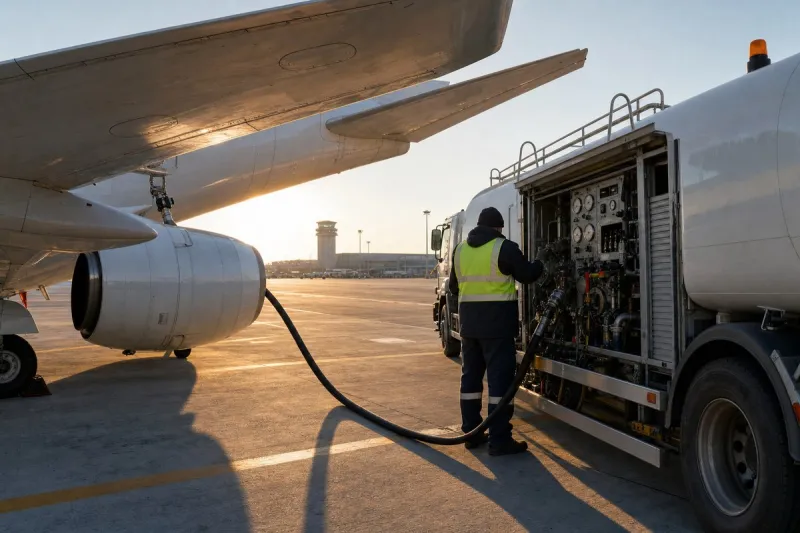
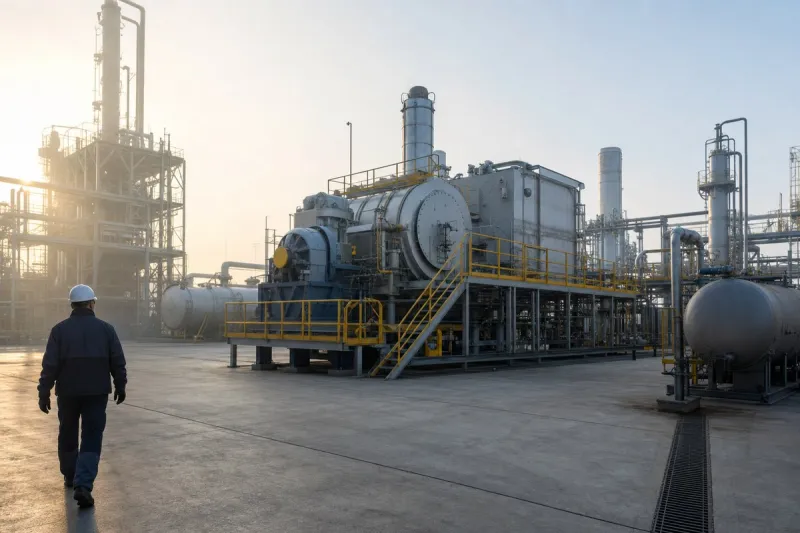
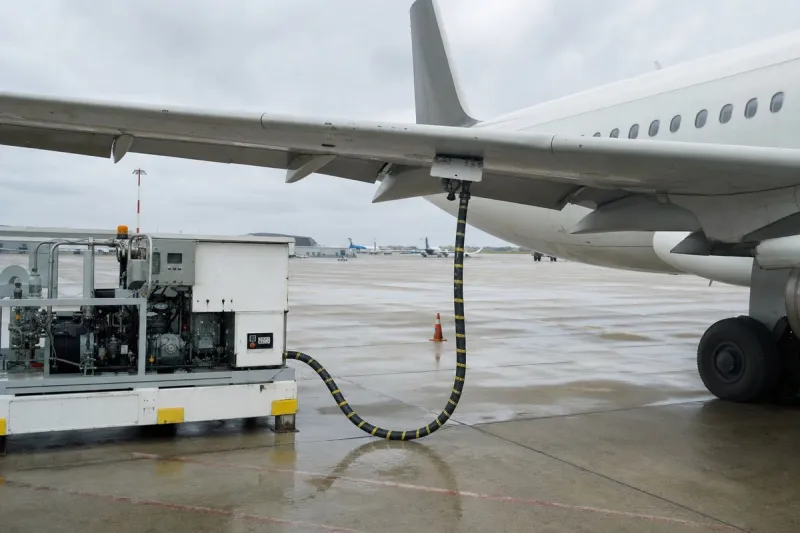
Industry estimates put the airport infrastructure investment needed for meaningful hydrogen aviation at $15-25 billion by 2040, with the preferred early deployment model focused on fixed regional corridors such as Scotland's island routes, Norwegian coastal hops, California commuter links, and New Zealand's domestic network, where a single supplied hub can fuel an entire out-and-back operation. The European Clean Hydrogen Partnership funds corridor pilot programmes along these lines. The supply chain includes fuel-cell stack makers PowerCell, Plug Power, and Toyota's aviation unit; cryogenic tank producers GKN Aerospace and Ariane Group; airport fuelling system suppliers Linde, Air Liquide, and Chart Industries; and electrolyser manufacturers Nel, ITM Power, and Thyssenkrupp Nucera. Against batteries and sustainable aviation fuel, hydrogen fuel-cell aviation is projected to cover 500-1,500 km on 2026 technology, filling the regional middle ground that batteries, with a practical range up to roughly 400 km, cannot reach and that SAF handles without range restriction but with continued CO2 emissions.