Gelion Completes APC-Funded ARMD4 Drone Battery Testing with QinetiQ Validation
Why It MattersIndependent validation of lithium-sulfur cathode chemistry under drone-representative power cycles signals a maturing path for lighter, higher-energy batteries in defence and commercial lightweight mobility.
What happened
Gelion plc has completed the Advanced Propulsion Centre UK-funded Advanced Route to Market Demonstrator 4 programme, titled "Advanced Li-S Battery for Mobile Applications," on time and within budget. Under the programme, Gelion's NES Cathode Active Material was incorporated into lithium-sulfur pouch cells that were independently built and evaluated by QinetiQ plc, the UK-headquartered defence, security and aerospace company.
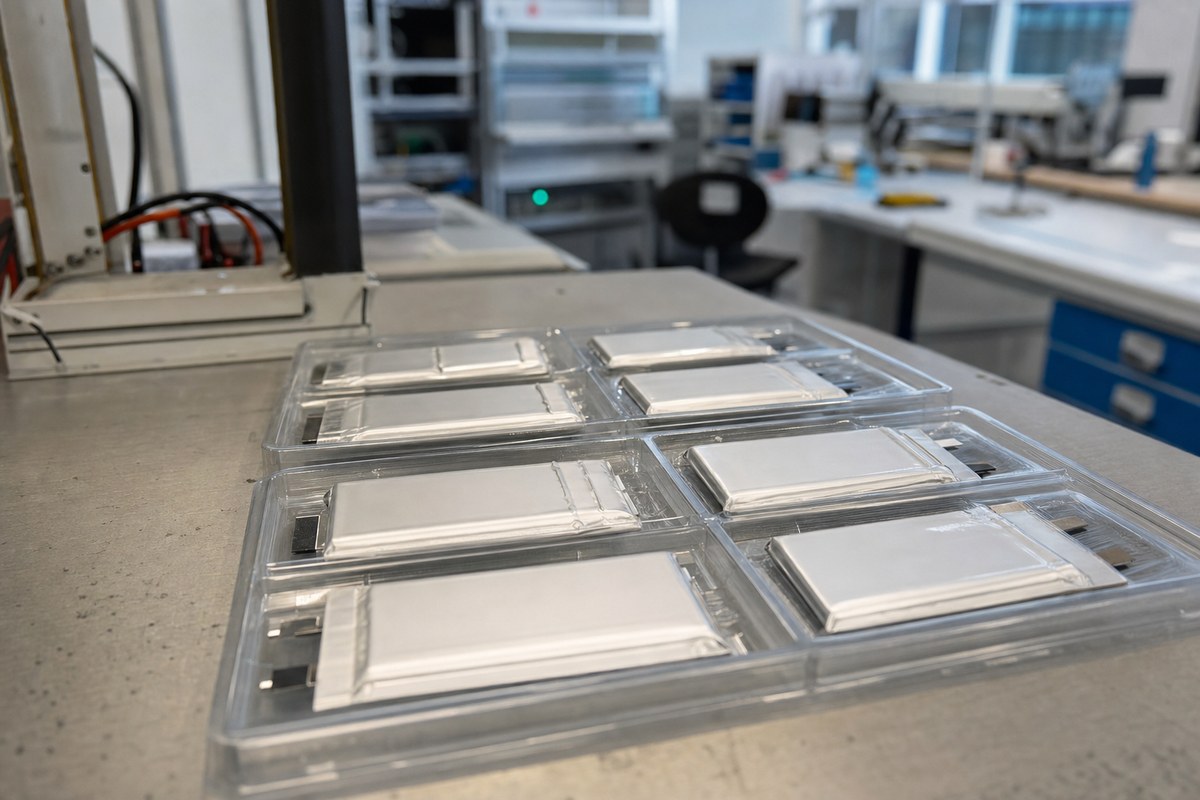
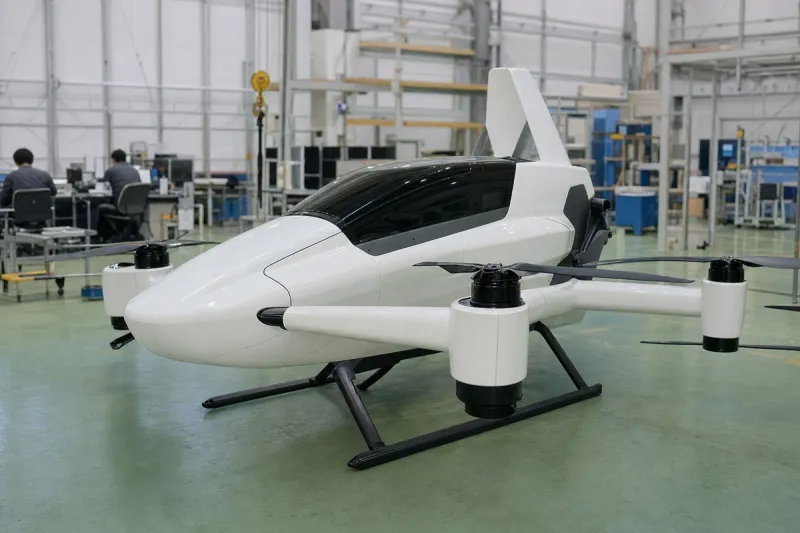
The cells completed representative drone mission profiles, including repeated high-power take-off and landing events. Testing showed stable operation over 200 cycles at 1C discharge, reproducible voltage-profile behaviour across multiple cells, strong continuous 3C high-power performance representative of quadcopter cruise operation, and successful completion of duty cycles incorporating repeated 6C pulses representative of vertical take-off and landing requirements. No evidence of significant polysulfide shuttle effects was found, a challenge historically associated with lithium-sulfur batteries. Separate pseudo-drone drive cycle testing showed consistent performance over 50 cycles, with voltage profiles remaining closely aligned through repeated high-power take-off, cruise and landing phases.
Gelion CEO Matt Wood said the programme completion "validates the performance of our cathode materials across the multiple and complex performance requirements of drones and other lightweight mobility applications, both for defence and commercial markets," adding that the company would discuss next steps with QinetiQ as it evaluates addressable markets for next-generation lightweight mobility. QinetiQ said the programme "demonstrated the performance of Gelion's lithium-sulfur technology under representative drone mission profiles and highlights its potential as a lightweight, high-power battery solution for demanding mobile applications."
Industry impact & what to watch
This result belongs to the broader push to move lithium-sulfur chemistry from laboratory curiosity to a qualified power source, since the chemistry's higher theoretical energy density has long been undercut by degradation modes like polysulfide shuttle. An independent test house confirming stable multi-cycle performance under pulsed high-power loads addresses the specific failure mode that has kept the technology out of demanding applications.
In battery and drone propulsion supply chains, third-party validation from a defence-sector specialist like QinetiQ functions as a credibility gate that opens conversations with propulsion integrators and platform makers who will not qualify a cell on a manufacturer's own data alone. Reaching that gate does not by itself secure a supply contract or a certified product; it moves the chemistry into the pool of options that potential customers can evaluate for specific missions.
What happens next will depend on what Gelion and QinetiQ disclose about their planned discussions on addressable markets, and on whether any named drone or lightweight mobility integrator commits to further testing or a development agreement using this cell design.