Flexjet's First Gulfstream G500 (N200FX) Toured at Boeing Field
Why It MattersFractional providers increasingly compete on cabin-management technology and dedicated-crew programs as much as on range or speed to differentiate otherwise similar heavy-jet cabins.
What happened
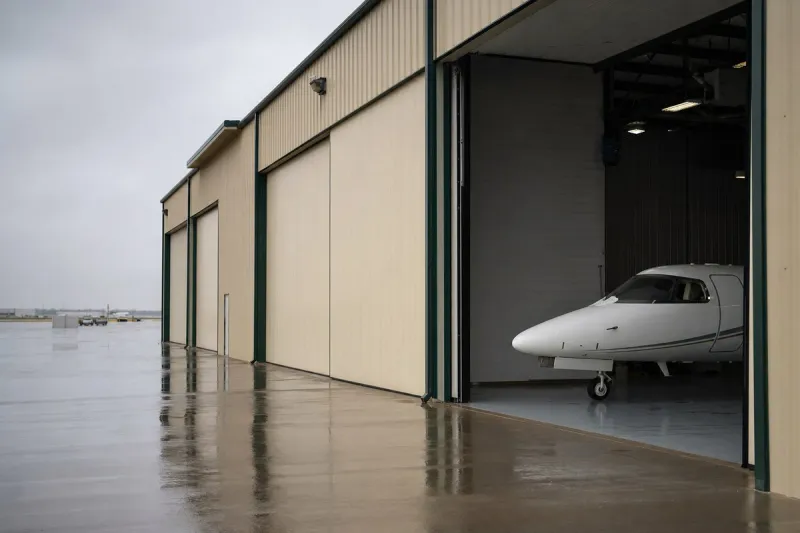
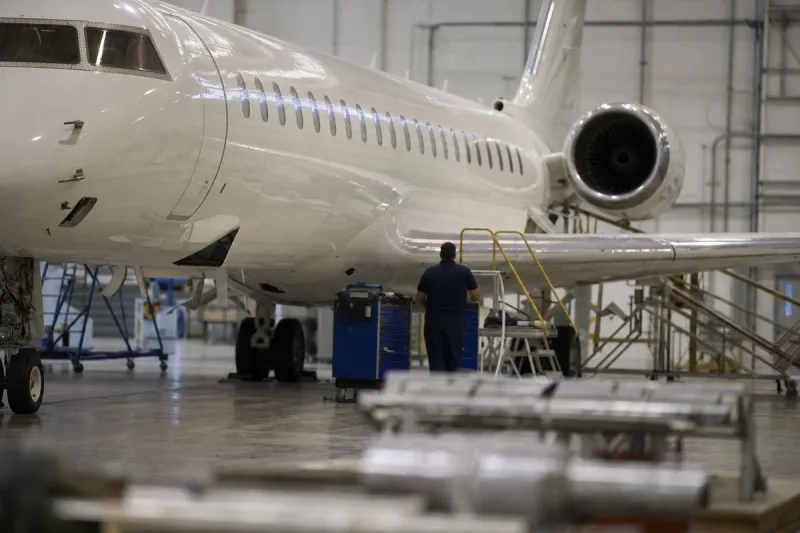
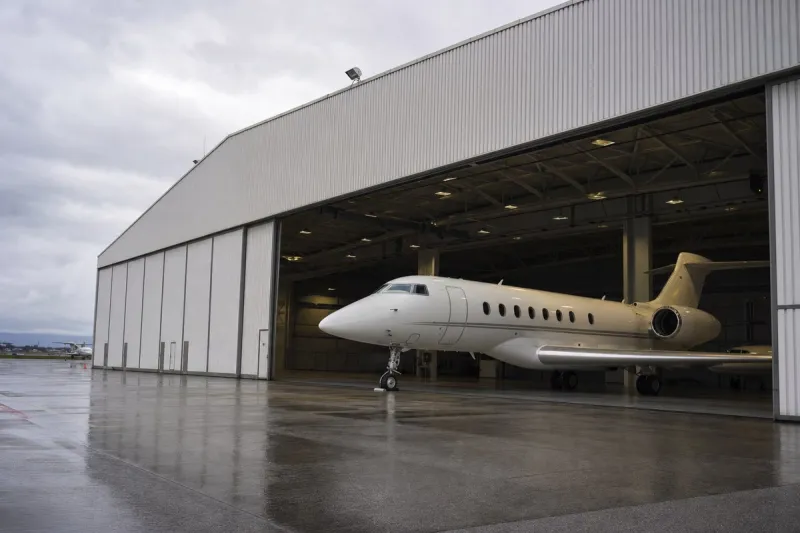
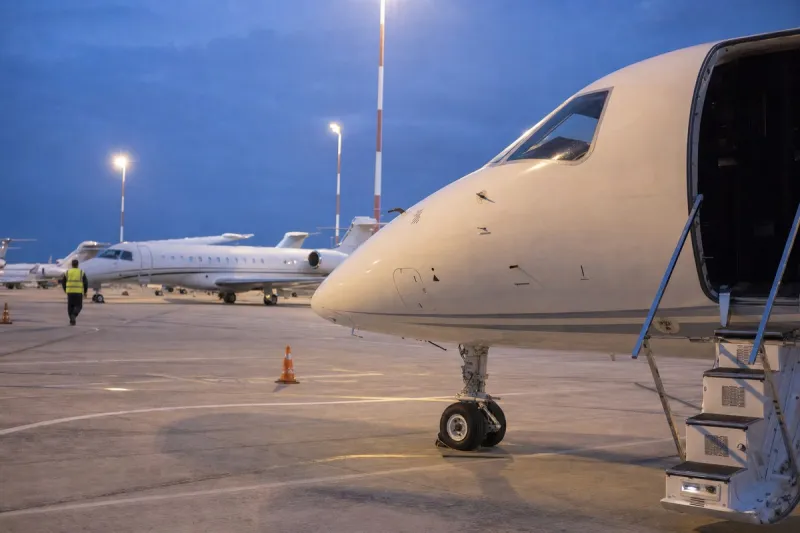
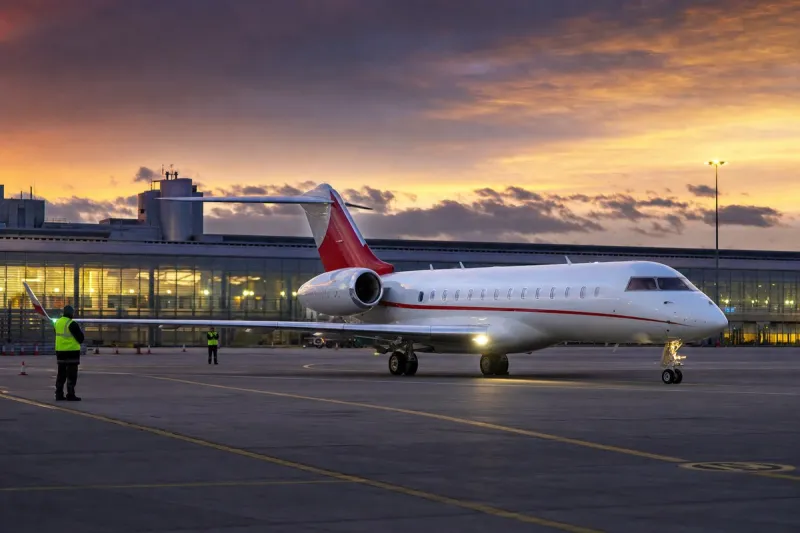
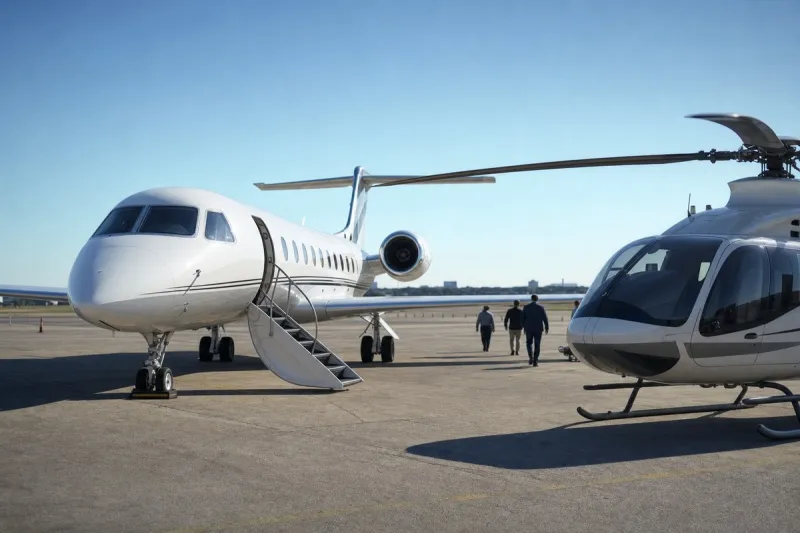
Flexjet's first Gulfstream G500, registered N200FX, was made available for a tour at King County International Airport (Boeing Field, KBFI) in Seattle, Washington. The aircraft is part of Flexjet's plan to replace its existing G450 fleet with G500s, all of which will be enrolled in the company's Red Label program, which features dedicated crew assignments to individual aircraft.
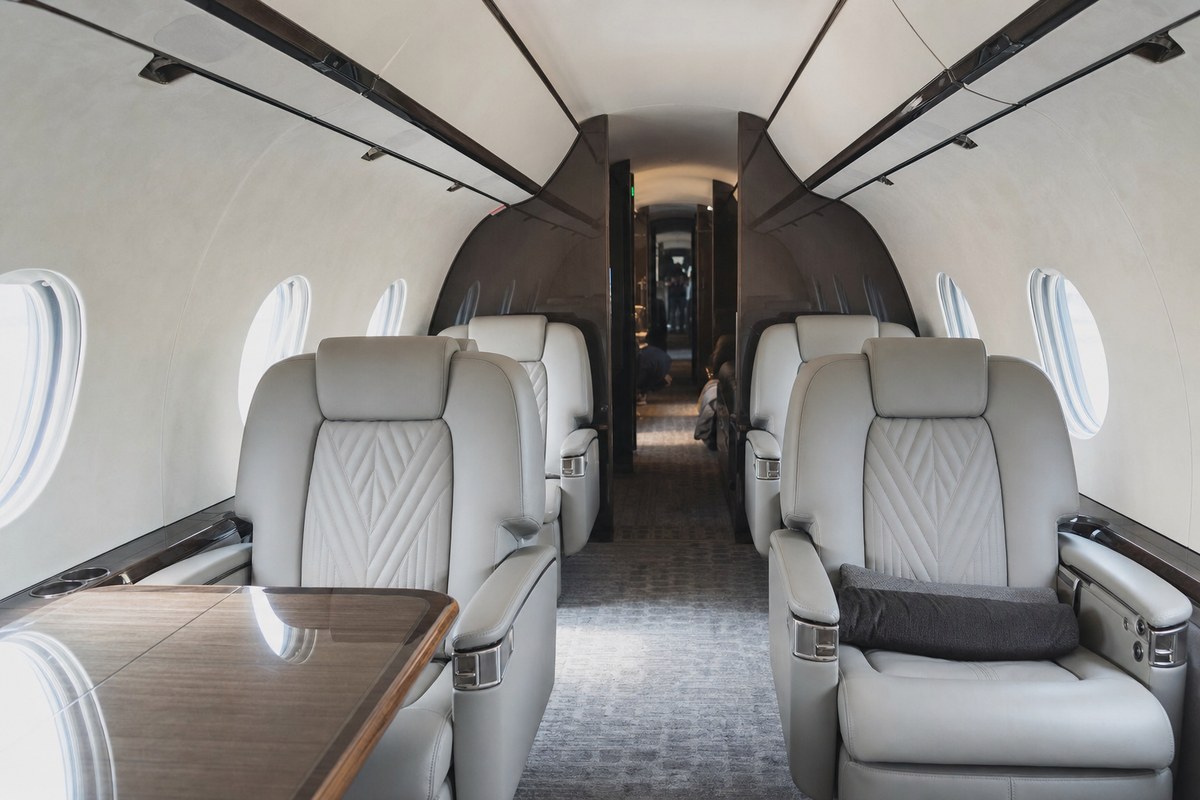
The G500 has a range of approximately 5,200 nautical miles and cruises at Mach 0.90. At a cruising altitude of 41,000 feet, the cabin maintains a pressurized altitude of only 3,255 feet, compared with the roughly 6,000-foot cabin altitude of a Boeing 787. The aircraft is equipped with side-stick controls, an all-glass flight deck with minimal physical buttons, and a tail camera displayed on the cockpit screens. The G500 is reported to have the best power-to-weight ratio in the Gulfstream fleet.
The passenger cabin is tall enough for a 6-foot-1-inch occupant to stand without touching the ceiling. Each window features two independently controlled shades, one for light filtering and one for full blackout, manageable via seat controls or the Gulfstream My Cabin app, which also controls cabin lighting and temperature by seat zone. Flexjet's livery incorporates a chameleon paint element that changes color depending on the angle of sunlight. Flexjet currently operates more than 340 aircraft, expects to surpass 400 aircraft by 2027, serves approximately 2,100 clients, and equips all its aircraft with Starlink internet.
Industry impact & what to watch
A fractional provider swapping an older heavy-cabin type for a newer one within the same manufacturer family shows how fleet renewal in this segment tends to run: replace like-for-like on mission capability while upgrading cabin systems and connectivity to a common standard across the fleet. Enrolling every new G500 in a branded crew program such as Red Label also signals that consistency of service, not just aircraft performance, is treated as a differentiator when several providers can offer a similar range and speed.
In fractional and jet-card operations, cabin technology, dedicated crew assignment and connectivity like Starlink increasingly shape how a program markets itself to owners and clients, since the underlying airframe specifications converge across large-cabin types. The pace and scale of the G450-to-G500 transition, and whether Flexjet's fleet count tracks toward its stated 400-aircraft target by 2027, will show how much of this renewal is completed versus still planned.