Airport planners urged to prioritise electrical capacity and land reservation over early commitment to single future fuel
Why It MattersAirport masterplanning is shifting from betting on a single future fuel toward treating airports as energy-network nodes, where flexible staging and reserved capacity outweigh early commitment.
What happened
Airport planners face a structural mismatch: infrastructure such as apron pavements, fuel hydrant systems, fuel farms, electrical substations and land allocations must remain serviceable for 30 to 40 years, well beyond the point at which the competition among future aviation fuels is likely to be settled.
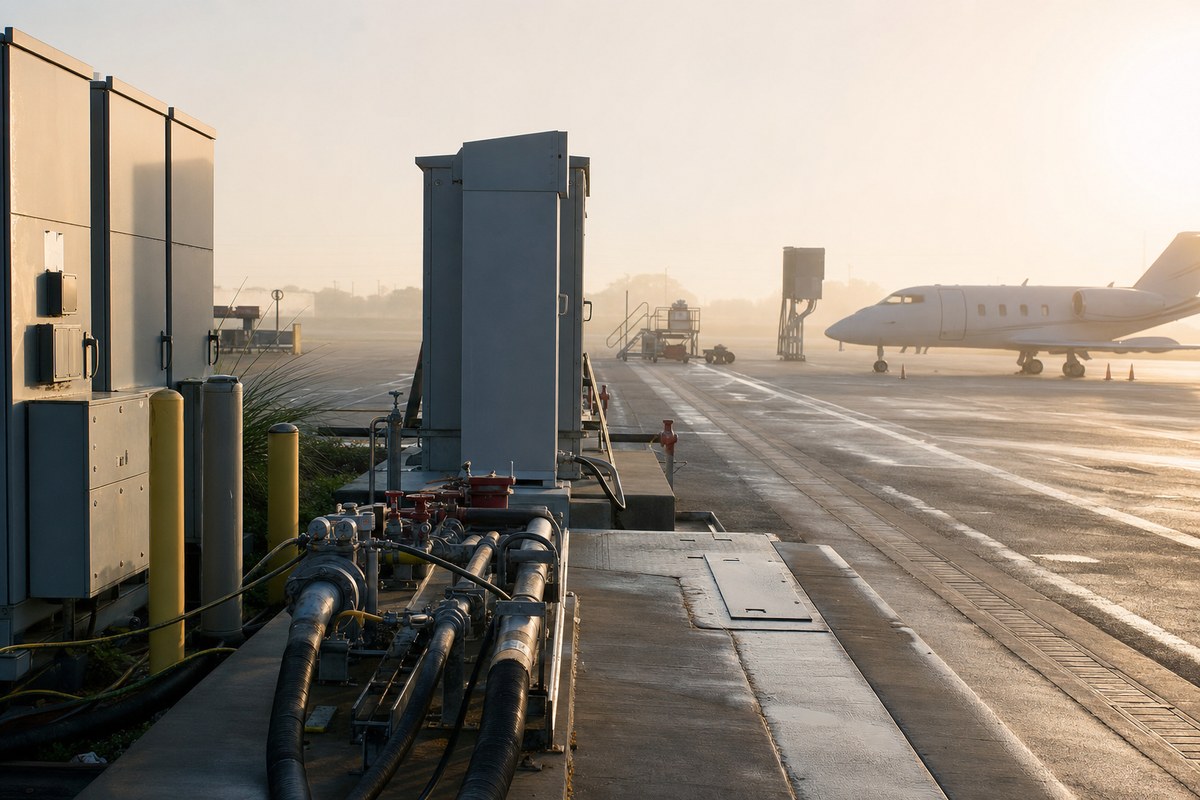
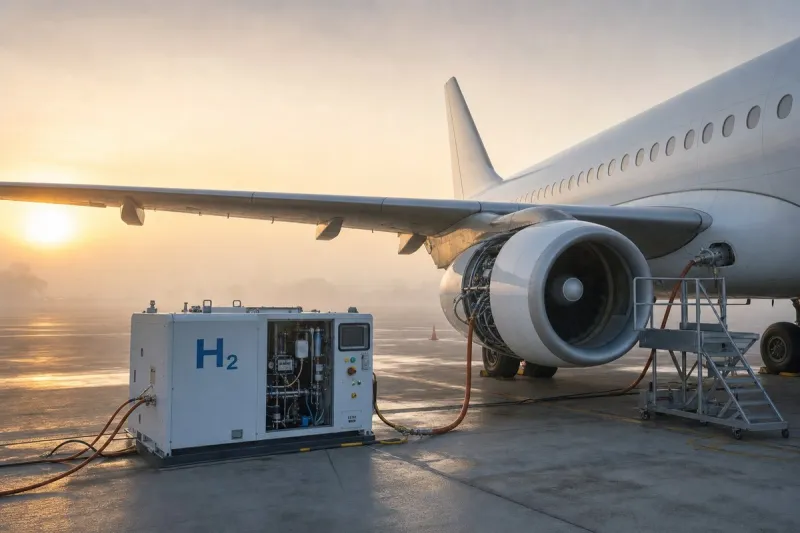
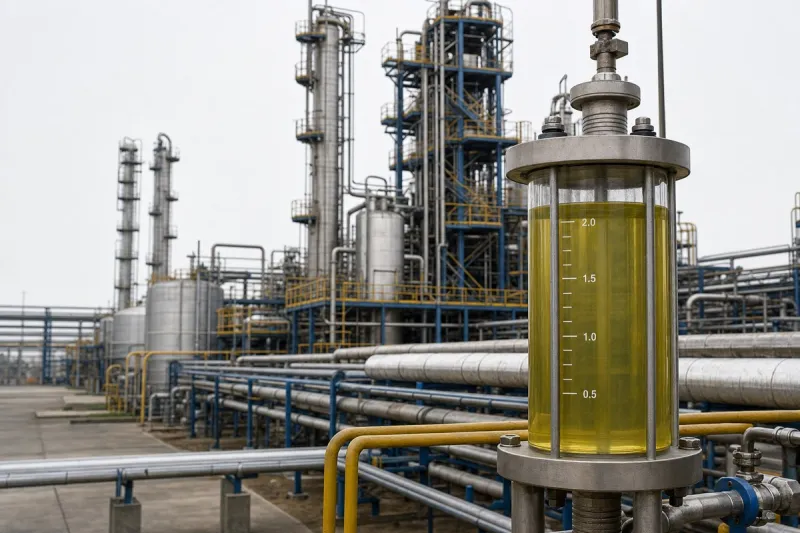
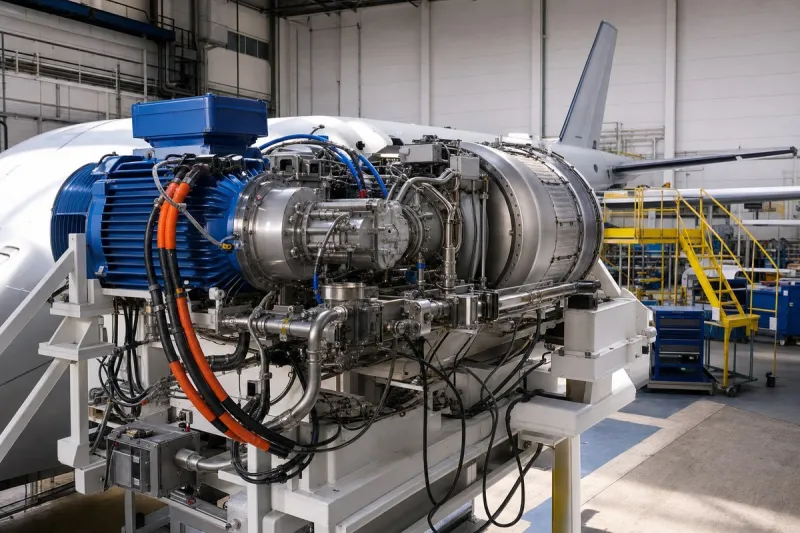
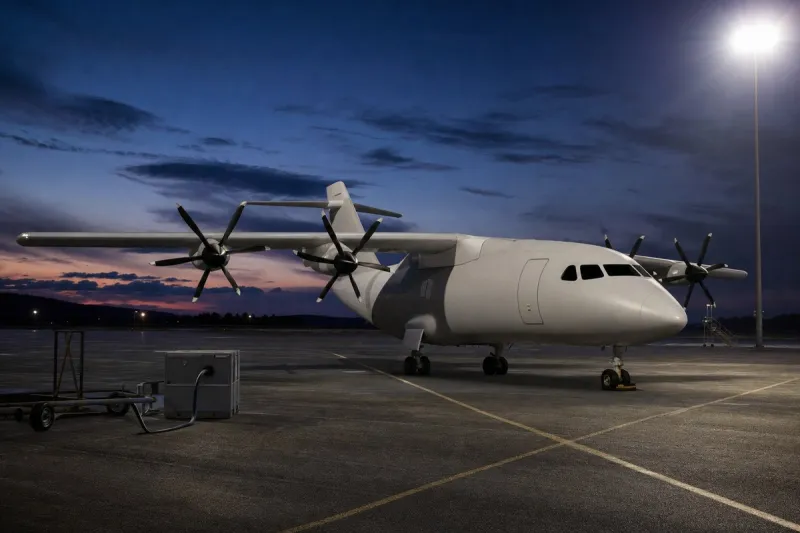
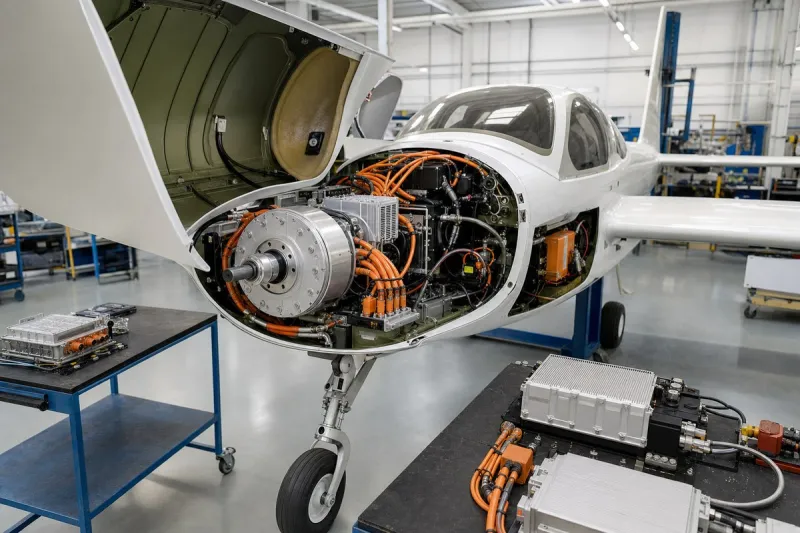
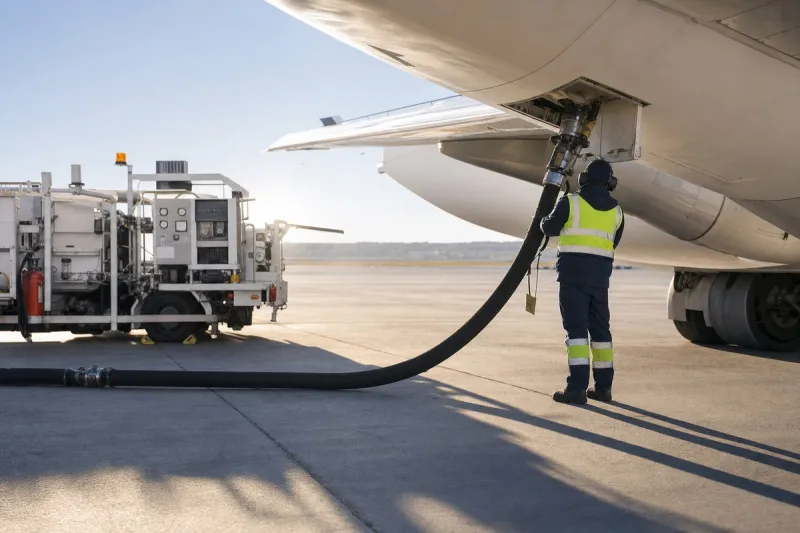
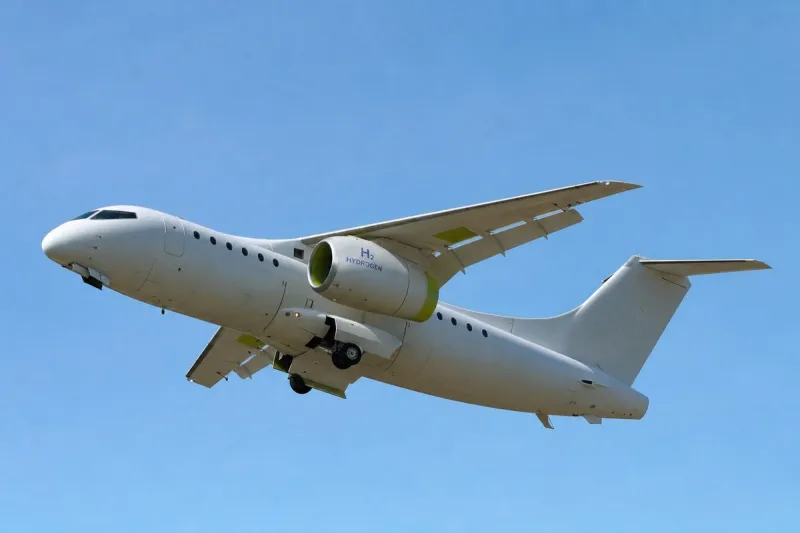
Three energy pathways are identified as reshaping planning on different timescales. Sustainable aviation fuel (SAF) is described as the near-term option, moving largely as a drop-in blend with conventional Jet A-1 through existing hydrant infrastructure — demonstrated when Singapore Airlines and Neste inducted blended SAF into Changi Airport's hydrant network in 2022 without civil-engineering changes, and when San Francisco International Airport moved SAF through its existing product pipeline rather than trucking it in. The EU's ReFuelEU Aviation mandate began at a 2% blending requirement in 2025. Hydrogen, by contrast, is cryogenic and volumetrically energy-sparse, incompatible with kerosene hydrant systems, and requires new storage facilities, new safety separation distances, new refuelling concepts, and new training and equipment for rescue and firefighting services; industry planning commentary states that infrastructure requirements for hydrogen aircraft turnarounds remain undefined. Electrification is already affecting apron operations through ground support equipment electrification, with regional electric and hybrid aircraft potentially requiring megawatt-scale charging at stands.
ACI World and the World Economic Forum have characterised airports in the energy transition as nodes on an energy network first and places to catch a flight second. Planning guidance drawn from analysis of mature European and North American hubs alongside greenfield developments in Southeast Asia and the Middle East centres on safeguarding land and utility corridors early, staging hard assets so each phase remains independently viable, pursuing no-regret investments in grid headroom, on-site generation and storage and digital energy-system monitoring, and involving airline partners in regular reviews. The analysis is authored by Thomas Romig, Chief Airport Operations Officer for Masterise Group in Vietnam, where he leads operational readiness and transition planning for a new greenfield airport in Hanoi.
Industry impact & what to watch
This analysis places airport capital planning inside a broader pattern seen across infrastructure sectors facing simultaneous technology transitions: when the winning technology is not yet known, the safest capital commitment is to the shared enabling layer — land, grid capacity, utility corridors — rather than to any single end-state fuel or propulsion system.
The underlying mechanism is that electricity, unlike SAF or hydrogen, is a common input across all three pathways: SAF still requires production and blending infrastructure, hydrogen requires entirely new handling systems, but electrification of ground equipment and the prospect of megawatt-scale aircraft charging draw on the same grid that every other electrifying industry is also drawing on. That makes electrical capacity the binding constraint regardless of which fuel pathway ultimately dominates, which is why the guidance favors staged, independently-viable phases over early commitment to one outcome.
Greenfield programmes such as the Hanoi project Romig is working on hold a structural advantage here, since land reservations and electrical spine sizing can be embedded in a masterplan before stands are committed — a flexibility that mature, congested hubs cannot retrofit as cheaply. What will indicate whether this guidance is being followed in practice is whether upcoming greenfield masterplans in Southeast Asia and the Middle East show visible land and utility corridor reservations ahead of firm fuel-mix commitments, and whether airline partners are named as participants in the recurring reviews the guidance calls for.