Amendment to Aviation Safety Bill Could Block ADS-B Data Use for Tax Enforcement, Risking Millions in State Revenue
Why It MattersRestricting ADS-B use for revenue purposes could weaken one of the few practical tools regulators have to detect out-of-state aircraft registration used to avoid property and landing fees.
What happened
A late-added amendment to the House-passed ALERT Act would prohibit using aircraft transponder data — specifically Automatic Dependent Surveillance–Broadcast (ADS-B) data — to identify an aircraft "for the purpose of obtaining revenue from the owner or operator" without permission. The provision would bar airports from using ADS-B data to collect landing fees and would block state and local governments from using the data for tax enforcement.
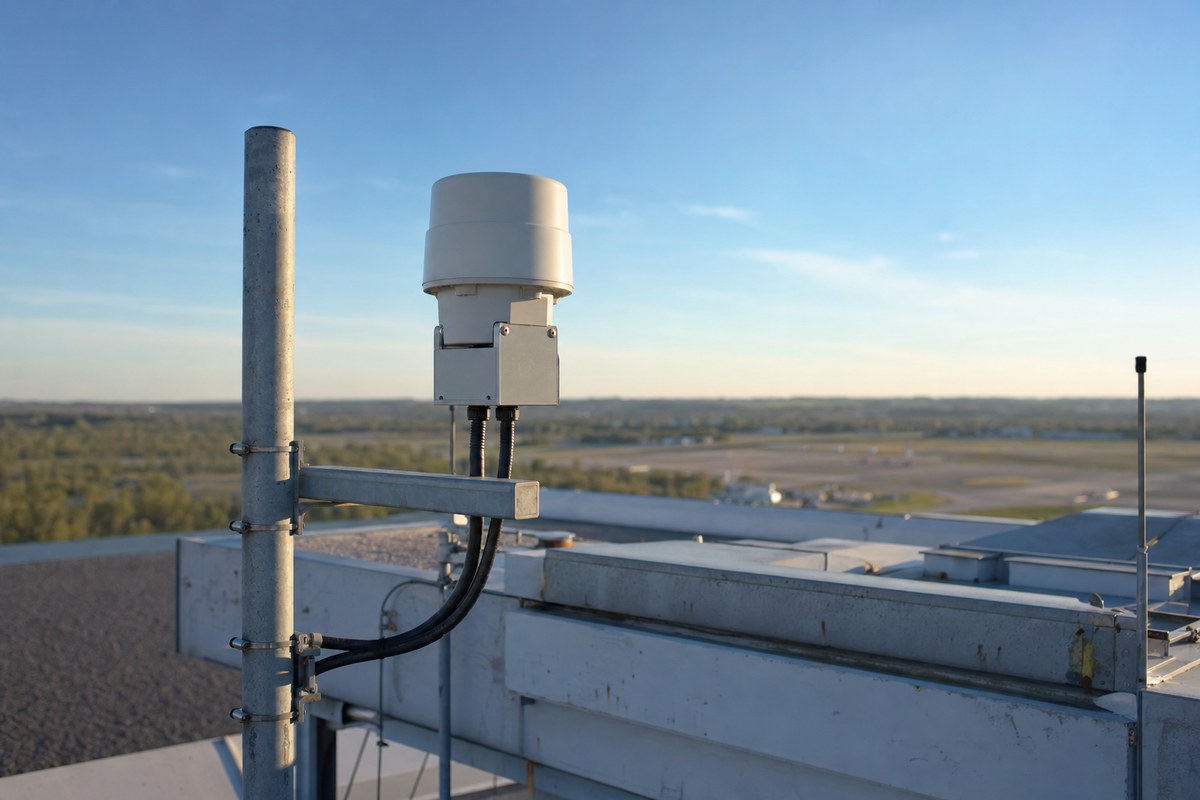
Jim Coon, senior vice president of government affairs and advocacy at the Aircraft Owners and Pilots Association, said the measure prevents misuse of a safety tool designed to prevent mid-air collisions. Coon stated that airports and tax authorities "can still collect fees, they just wouldn't be able to use an aircraft collision avoidance device to do so."
In Texas, some aircraft owners avoid property taxes by registering their planes in other states, often Montana, and ADS-B data is one of the few tools available to state and local governments to detect such evasion. If the U.S. Senate approves the amendment, Texas alone could lose up to $70.2 million in annual tax revenue, according to publicly available tax rolls, at a time when multiple counties are pursuing millions of dollars from delinquent aircraft owners. The bipartisan ALERT Act was introduced in February 2025 as a direct response to the January 29, 2025 midair collision between a U.S. Army helicopter and an American Airlines flight near Ronald Reagan Washington National Airport (DCA), which killed all 67 people aboard both aircraft.
Industry impact & what to watch
The dispute sits at the intersection of two uses for the same surveillance signal: ADS-B was mandated as a collision-avoidance and traffic-management tool, and its data has since become a byproduct source for airports and tax assessors trying to identify aircraft movements they otherwise could not track. Restricting one use case without replacing the underlying enforcement mechanism leaves airports and local tax authorities searching for an alternative way to identify aircraft that land or are based in their jurisdiction.
Property-tax enforcement on aircraft depends heavily on being able to match a physical aircraft location to an owner of record, and out-of-state registration in jurisdictions such as Montana has long been used to reduce that exposure. ADS-B tracking became attractive to tax authorities precisely because it is passive and near-universal for aircraft operating in controlled airspace, unlike voluntary self-reporting.
The amendment's fate now rests with the Senate, which has not yet acted on the House-passed bill. Whether counties in Texas and elsewhere retain any practical means of detecting registration-based tax avoidance will depend on what enforcement language, if any, survives Senate deliberation or a conference process.