SkyDrive, Air India, and Suzuki to Evaluate eVTOL Medical Logistics Routes in India
Why It MatterseVTOL developers are increasingly pairing with local carriers and industrial partners to test time-critical logistics niches before certification, using named use cases to justify regulatory engagement ahead of commercial service.
What happened
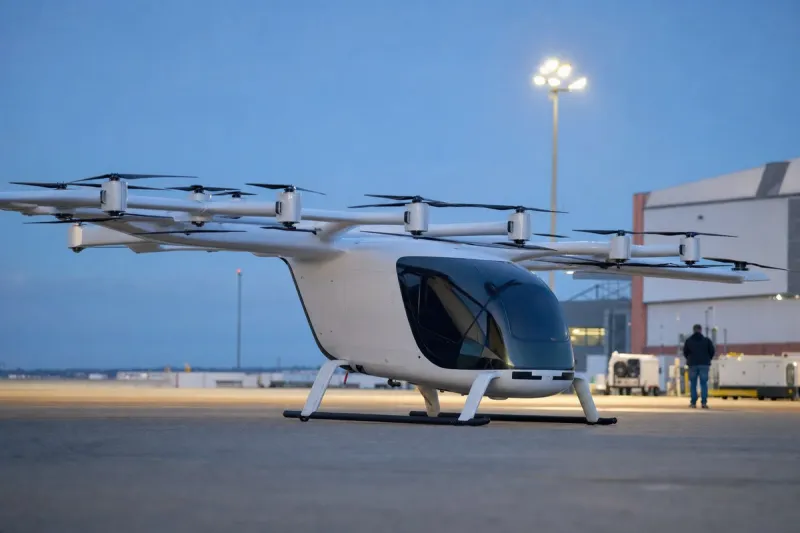
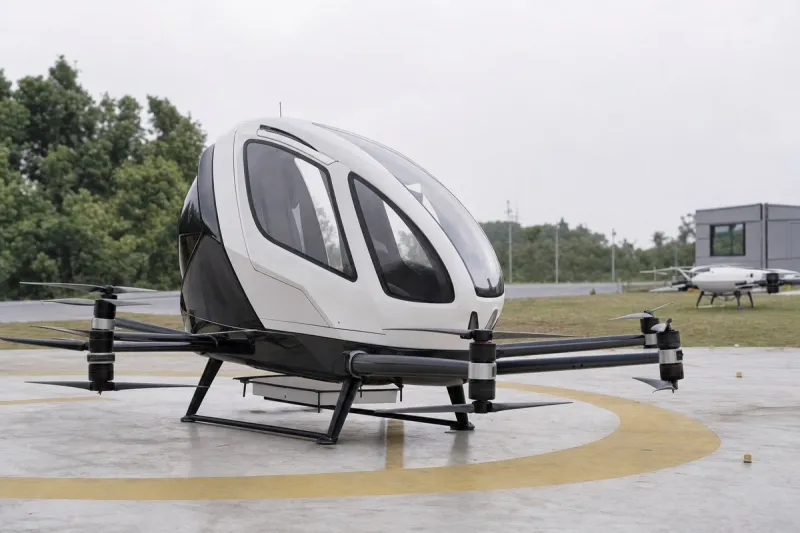
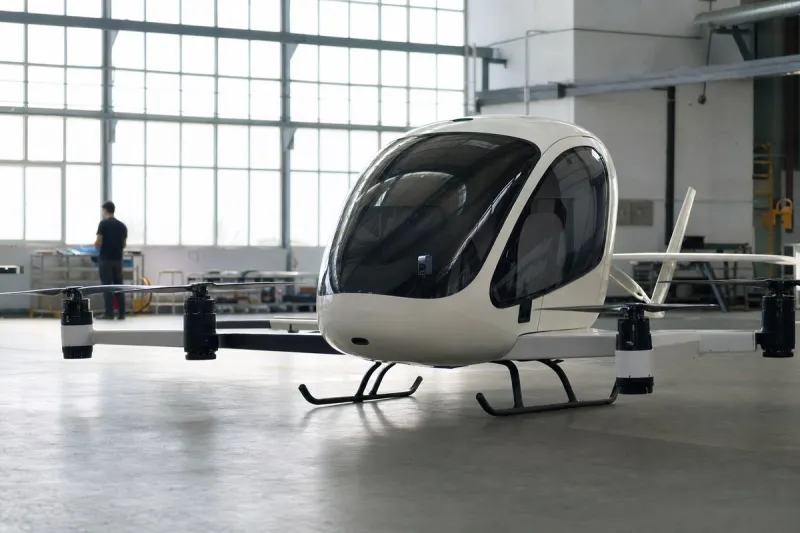
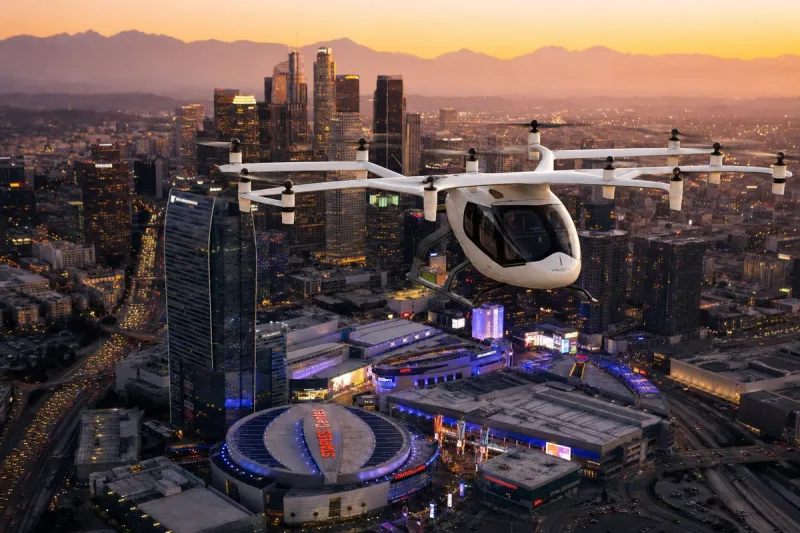
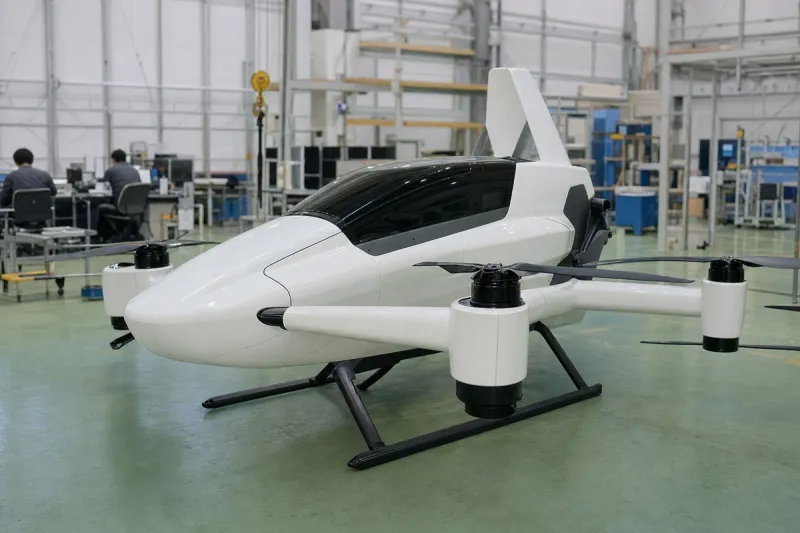
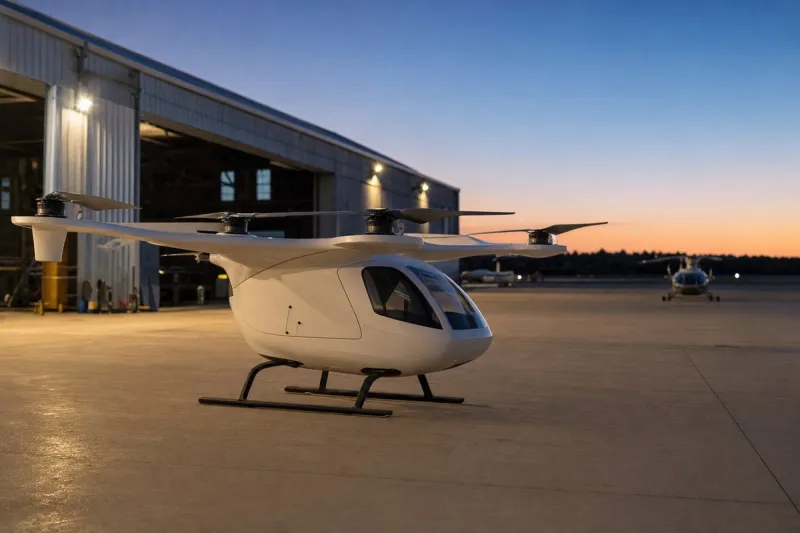
SkyDrive Inc. announced on August 25, 2026, that it will begin evaluating initial operational routes for eVTOL medical logistics services in India, working with Air India and Suzuki Motor Corporation. The effort follows a Memorandum of Understanding signed by the three organizations on July 31, 2026, to jointly study the feasibility of such operations.
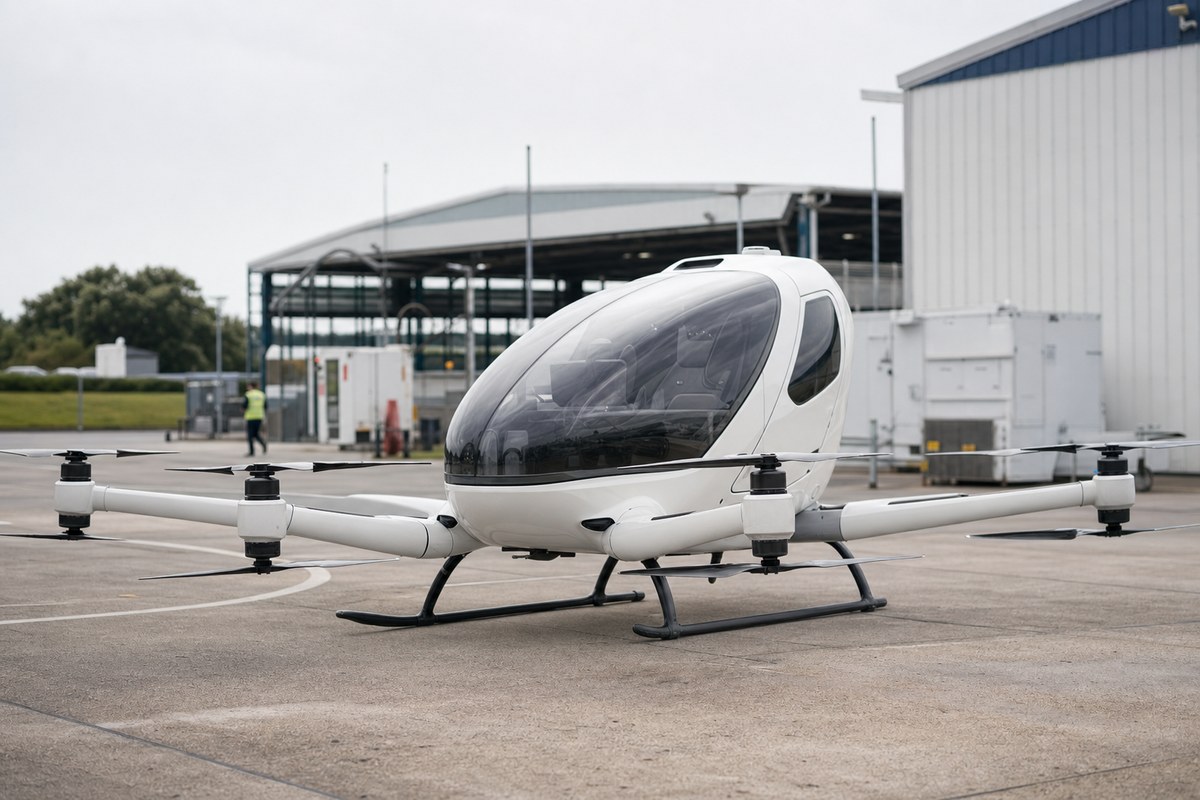
The program targets three use cases. The first covers emergency transport of radioactive isotopes used in cancer diagnostics and treatment from a manufacturing plant in Mumbai to nearby major general hospitals, aiming to bypass road traffic given the pharmaceuticals' short half-life. The second covers emergency medical and organ transport within the Delhi National Capital Region, assessing whether eVTOLs can cut inter-hospital transport times from the current 30 to 90 minutes by ambulance down to 10 to 15 minutes, citing chronic traffic congestion as an obstacle to transplant surgeries and emergency care. The third covers aircraft parts transport between parts collection hubs and maintenance bases near Delhi Indira Gandhi International Airport and airport terminals and maintenance areas, addressing Aircraft on Ground situations caused by urban gridlock delaying part deliveries during maintenance.
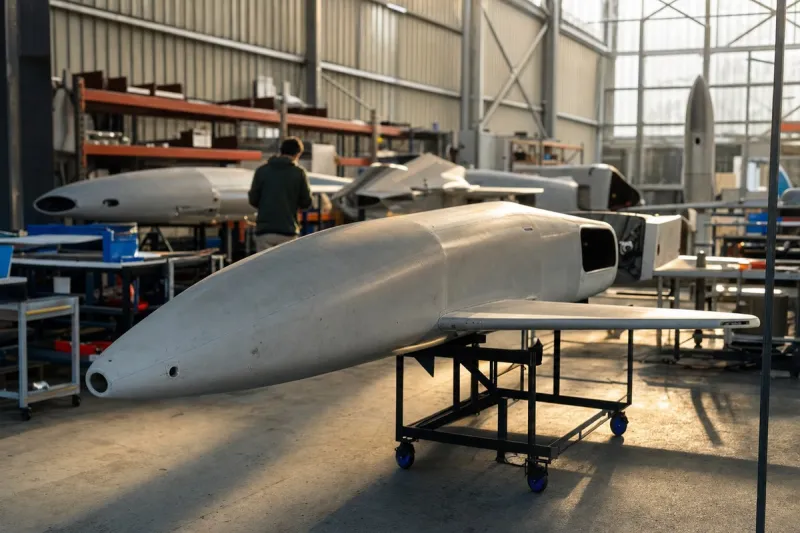
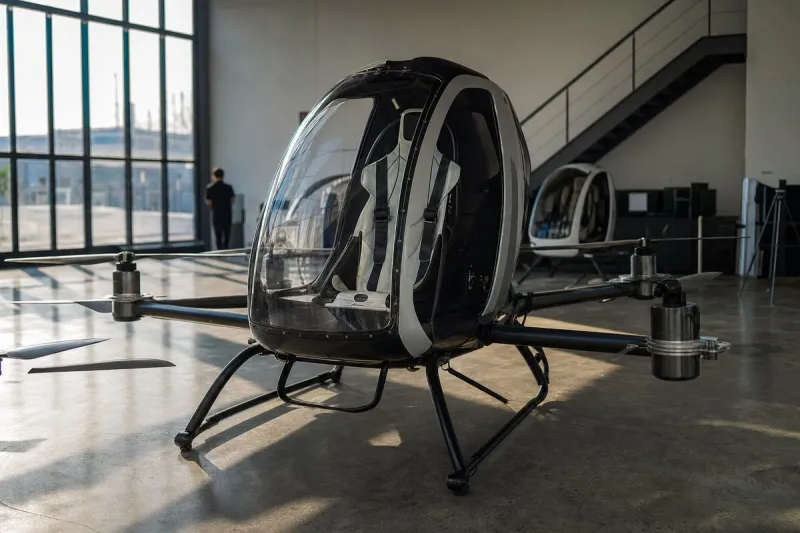
All future operations arising from the joint study will be conducted in coordination with relevant government and regulatory authorities and subject to necessary approvals. SkyDrive is headquartered in Toyota, Aichi Prefecture, and led by CEO Tomohiro Fukuzawa. The company began testing eVTOL prototypes in 2014, was formally incorporated in 2018, conducted demonstration flights of its SKYDRIVE aircraft at the Osaka Expo in 2025, and began production of the aircraft in March 2024 at a Suzuki Motor Corporation plant. SkyDrive is working with civil aviation authorities in Japan and the United States toward certification, with a target service launch in 2028.
Industry impact & what to watch
This partnership fits into a broader push by eVTOL developers to anchor early commercial plans in narrow, high-urgency logistics niches rather than general passenger transport, since time-critical medical cargo and AOG parts delivery can justify premium pricing and regulatory priority before wider certification is complete.
Medical and industrial logistics routes work differently from passenger air taxi services: the value proposition rests on comparing point-to-point air transport times against known ground transport baselines, as in the Delhi NCR case where ambulance transfer times of 30 to 90 minutes are the benchmark eVTOLs would need to beat. Aircraft parts transport near Delhi Indira Gandhi International Airport represents a similar logic applied to maintenance operations rather than patient care.
What happens next depends on how quickly government and regulatory authorities in India engage with the joint study, since SkyDrive's own certification work in Japan and the United States is targeting a 2028 service launch and any Indian operations would need to align with that timeline or a separate approval path.