Syria's aviation sector rebounds with new airline routes, fleet deal, and surge in overflights
Why It MattersAirspace once avoided for years can become a routine transit corridor once sanctions ease and a war-driven fee incentive gives carriers a reason to test it.
What happened
Syria's aviation sector has been recovering since the fall of Bashar al-Assad's government in late 2024, with diplomatic changes, new airline agreements, and a rise in overflight traffic linked to the US-Iran war. Turkish Transport Minister Abdulkadir Uraloglu said Turkey supplied new radar and navigation systems to Syrian airports in 2025, and the European Union lifted sanctions on Syria, including those on national carrier Syrian Airlines, in February 2025.
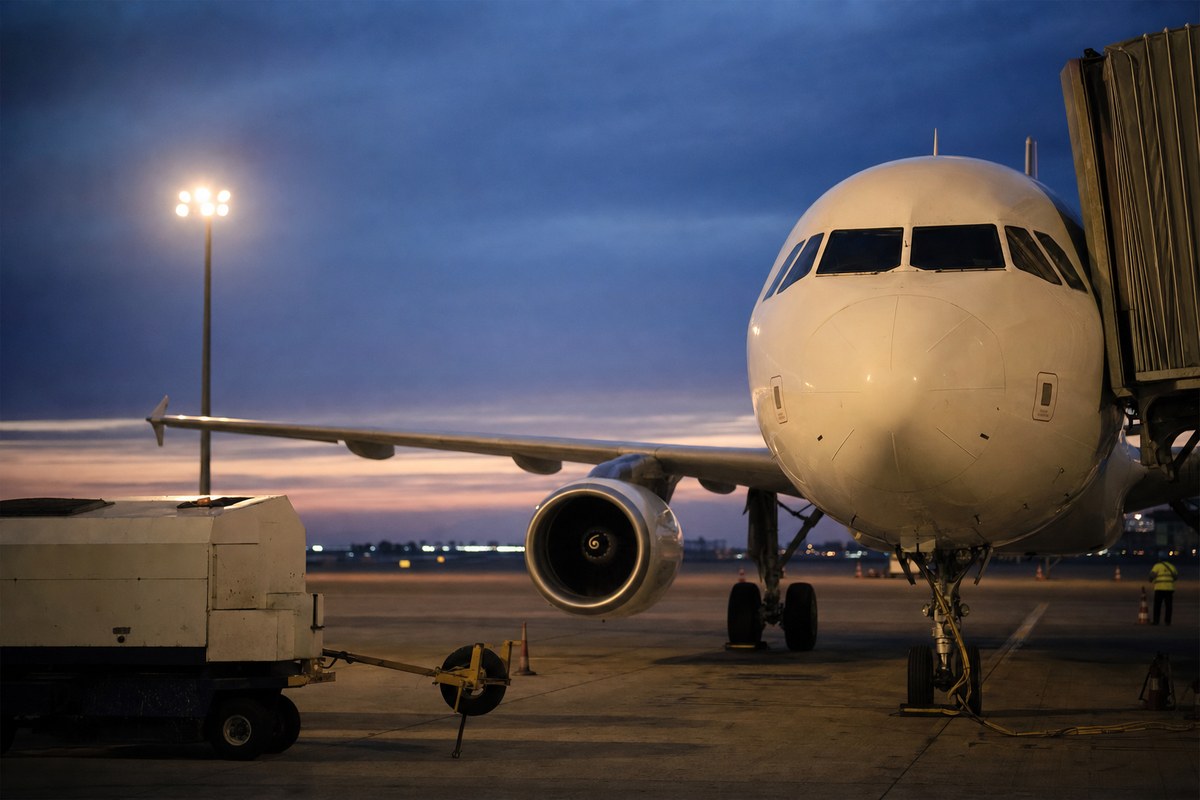
Syrian Airlines signed a $250 million agreement in August 2025 to acquire 10 Airbus A320 jets. The carrier returned to scheduled international operations on January 20, starting with a weekly Damascus–Medina flight that resumed on August 11 after a war-related suspension. On July 9, Syrian Airlines relaunched a weekly Damascus–Amsterdam service, now operating three times weekly, and also flies to Moscow and Gulf destinations, with Copenhagen planned. The Iran war, which began on February 28, pushed airlines to consider transiting Syrian airspace instead of neighboring countries; Syria imposed a flat $499 fee on all transiting flights around that time.
Even after a US-Iran ceasefire was signed in April, airlines kept using Syrian airspace for fuel and time savings on Europe–Gulf routes to Dubai, Abu Dhabi, and Doha, with Flightradar24 and AirNav confirming this preference as late as June. In May, Syrian Civil Aviation Authority chief Omar al-Hosari said twelve airlines had resumed flights to Syria. Carriers flying to Damascus included Syrian Airlines, Turkish Airlines, flydubai, Royal Jordanian, Air Arabia, flynas, Qatar Airways, Jazeera Airways, and AJet, while Syrian Airlines, Turkish Airlines, Fly Cham, Royal Jordanian, Dan Air, and AJet resumed service to Aleppo. OPSGroup noted that Syrian airspace remains risky and that overall air traffic levels are still below half of pre-civil-war figures. Hosari told Reuters the developments "reflect the beginning of a real shift in how airlines view Syrian airspace, as a viable and dependable route once again within the regional air traffic network."
How it unfolded
The Damascus–Medina route resumed after a war-related suspension.
Syrian Airlines signed a $250 million agreement to acquire 10 Airbus A320 jets.
Syrian Airlines relaunched a weekly Damascus–Amsterdam flight.
Flightradar24 and AirNav confirmed airlines' continued preference for transiting Syrian airspace.
Syrian Civil Aviation Authority chief Omar al-Hosari reported that twelve airlines had resumed flights to Syria.
A US-Iran ceasefire was signed, but airlines continued using Syrian airspace for fuel and time savings.
Syrian Airlines returned to scheduled international operations with a weekly Damascus–Medina flight.
The Iran war began, prompting airlines to weigh transiting Syrian airspace instead of neighboring countries; Syria imposed a flat $499 transit fee around this time.
The European Union lifted sanctions on Syria, including those on Syrian Airlines.
Industry impact & what to watch
This case shows how a conflict-driven detour can outlast the conflict itself: airlines that first crossed Syrian airspace to avoid the Iran war kept doing so after the ceasefire because the fuel and time savings on Europe–Gulf routes stood on their own. A flat transit fee, sanctions relief, and new ground infrastructure from Turkey combined to turn a corridor once avoided into one carriers now weigh against neighboring alternatives.
Fleet renewal and route expansion at Syrian Airlines depend on the same conditions that opened the airspace — continued sanctions relief and diplomatic normalization — so a reversal on either front would slow both the airline's own growth and the broader return of transiting traffic. OPSGroup's risk assessment and the finding that traffic remains below half of pre-war levels mark the limits of the recovery so far.
Whether the twelve airlines flying to Damascus and Aleppo keep or expand those routes, and whether more European carriers follow Amsterdam's example, will show if Hosari's description of a lasting shift holds up against the airspace-risk concerns OPSGroup has flagged.