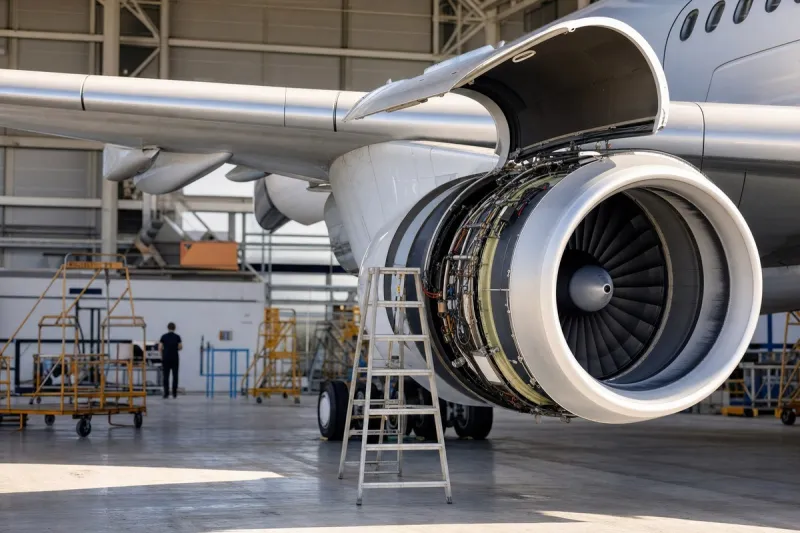
Nova Pangaea seeks £30m after completing SAF trials in Teesside
Why It MattersEarly-stage SAF technology still depends on external capital and government grants to bridge the gap between pilot-scale trials and commercial-scale production plants.
What happened
Nova Pangaea Technologies is seeking £30 million in new capital following the completion of sustainable aviation fuel trials at its Teesside facility. The funds are intended to finalise the engineering design of a full commercial plant and to continue further trials.
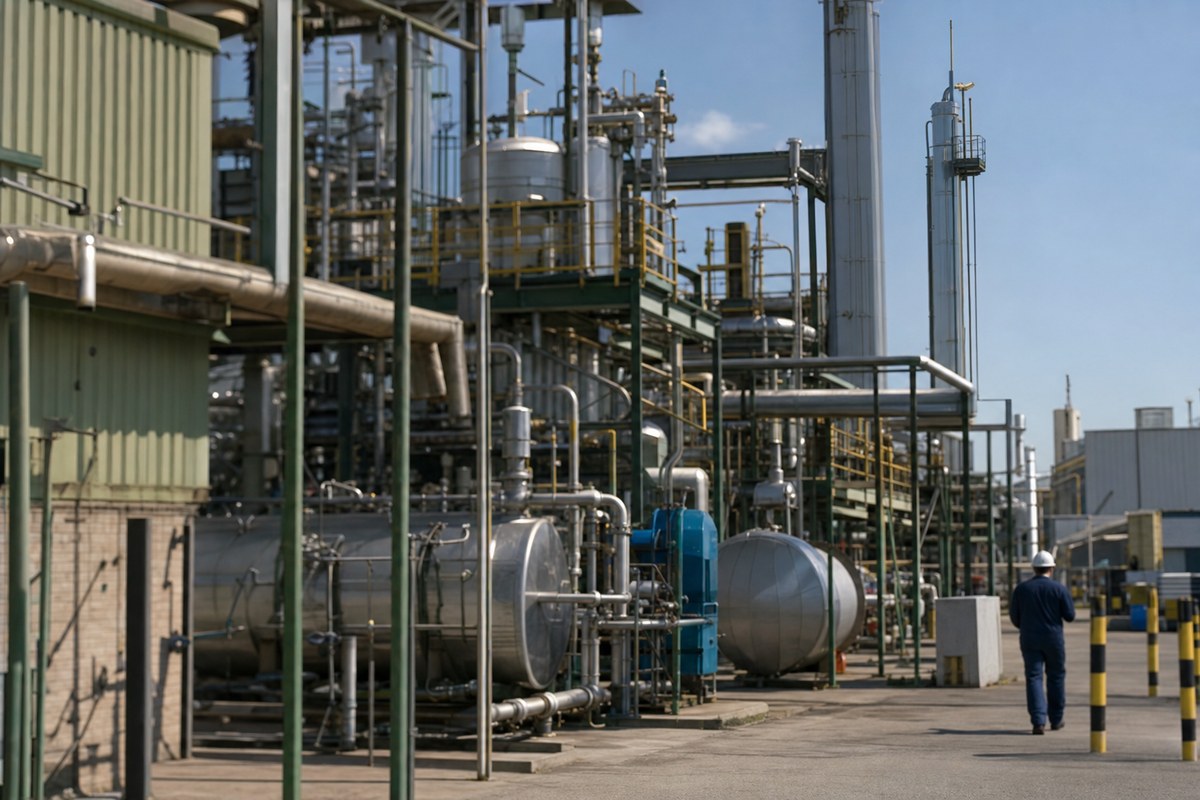
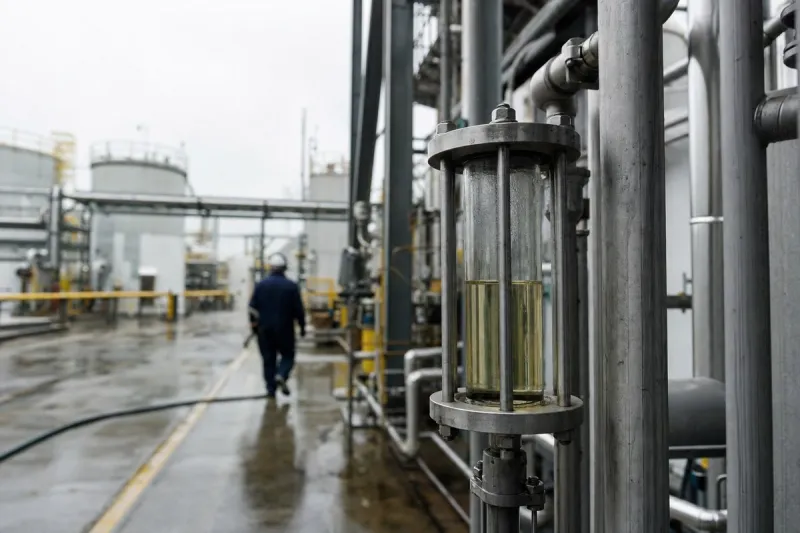
During the trials, the company achieved continuous stable operation in production runs of up to 72 hours and recorded above-target yields, processing up to three tonnes of feedstock per day using softwood residues from timber processing. The latest results build on smaller-scale trials conducted in early 2025 that first demonstrated the viability of the process outside a laboratory environment. Additional trials are planned for next year to fine-tune the design of the first commercial-scale plant.
Nova Pangaea's process converts waste biomass and residues — including wood chips, sawdust and wheat straw — into ethanol, which can be used to produce SAF and renewable diesel. The process also generates biochar as a co-product, which permanently sequesters carbon, making the overall process carbon negative. The company is a partner in Project Speedbird alongside British Airways and LanzaJet, an initiative aimed at developing carbon-negative aviation fuel from local waste biomass, and under that project plans to construct four UK facilities to produce bioethanol for upgrading to SAF, with the first at the Wilton Centre in Redcar. Chief executive Stewart Stewart said the trials had "validated our technology and should further underpin the confidence of investors on our journey towards building our first commercial plant." Nova Pangaea has raised more than £21 million to date from investors including International Airlines Group, PXN Ventures, Mercia Ventures and the first Northern Powerhouse Investment Fund, as well as UK government grant funding awarded under the Advanced Fuels Fund competition.
Industry impact & what to watch
This case belongs to a familiar stage in SAF development, where a technology has proven itself in pilot runs but still needs a much larger capital injection to reach commercial scale. Feedstock-to-fuel pathways like Nova Pangaea's depend on a chain of successively larger trials, each one meant to de-risk the next round of investment before a full plant is built.
The segment's economics hinge on blending mandates that force demand regardless of current supply: UK and EU rules require airlines to raise the SAF share of their fuel from 2% today toward 70% by 2050, which creates a market for producers still years from their first commercial facility. That mandate curve is what investors are being asked to underwrite alongside the technology itself.
The next markers will be whether the £30 million round closes, how the additional trials planned for next year perform, and whether construction actually begins on the first Project Speedbird facility at the Wilton Centre in Redcar.