EHang Posts 203.5% Sequential Revenue Growth in Q2 2026, Withdraws Full-Year Guidance Amid Regulatory Uncertainty
Why It MattersRegulatory uncertainty following safety incidents in China can override sequential delivery gains, showing eVTOL revenue visibility still depends on shifting domestic approval conditions rather than demand alone.
What happened
EHang Holdings Limited reported unaudited financial results for the second quarter ended June 30, 2026, with total revenues of RMB 77.9 million (approximately US$11.5 million), a 203.5% increase quarter-over-quarter from RMB 25.7 million in Q1 2026. Year-over-year, revenues declined 31.3% from RMB 113.3 million in Q2 2025.
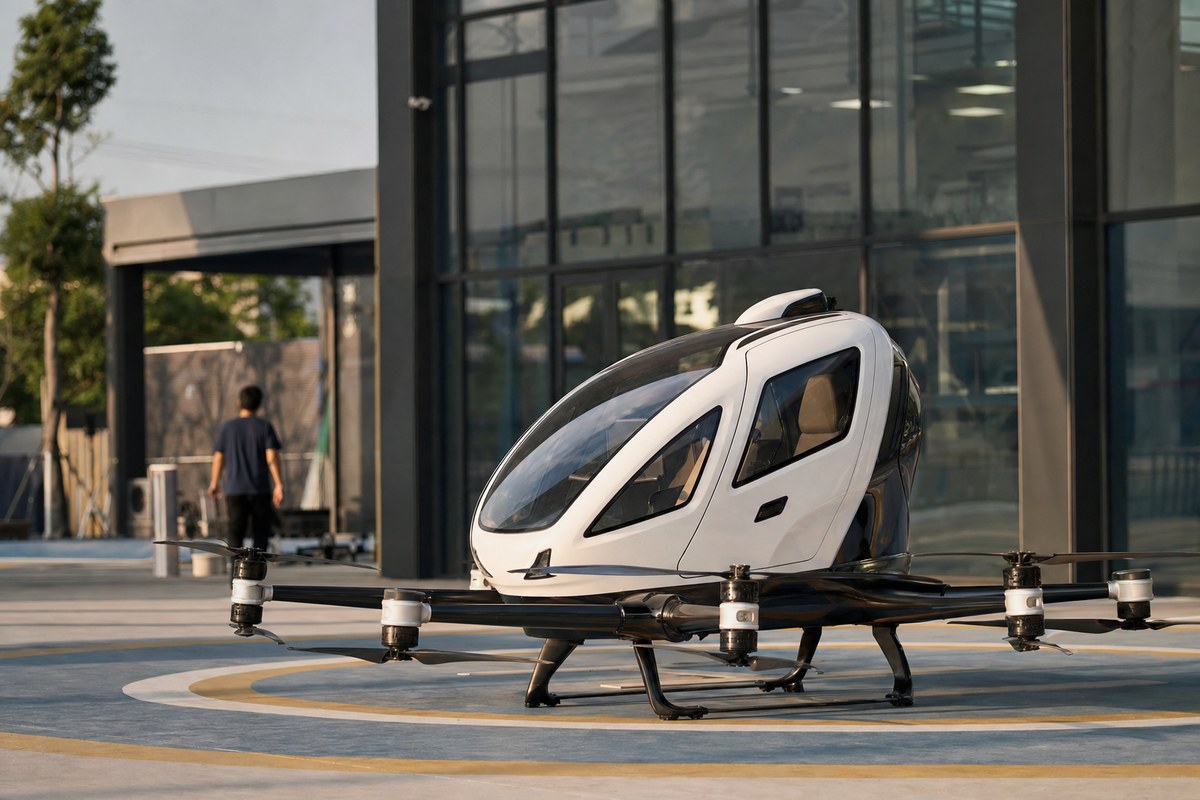
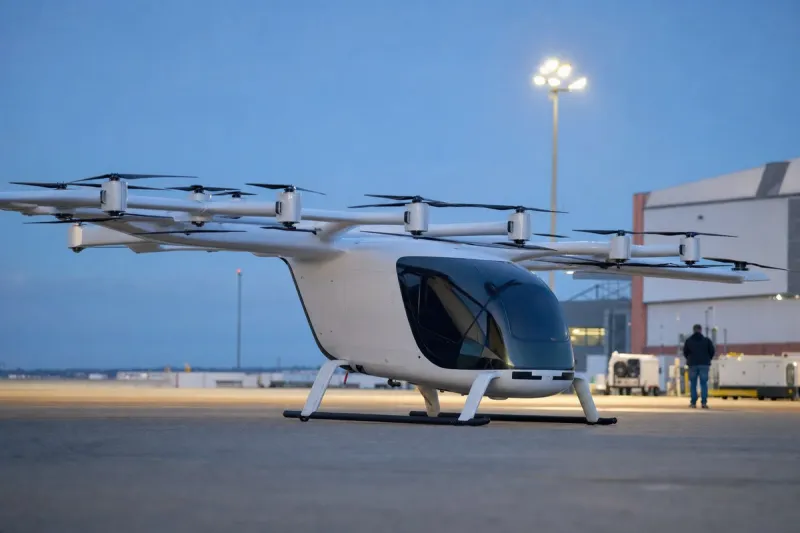
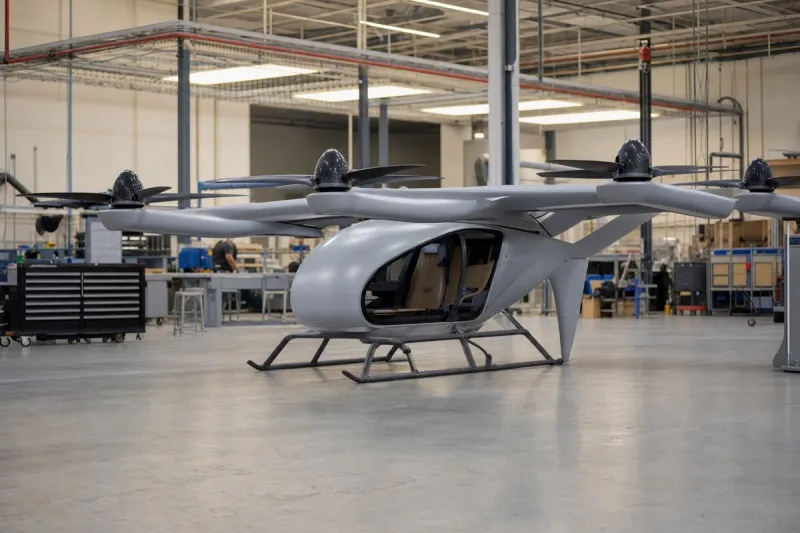
The company delivered 36 eVTOL aircraft during the quarter — 35 units of the EH216 series and one VT35 — up from 4 units in Q1 2026 but below the 52 EH216 series units delivered in Q2 2025. EHang also delivered 520 GD4.0 formation drones, compared with 1,000 units in the prior quarter. Gross margin was 61.2%, close to 61.5% in Q2 2025 and 62.5% in Q1 2026.
Operating loss widened to RMB 131.7 million (US$19.4 million) from RMB 100.1 million in Q2 2025 and RMB 127.9 million in Q1 2026. Net loss was RMB 128.3 million (US$18.9 million), versus RMB 103.0 million a year earlier. On a non-GAAP basis, adjusted operating loss was RMB 62.0 million (US$9.1 million) and adjusted net loss was RMB 58.5 million (US$8.6 million). Cash, short-term investments and treasury investment balances stood at RMB 929.4 million (US$137.0 million) as of June 30, 2026. Citing increased regulatory uncertainty following recent industry safety incidents in China, EHang withdrew its previously issued 2026 revenue guidance, pending improved visibility.
Industry impact & what to watch
EHang's quarter shows how young eVTOL revenue lines can swing sharply between periods even without a change in underlying demand: a low base in Q1 2026 made the quarter-over-quarter jump look large while the year-over-year comparison told the opposite story. Guidance withdrawals of this kind signal that a manufacturer's own forecasting depends on regulatory conditions it does not control, not only on production or order flow.
In markets where a handful of Air Operator Certificate sites and trial-operation approvals concentrate nearly all commercial activity, a safety incident anywhere in the sector can slow approvals across the board, regardless of which operator was involved. EHang's continued trial operations at its Guangzhou and Hefei sites, and its parallel push into Thailand and Hong Kong sandbox programs and a Global Fast Track Program for international markets, show a company trying to diversify regulatory exposure rather than wait out one jurisdiction's review.
What comes next will show up in whether Chinese regulators restore or narrow the trial-operation scope at existing sites, and whether the international sandbox programs in Thailand and Hong Kong begin generating deliveries that offset any domestic slowdown.