Electra Signs MOU with City of Helsinki and Haaga-Helia University to Study Direct Aviation Across Gulf of Finland
Why It MattersThe study signals how short-hop electric aircraft developers are testing demand and infrastructure needs against high-frequency ferry and airport routes before committing to commercial service.
What happened
Electra, the City of Helsinki, and Haaga-Helia University of Applied Sciences signed a Memorandum of Understanding on August 27, 2026 to study how Electra's Ultra Short aircraft could enable faster and more direct air connections between Helsinki and Tallinn across the Gulf of Finland. The two cities are separated by approximately 80 kilometres, with around 7.5 million travellers making the crossing each year by ferry or through conventional airports. Current ferry crossings take two hours, not counting terminal transfer time, while flying requires using full international airports with standard security processes.

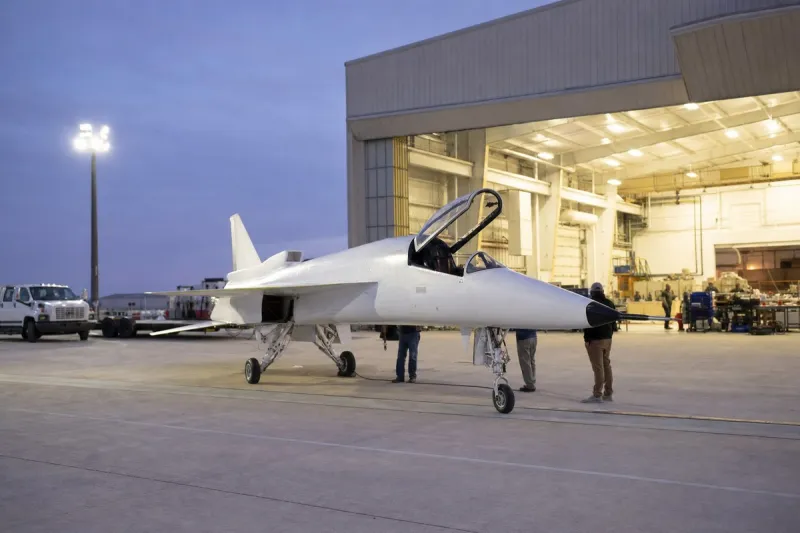
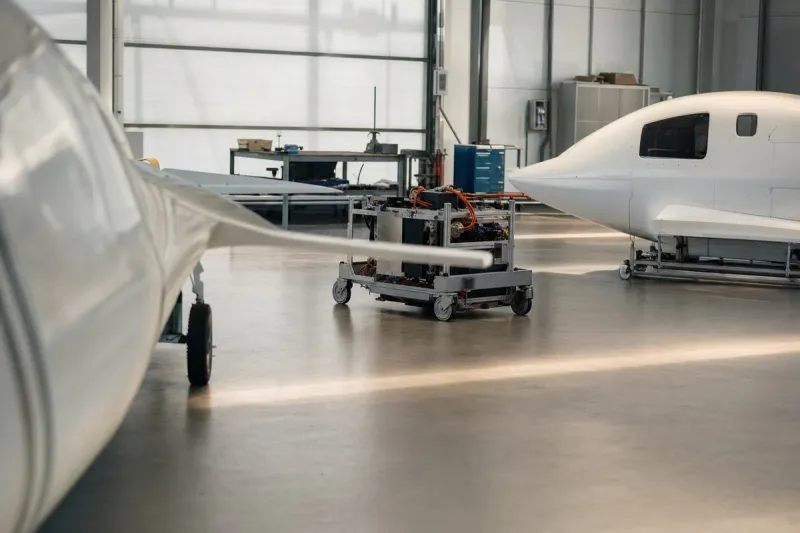
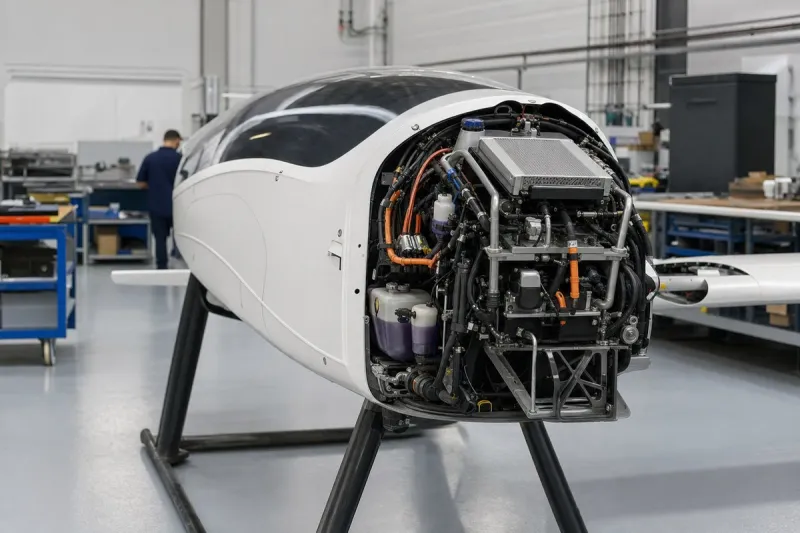
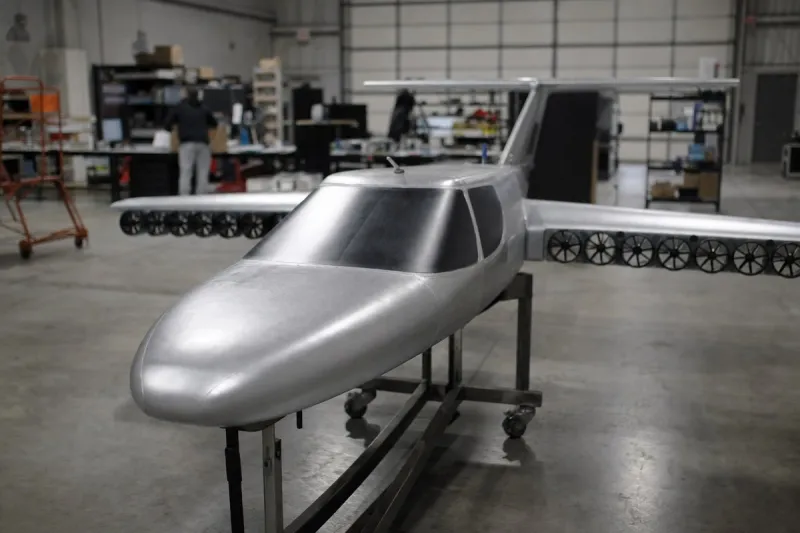
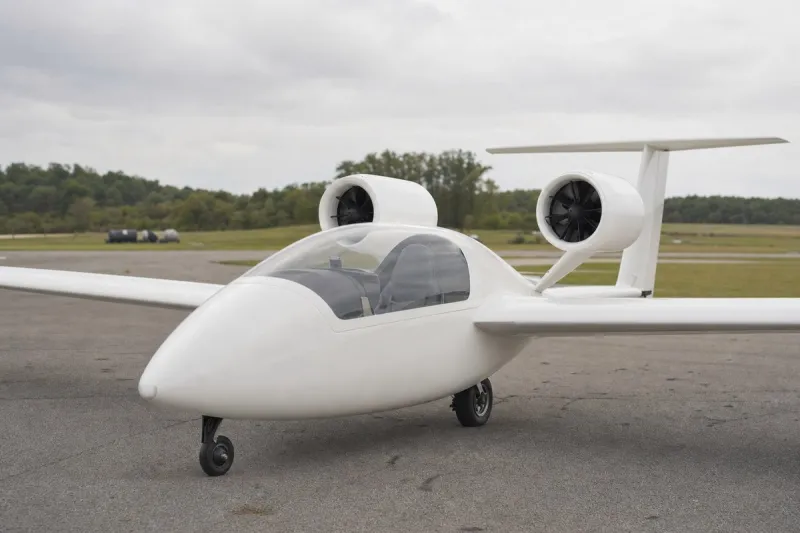
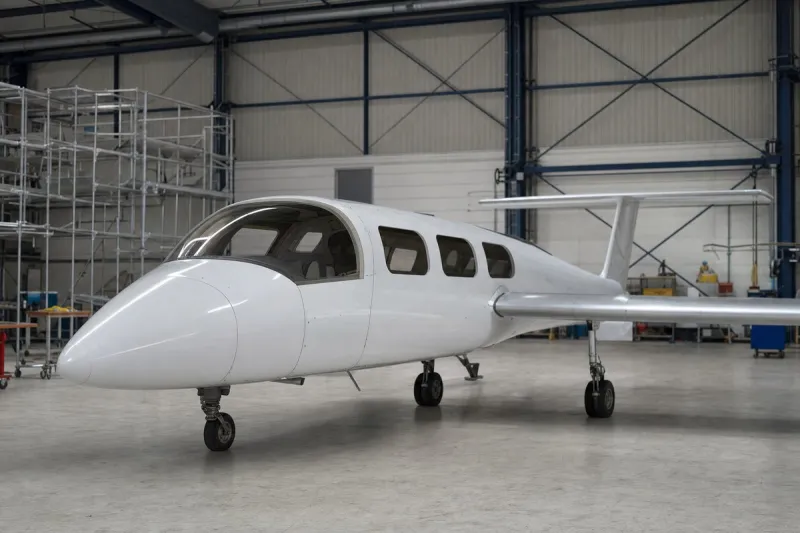
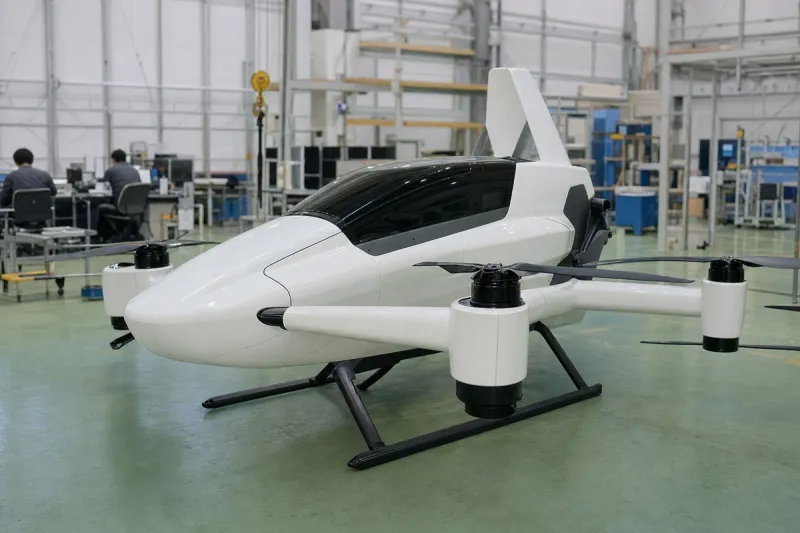
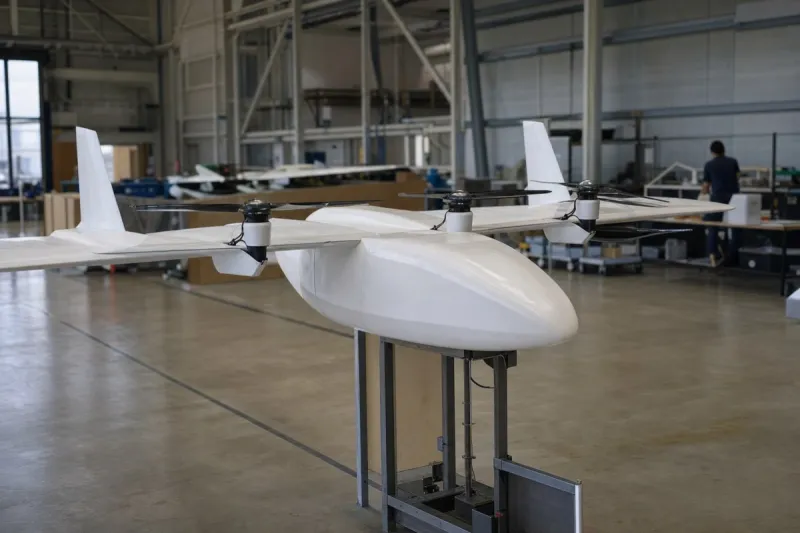
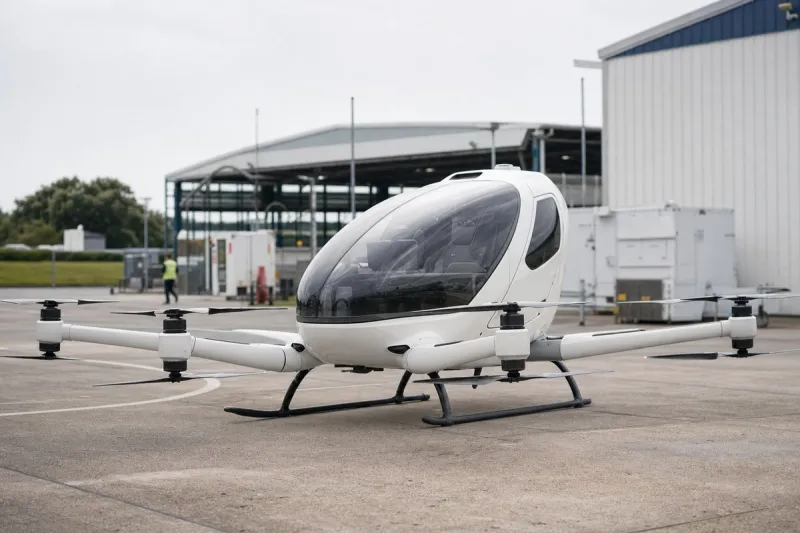
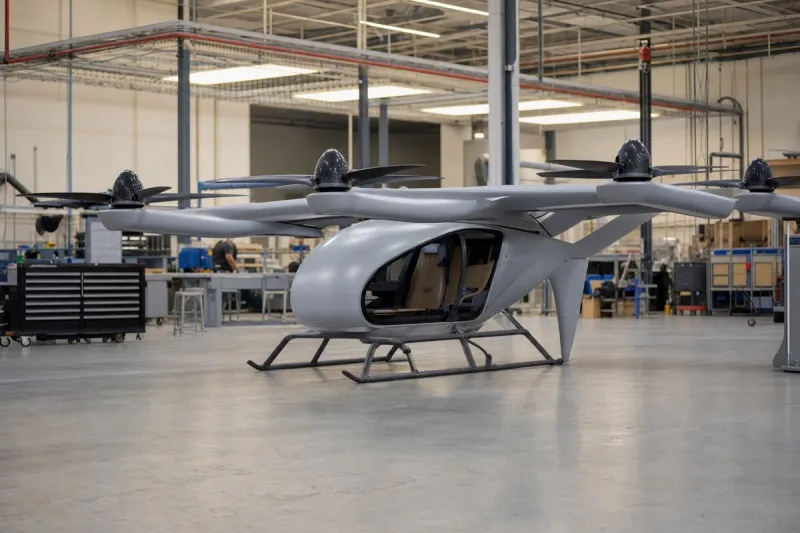
Electra's Ultra Short aircraft are designed to take off and land within 50 metres, allowing operations from compact access points located closer to passengers' origins and destinations, a model the company calls "Direct Aviation." Under the MOU, the three parties will conduct a feasibility study covering access-point design, passenger demand, operating economics, regulatory considerations, and potential public-private partnership models. Haaga-Helia and the City of Helsinki will evaluate existing travel flows by air and ferry, demand stimulation potential, and how demand could vary by time of day, season, and ticket price, while Electra will assess sizing, design requirements, and rough-order-of-magnitude costs for an Ultra Short access point at candidate sites designated by the City of Helsinki.
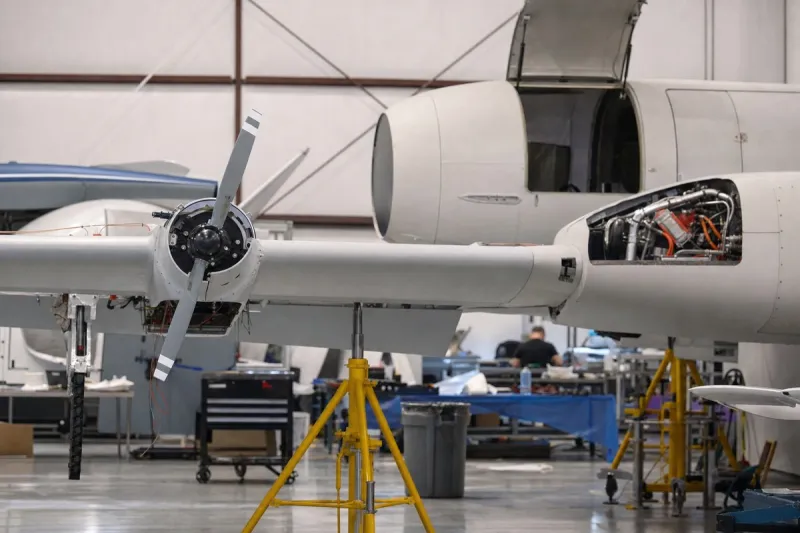
The parties will also explore a possible future flight demonstration using Electra's existing EL2 technology demonstrator, subject to future agreements and regulatory approvals. The study is expected to be completed by the end of 2026, with findings used to inform a roadmap for Ultra Short access infrastructure in Helsinki and viable commercial service models, and it will also evaluate additional regional destinations of interest to Helsinki residents, businesses, and visitors beyond the Helsinki-Tallinn route. Diana Siegel, Vice President of Commercial Programs at Electra, said "Helsinki and Tallinn are a natural Direct Aviation market: strong travel demand, short distance, and too much friction in the journey today." Susanna Niinistö-Sivuranta, President of Haaga-Helia University of Applied Sciences, said "Electric aviation has the potential to reshape how we think about distance and connectivity." Ville Lehmuskoski, Executive Director of the Urban Environment Division at the City of Helsinki, said "If emerging low-emission and electric aviation can complement the existing transport system with faster and more direct connections across the Gulf of Finland, it could create tangible benefits for residents and businesses on both sides."
Industry impact & what to watch
This MOU belongs to a category of pre-commercial groundwork that new-aircraft developers increasingly run alongside certification: pairing with a municipality and an academic partner to size demand and infrastructure cost before committing capital to a route. Electra is not proposing to fly the Helsinki-Tallinn crossing yet; it is proposing to measure whether the 7.5 million annual travellers who currently choose a two-hour ferry or a full airport routing would shift to a short-hop aircraft landing within 50 metres of their origin.
How this segment actually develops routes is visible in the division of labour set out here: the city and university model demand and pricing sensitivity, while the aircraft developer prices out the physical access point at candidate sites the city selects. That order matters because siting and cost data typically decide whether a public-private partnership is viable before any aircraft type is finalized for the route, and a demonstration flight using the EL2 technology demonstrator remains conditional on future agreements and regulatory approvals rather than scheduled.
The study's completion by the end of 2026 is the next dated marker, and its output — a roadmap for Ultra Short access infrastructure and candidate commercial service models — will show whether Helsinki intends to designate specific sites and whether Electra treats this corridor as an early launch market relative to its other letters of intent.