FAA Drone Rules: Part 107, the Recreational Exception and Proposed Part 108 Explained
Why It MattersPackage-delivery drone operators currently rely on slow case-by-case exemptions, so a standing Part 108 rule would move beyond-visual-line-of-sight commercial flying onto a predictable regulatory footing.
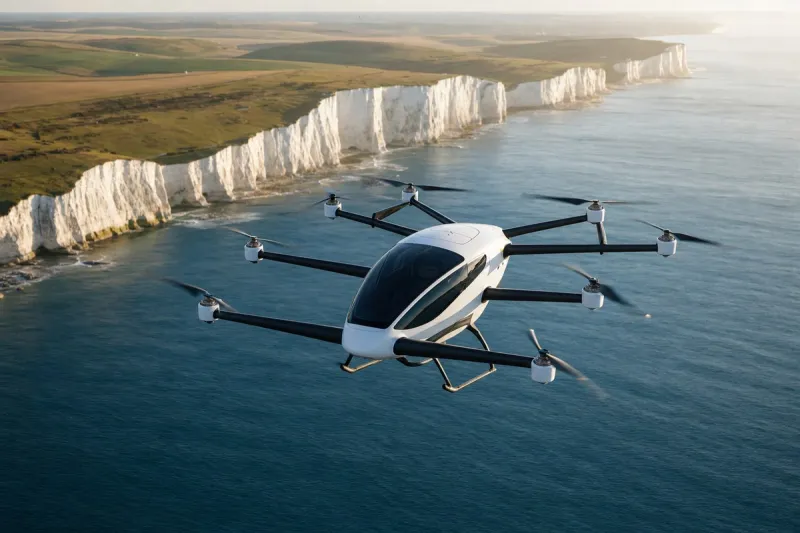
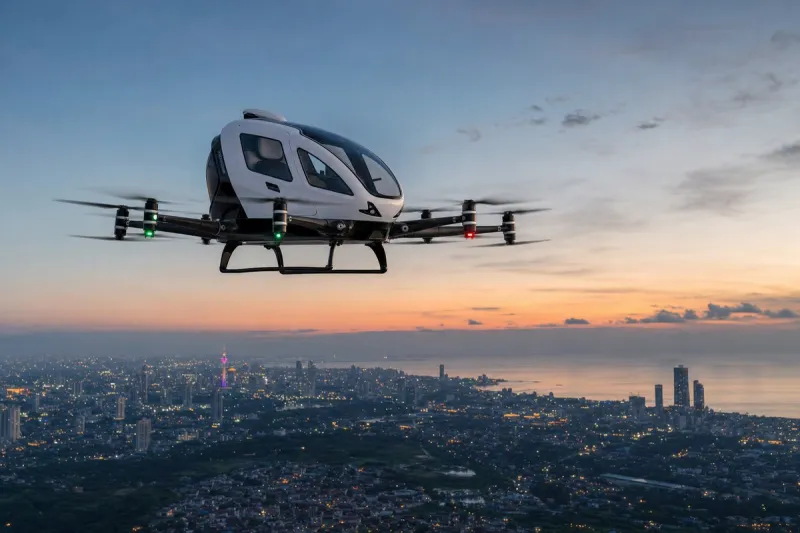
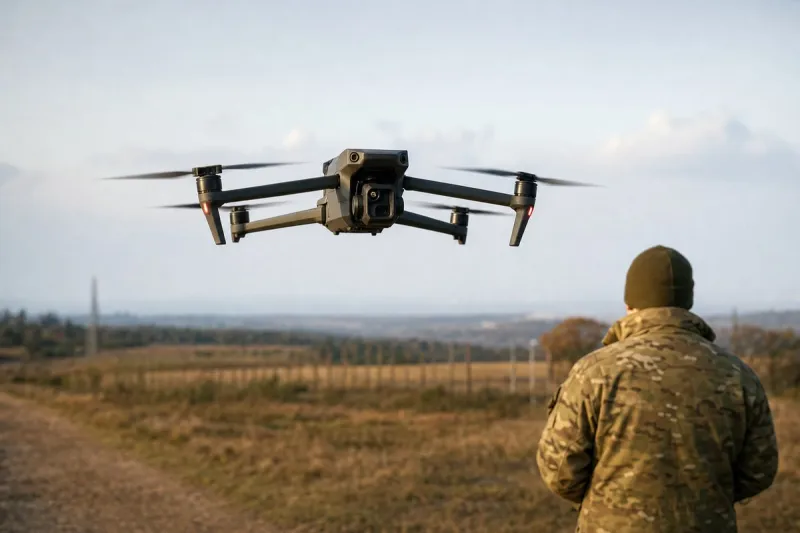
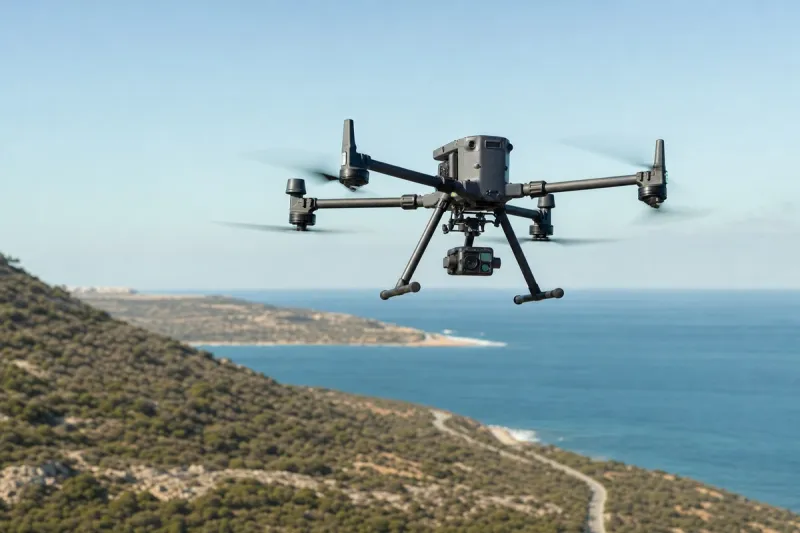
Two legal regimes govern small drones in the United States, and a third is proposed. Under 14 CFR Part 107, almost all non-recreational flying of drones under 55 lb requires a remote pilot certificate. A limited recreational exception in 49 U.S.C. 44809 lets hobbyists fly without FAA certification if the flight meets eight conditions. The deciding factor is the purpose of the flight, not whether the operator is paid.
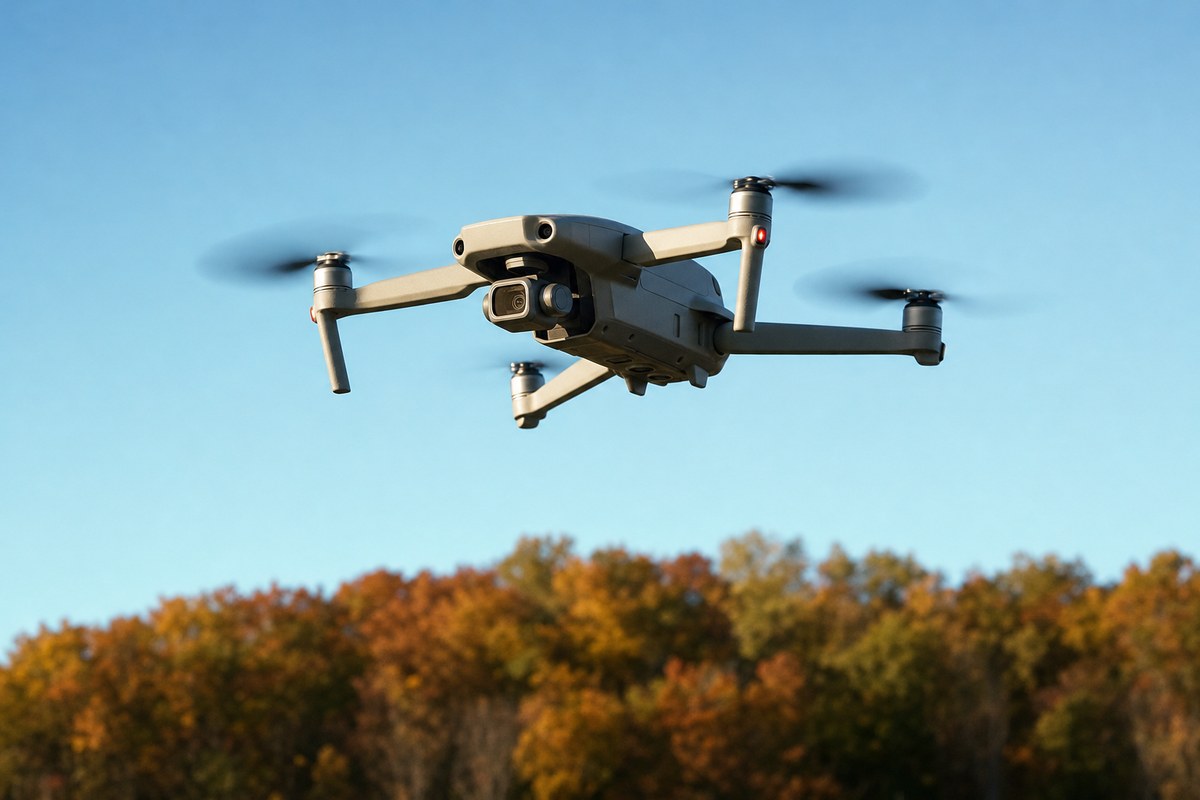
The eight recreational conditions are: the flight is strictly recreational; it follows the safety guidelines of a community-based organisation developed with the FAA; it stays within visual line of sight of the operator or a co-located visual observer; prior authorisation is obtained in Class B, C or D airspace or the surface area of Class E designated for an airport; it stays at or below 400 feet above ground level in Class G; the operator has passed the aeronautical knowledge and safety test and can show proof; and the aircraft is registered and marked, with proof available.
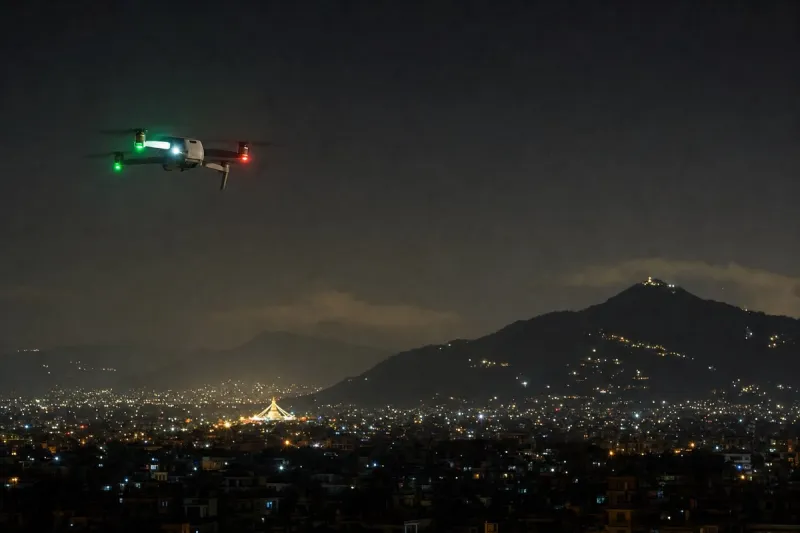
Under section 107.61, a remote pilot certificate with small UAS rating requires the applicant to be at least 16, to read, speak, write and understand English, to have no known physical or mental condition that would interfere with safe operation, and to demonstrate aeronautical knowledge via an initial test at an approved testing centre; Part 61 pilot certificate holders current on their flight review take a course instead. There is no flight test, medical certificate or logbook requirement. Section 107.51 limits groundspeed to 87 knots (100 mph) and altitude to 400 feet above ground, or 400 feet above a structure's uppermost limit within a 400-foot radius of it. Flight visibility must be at least three statute miles, and the aircraft must stay 500 feet below and 2,000 feet horizontally from cloud. Night flight, allowed since 2021, requires that the pilot took the test or training after 6 April 2021 and that the aircraft carry anti-collision lighting visible for at least three statute miles.
Registration differs between the regimes. An aircraft must be registered unless it is operated exclusively under section 44809 and weighs 0.55 pounds or less on takeoff; the same drone used for a Part 107 flight must be registered. One $5 certificate covers all aircraft used exclusively recreationally, while Part 107 aircraft each need their own certificate at $5 per aircraft. Both expire three years after issue.
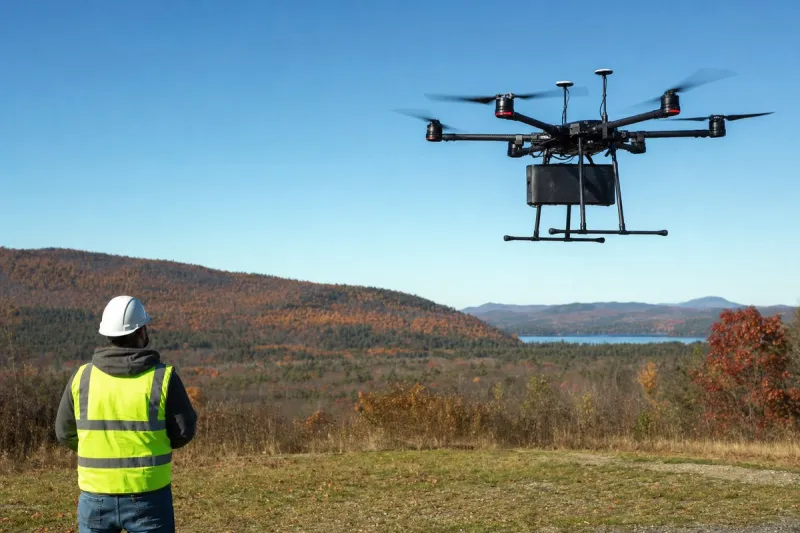
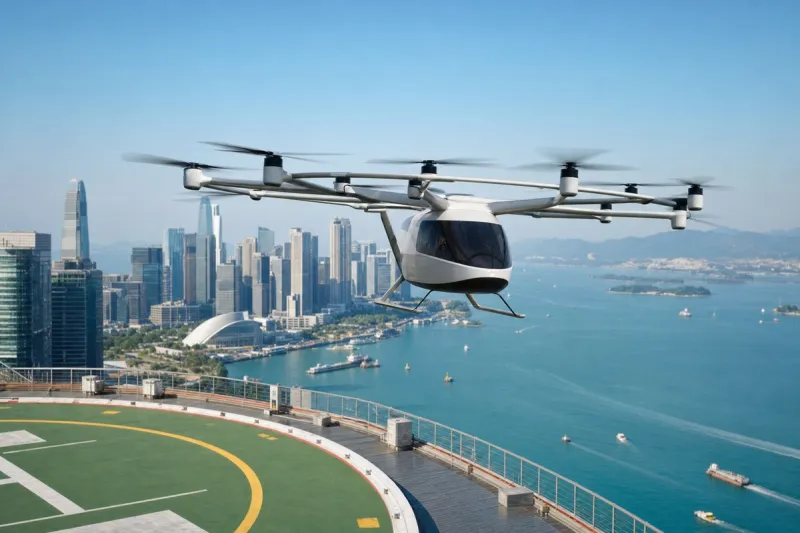
Both regimes require visual line of sight under section 107.31, with unaided vision. Beyond-visual-line-of-sight flight needs a waiver or exemption, and no waiver will be issued to allow carriage of another's property by aircraft for compensation or hire. Package delivery operators such as Zipline, UPS Flight Forward and Amazon Prime Air therefore operate under case-by-case exemptions under 14 CFR Part 11 and 49 U.S.C. 44807, a process the FAA concedes can be time and resource-intensive. The proposed Part 108 is a 180-page rule published as an NPRM on 7 August.