SR Technics Ramps Up Bad Zurzach Engine MRO Facility Faster Than Planned
Why It MattersFreeing Zurich capacity by relocating a legacy engine line to a dedicated site shows how MRO providers reallocate scarce hangar and test-cell space to keep pace with newer-generation engine demand.
What happened
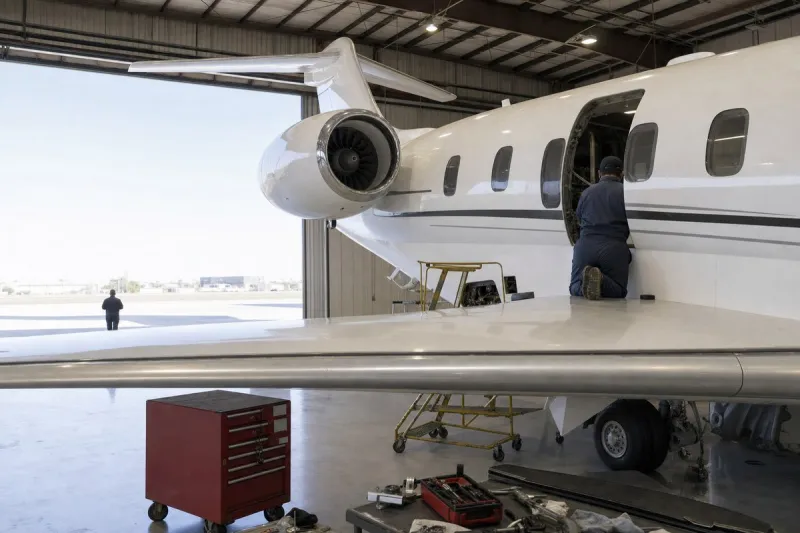
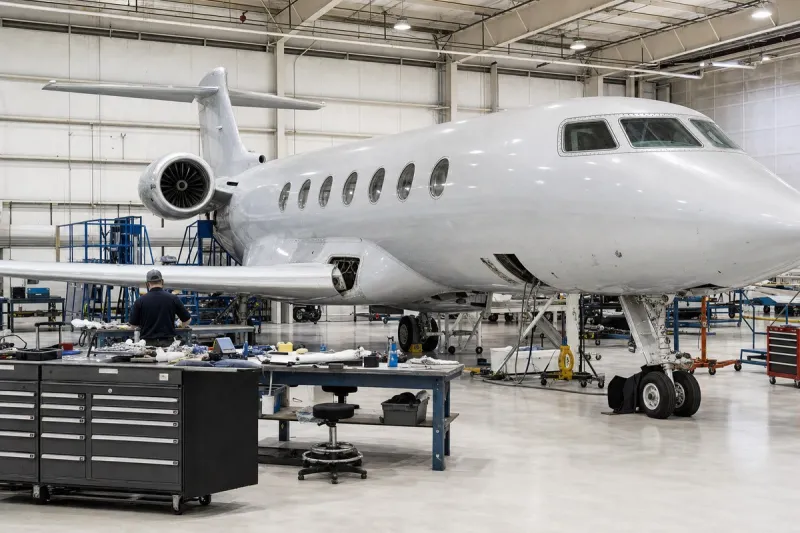
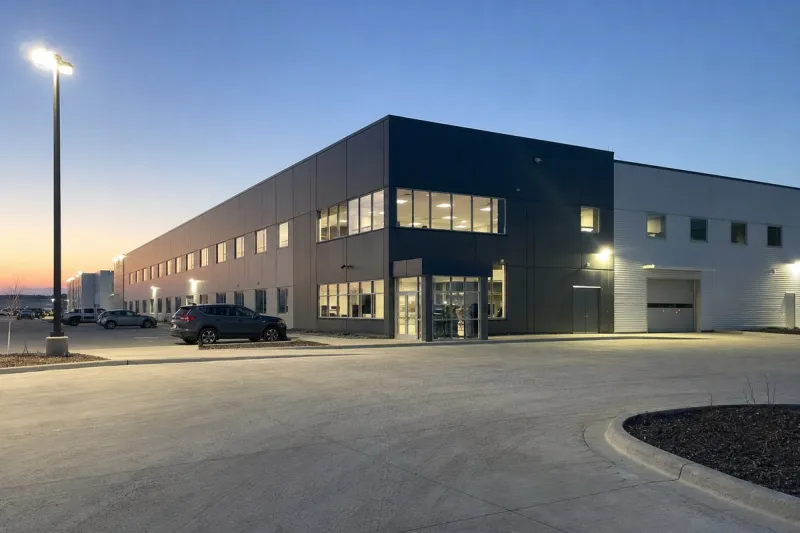
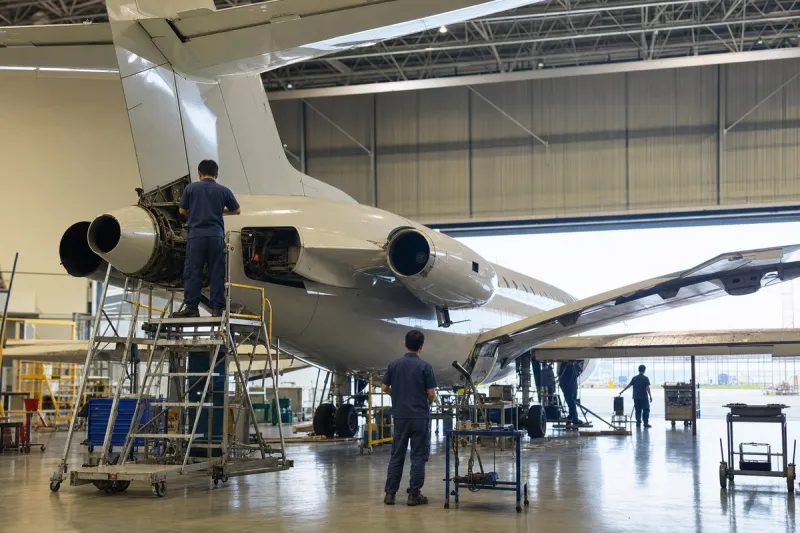
SR Technics has accelerated the ramp-up of its Bad Zurzach engine maintenance facility, located about 25 miles northwest of Zurich, with activity moving faster than the company projected, according to Bo Lump, senior vice president of business development at SR Technics. The facility opened in January 2026 after renovation began in January 2025, when SR Technics converted an existing industrial building into a purpose-designed engine maintenance center.
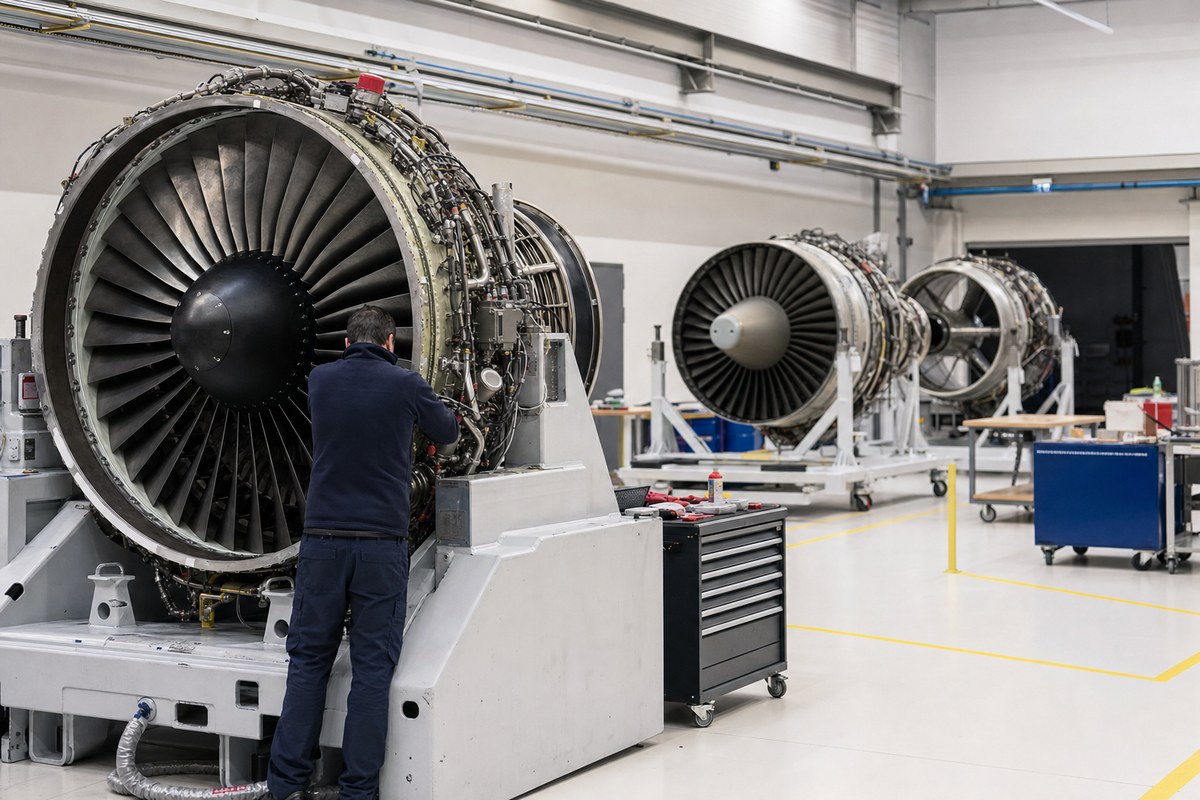
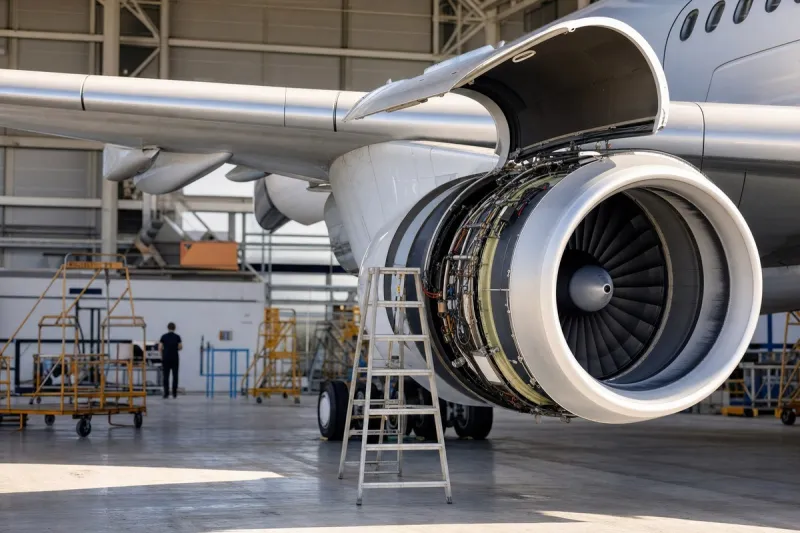
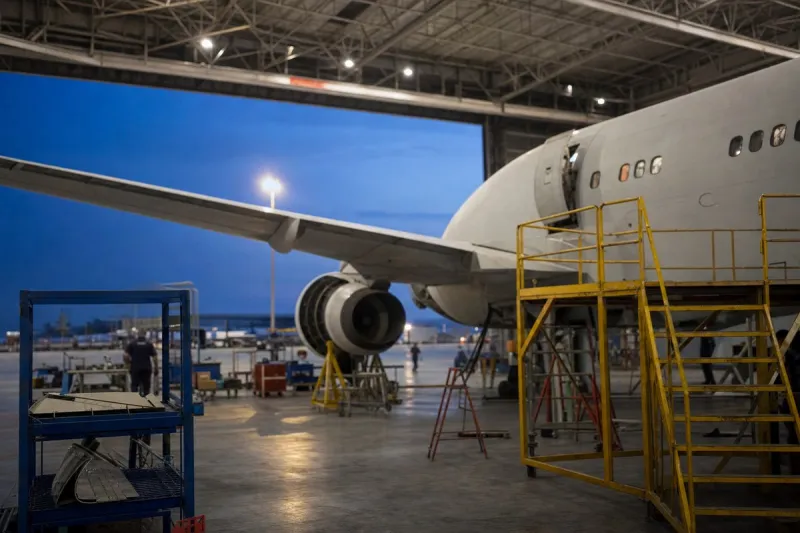
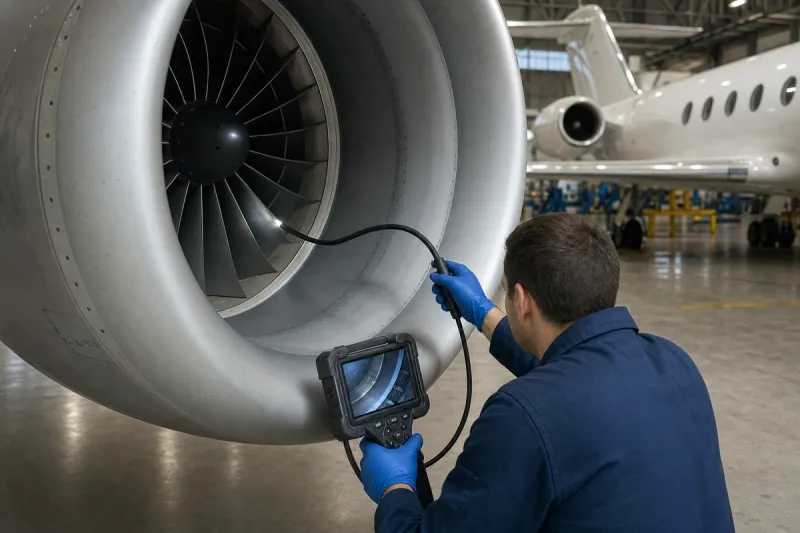
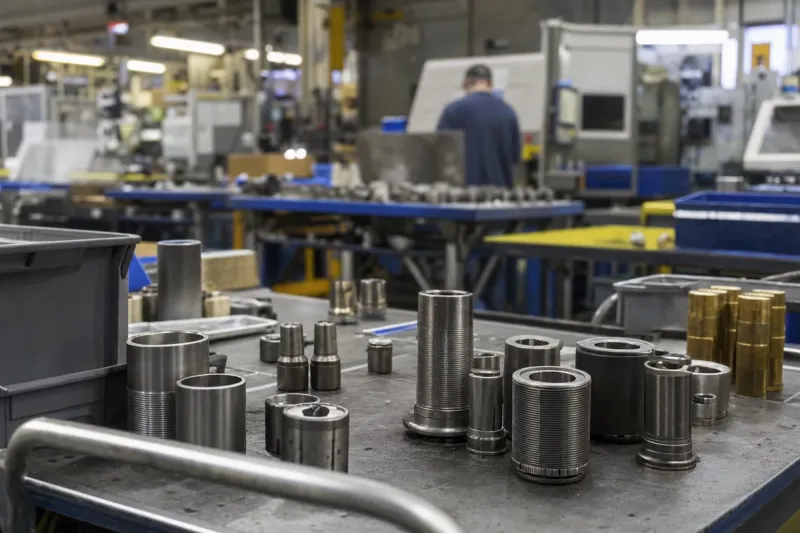
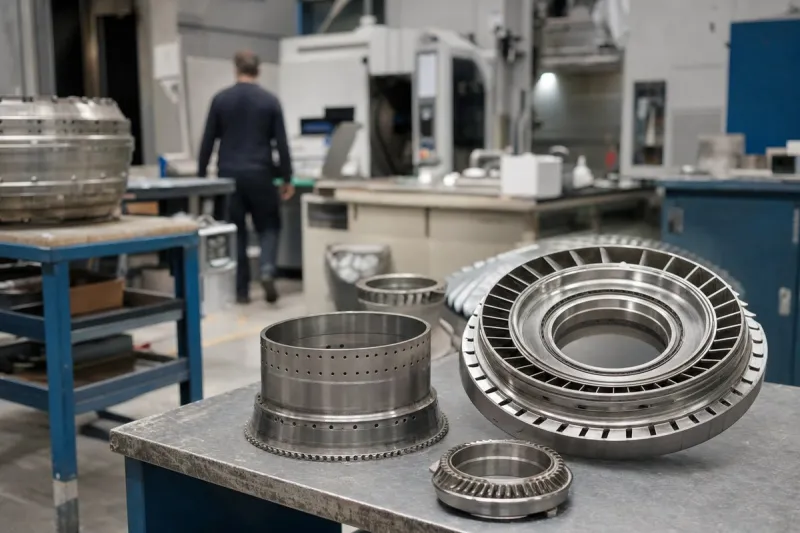
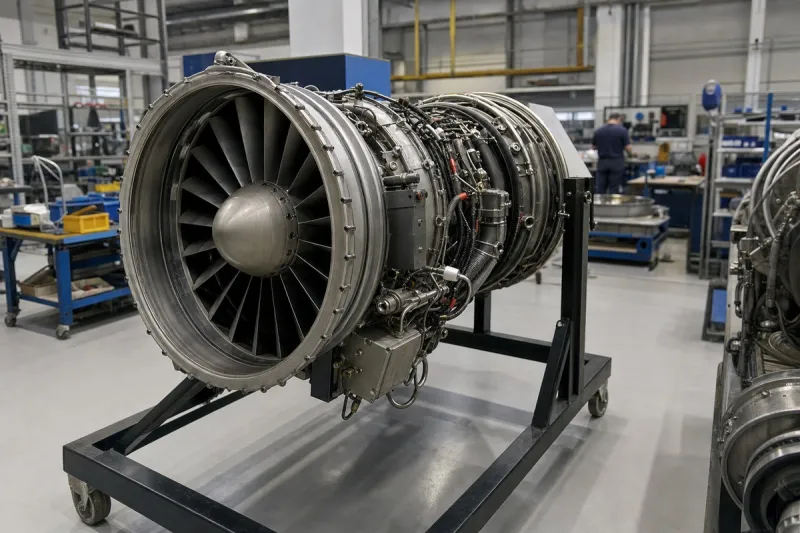
The site focuses on quick-turn MRO for CFM56-5B/7B and Pratt & Whitney PW4000 engines, and it recently received its first PW4000 heavy maintenance induction. Services include high-level engine inspections, repairs, modifications and field assistance for a worldwide customer base. SR Technics plans to transfer its entire PW4000 product line from its main Zurich Airport operation to Bad Zurzach, with maintenance divided between the two sites during the transition; once complete, the freed Zurich capacity will support continued ramp-up on CFM Leap and Pratt & Whitney GTF engines.
Lump described the PW4000 aftermarket as a niche but attractive segment, citing strong maintenance demand as operators extend aircraft lives, plus COVID-era deferred maintenance as an additional driver. SR Technics' PW4000 capabilities cover the PW4000-94, which powers Boeing 747 and 767 aircraft, and the PW4000-100, an engine option for the Airbus A330. At its main Zurich engine operation, SR Technics expects to deliver more than 200 engines in 2026, supported by a second test cell reactivated in 2024 that is primarily dedicated to GTF testing but also configured for Leap and CFM56 engines. Two years ago, SR Technics signed a 10-year agreement with Pratt & Whitney targeting at least 1,000 GTF shop visits over the life of the contract, and the company is on course to begin offering third-party shop capacity for the Leap-1A engine from next year, initially releasing a limited number of open-market slots while prioritizing existing Safran offload commitments before expanding into broader third-party work.
Industry impact & what to watch
Relocating an entire legacy engine line to a dedicated satellite site is a common move for MRO providers managing the overlap between mature-fleet demand and the ramp of newer engine families. Splitting PW4000 work across two locations during the handover, then freeing the main site for Leap and GTF volume, shows how shops sequence capacity rather than build new floor space for every program.
The segment runs on test-cell and induction-slot availability as much as on technician headcount: running two test cells in parallel at Zurich, with the newer one biased toward GTF's longer occupancy times, is the practical lever for hitting a 200-plus engine delivery target in a single year. Deferred maintenance from the pandemic era layered onto extended aircraft lives is keeping older platforms like the PW4000 commercially viable for shops even as the installed base ages.
The pace of the PW4000 transfer to Bad Zurzach, the volume SR Technics can push through the reactivated Zurich test cell toward its 1,000-shop-visit GTF commitment, and how quickly the limited open-market Leap-1A slots fill once offered next year are the near-term markers of whether this capacity shift delivers as intended.