Global Borescope Inspection Systems Market Forecast to Reach $170 Million by 2035, Driven by Aerospace MRO Demand
Why It MattersAs inspection tools shift toward AI-assisted video borescopes, cost and certification barriers above $20,000 per unit could concentrate advanced capability among larger MRO providers.
What happened
The global borescope inspection systems market is projected to reach approximately $170 million by 2035, expanding at a compound annual growth rate of 5 to 7 percent between 2026 and 2035. Growth is attributed to rising quality assurance requirements across aerospace, power generation, automotive, and electronics manufacturing.
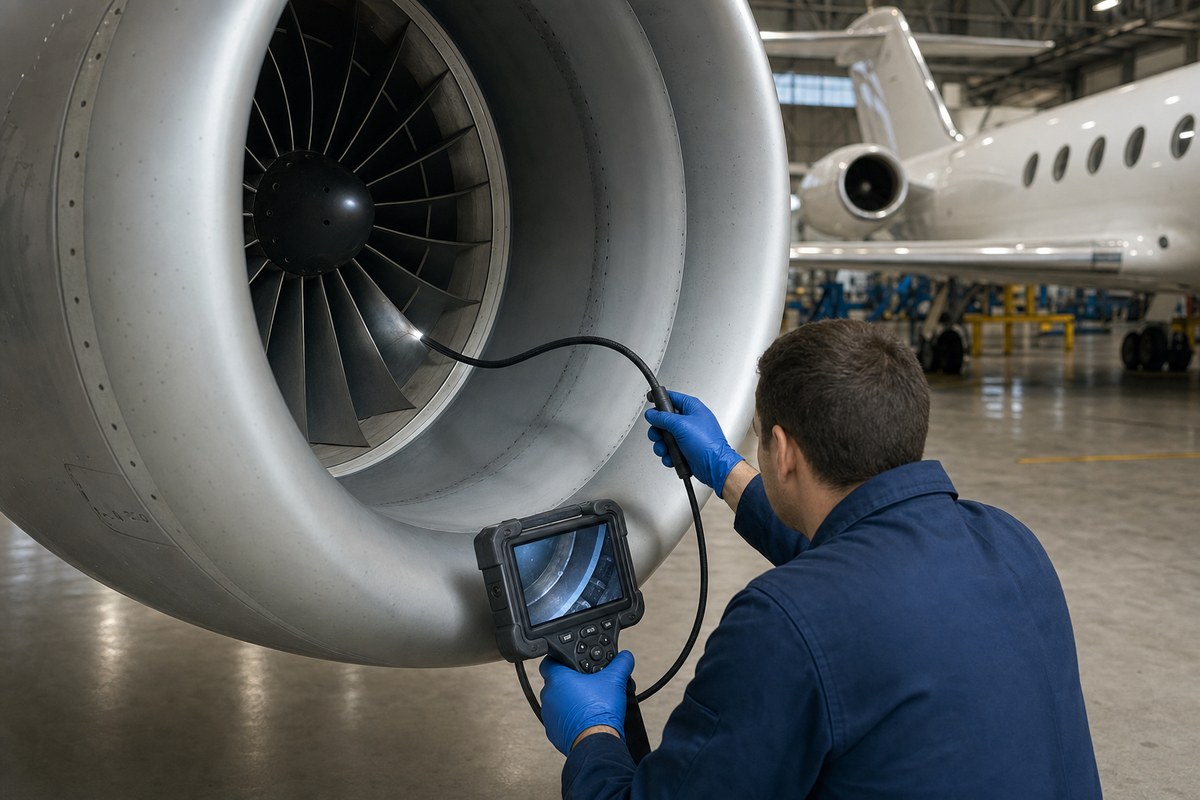
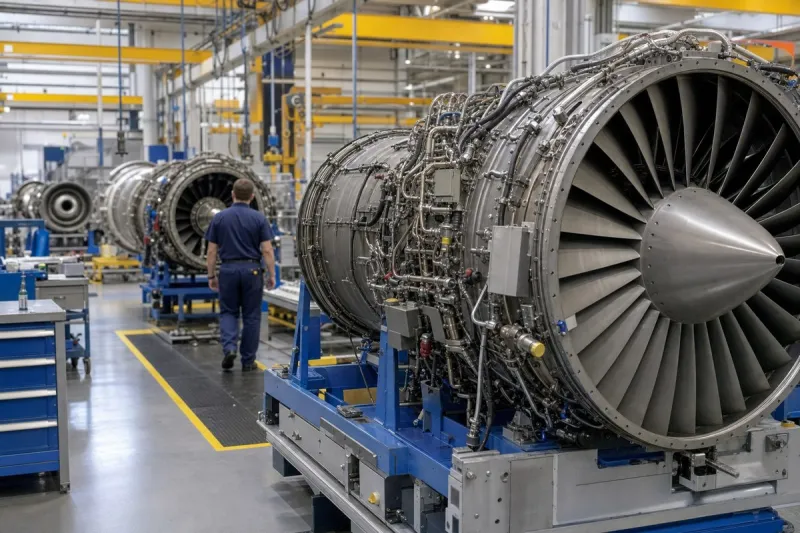
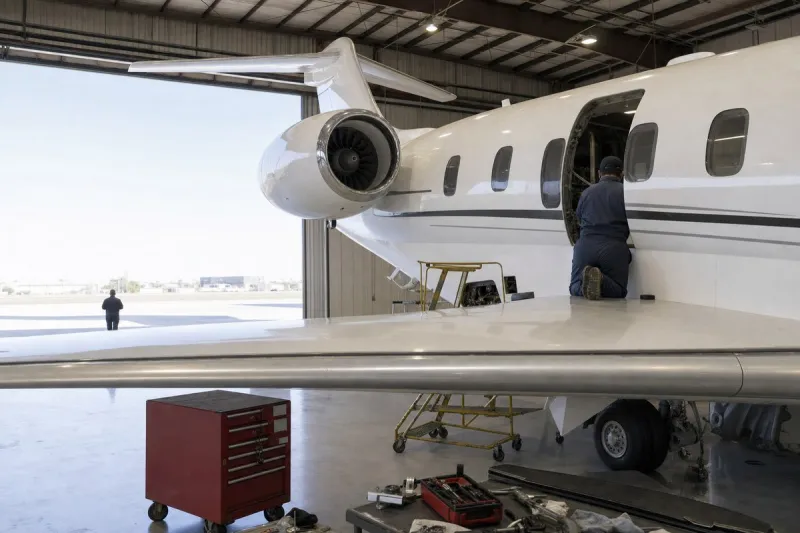
Aerospace maintenance, repair, and overhaul accounts for an estimated 30 to 35 percent of global consumption, the largest demand segment. Increasing use of composite airframes and stringent inspection standards are cited as factors heightening demand for advanced borescope systems, while the semiconductor and precision manufacturing sectors are accelerating adoption of automated visual inspection. The Asia-Pacific region, led by China and India, is described as the fastest-growing market, with annual demand growth estimated at 7 to 10 percent, fuelled by manufacturing expansion and automated visual inspection adoption in electronics and automotive supply chains.
The market is shifting toward video borescopes with digital articulation, high-definition imaging, and integrated measurement software, replacing traditional rigid and fibre-optic instruments. Artificial intelligence for defect recognition and trend analysis is becoming standard in premium models, reducing operator dependency and improving inspection throughput. Baker Hughes launched the Everest Mentor Flex+ modular borescope, and RTX's Pratt & Whitney acquired Aiir to strengthen AI-supported inspection capabilities. Advanced videoscope systems often exceed $20,000 per unit, restricting adoption among smaller service providers, and compliance with explosion-proof certifications such as ATEX and IECEx can increase system costs by 10 to 20 percent. Shortages of CMOS image sensors, micro-articulation motors, and specialty optical fibres have extended lead times to six to twelve weeks and raised input costs.
Industry impact & what to watch
Inspection equipment spending is following the trajectory of composite airframes and tightening quality standards, both of which push aerospace MRO shops toward instruments that can resolve finer defects without disassembly. Borescope adoption in this segment tracks directly with how much of an aircraft's structure must be checked internally rather than visually from outside, which is why composite-heavy designs raise demand for advanced imaging rather than simply more inspections.
The premium tier of this market, digitally articulated video borescopes with AI defect recognition, functions differently from the base tier of rigid and fibre-optic tools: it substitutes software-assisted judgment for operator experience, which changes who can perform a given inspection and how fast. Explosion-proof certification and component shortages act as a second filter on top of that, since a shop needs both the certified hardware and available inventory to actually deploy the newer tools, not just budget for them.
What remains to be seen is how quickly component lead times of six to twelve weeks ease as CMOS sensor and micro-articulation motor supply catches up, and whether smaller MRO shops gain access to AI-enabled borescopes through leasing or shared-service models rather than the roughly $20,000-per-unit purchase price.