REGENT Craft Raises $240 Million Series B to Scale Seaglider Manufacturing
Why It MattersSeaglider development is shifting from prototype demonstration toward serial production, with defense contracts and multi-continent order books signaling the segment's move from concept to commercial delivery.
What happened
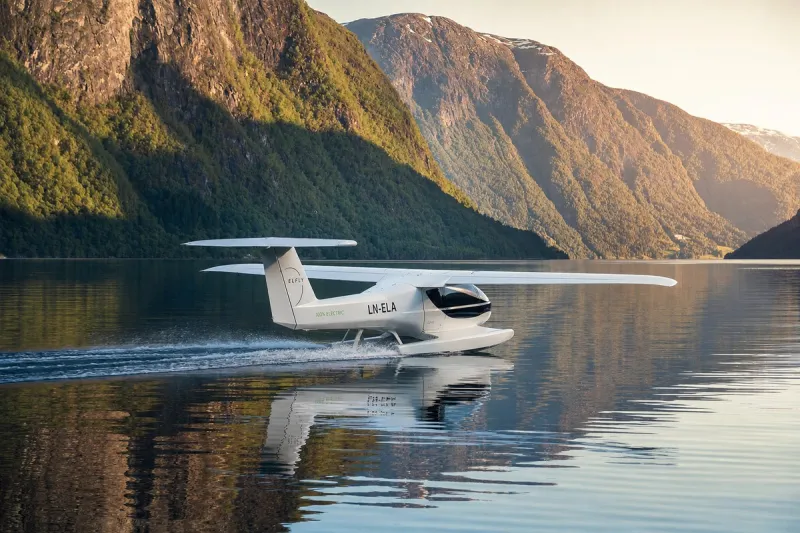
REGENT Craft, the Rhode Island-based developer and manufacturer of Seaglider vessels, announced on August 27, 2026 that it raised $240 million in a Series B funding round comprising an equal mix of equity and debt. Mare Liberum and AE Ventures co-led the round, with debt capital provided by Erebor Bank.

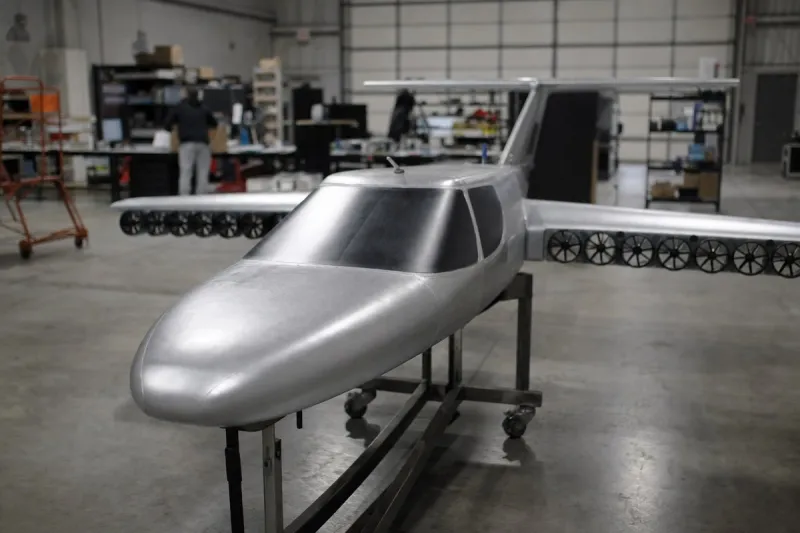
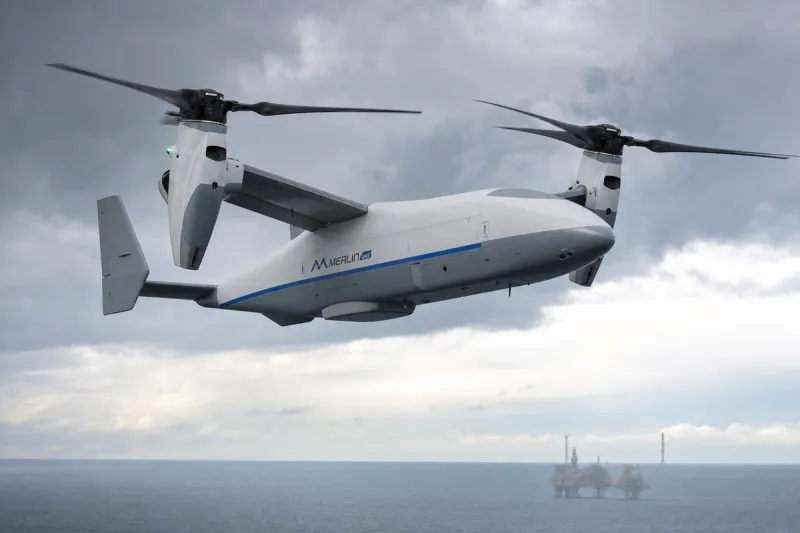
The company has secured an expanded US Marine Corps contract worth $15 million for its Viceroy Seaglider platform and reported rising interest in its autonomous Squire platform, which it attributed to the Department of War's prioritization of maritime theatres. REGENT has built a global order book spanning six continents with multiple years of manufacturing capacity booked, and named The Twenty Five as its first commercial U.S. delivery and launch partner. Existing investors participating in the round include Founders Fund, Caffeinated Capital, Lockheed Martin Ventures, Japan Airlines, and Giant Step Capital, with DCVC joining as a new investor. Total funding commitments now exceed $340 million.
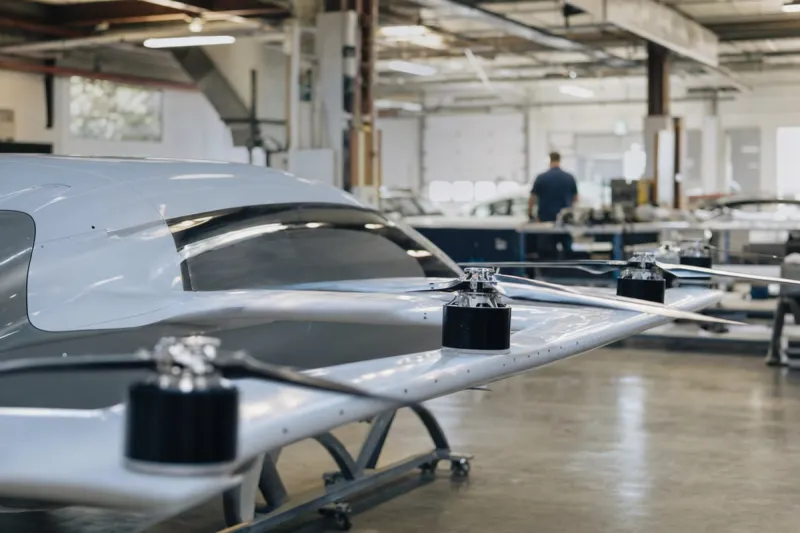
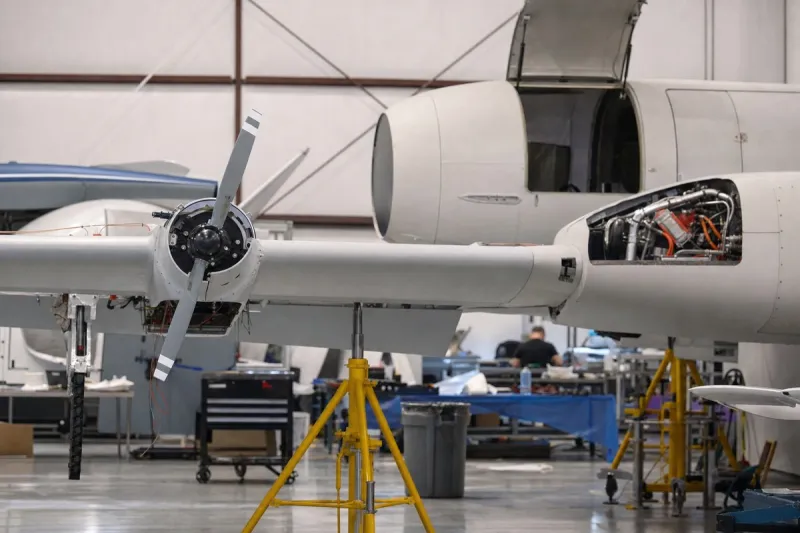
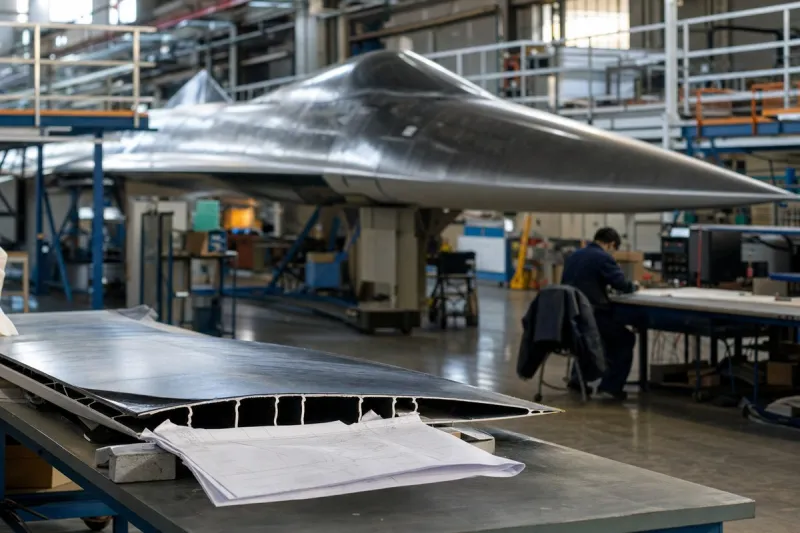
The funding will support REGENT's transition from early-stage development to full-scale manufacturing, with anticipated near-term milestones including the first human flight of the Viceroy prototype, new military partnerships, and the start of manufacturing operations at the company's recently completed 255,000-square-foot Seaglider Manufacturing Facility in Rhode Island. International expansion plans include deepening a partnership with Abu Dhabi's Strategic Development Fund for early Seaglider operations and future manufacturing in the UAE, a partnership with Balnord in Poland targeting Baltic Sea defense requirements, and a collaboration with iGrow in Greece for commercial routes across the Aegean Islands.
Industry impact & what to watch
Seaglider development sits at the intersection of maritime transport and aviation-style manufacturing, and this round shows how capital for such craft is now being raised on the strength of dual-use demand rather than a single market. A defense contract, a commercial launch partner, and interest from a government prioritizing maritime theatres are all cited as reasons investors backed the round, which is how emerging aircraft categories typically secure the capital needed to move from prototype to factory floor.
How this segment matures depends on whether contracted orders convert into delivered, revenue-generating aircraft once the Rhode Island facility begins production. A global order book across six continents only becomes meaningful once manufacturing throughput and certification keep pace with demand, since capacity booked years in advance is a forward commitment, not a completed sale.
The first human flight of the Viceroy prototype is the next concrete milestone to watch, alongside whether the Marine Corps contract expands further and whether the partnerships in the UAE, Poland, and Greece progress from stated intent to operating agreements.