Aviation Safety Legislation Stalls More Than 18 Months After American Airlines Flight 5342 Crash
Why It MattersLegislative deadlock over a single technical carve-out shows how military-civilian airspace safety mandates can stall for years even after regulators identify a specific fix that would have prevented a fatal collision.
What happened
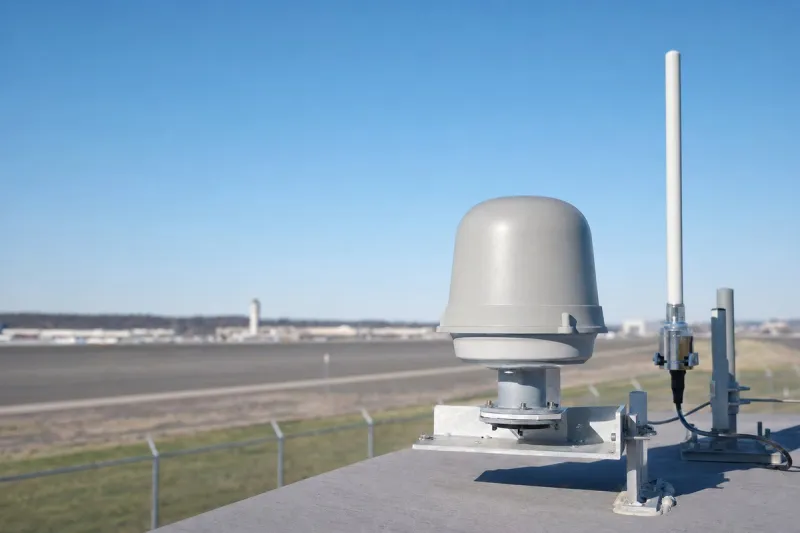
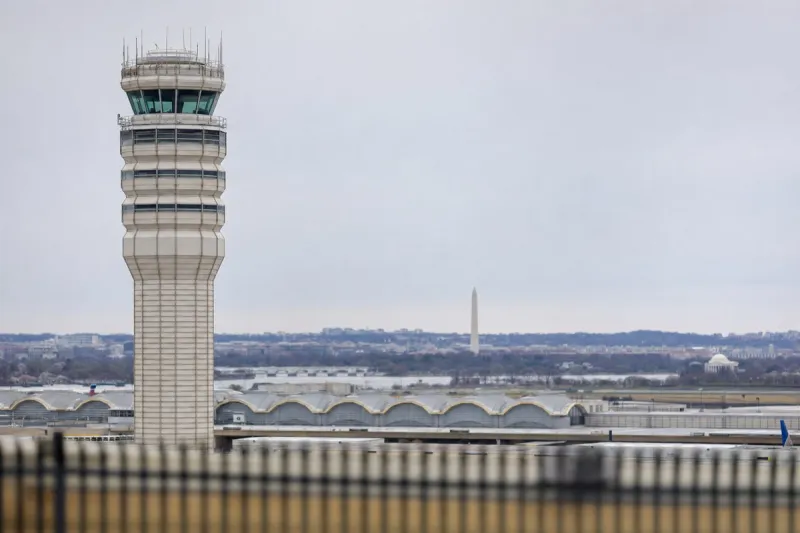
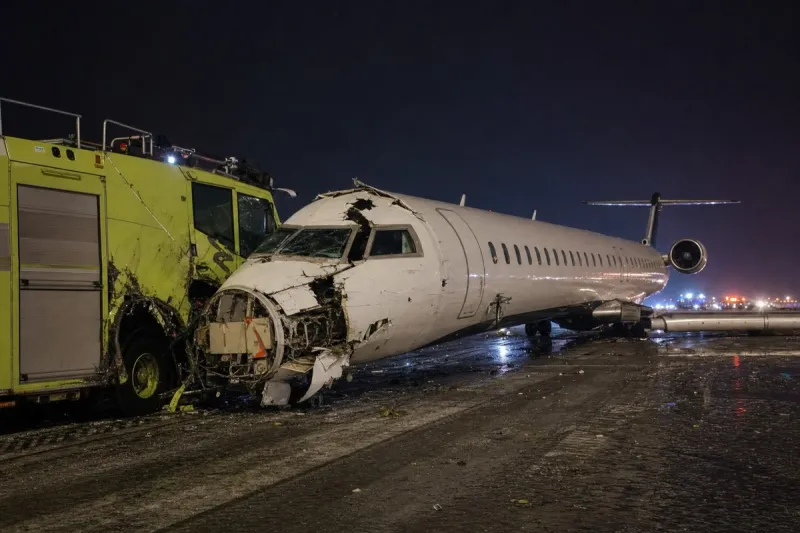
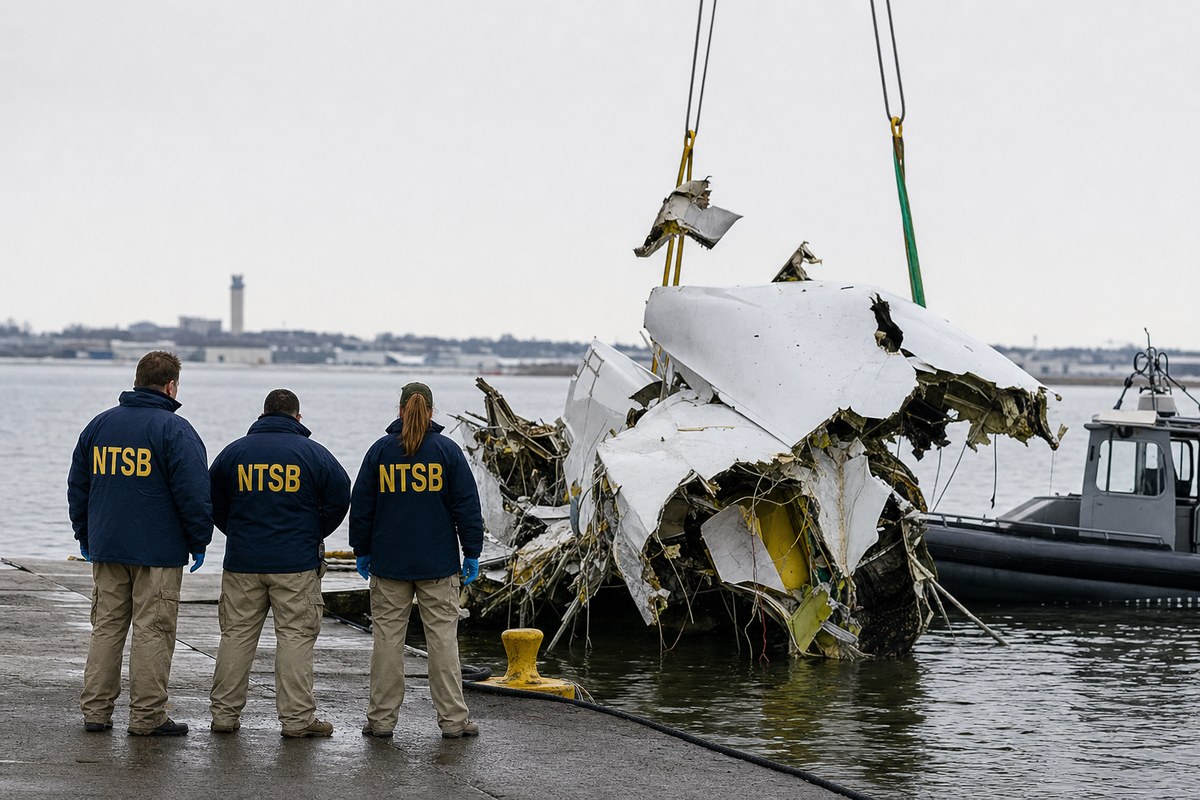
More than 18 months after American Airlines Flight 5342 collided with a U.S. Army Black Hawk helicopter over the Potomac River on January 29, 2025, killing all 67 people aboard both aircraft, federal aviation safety legislation remains stalled in Congress. The Senate unanimously passed the ROTOR Act, which would require Automatic Dependent Surveillance-Broadcast (ADS-B) real-time tracking technology on all civilian and military aircraft by the end of 2031, but the House defeated the measure by a single vote after the Pentagon withdrew its earlier support, citing budgetary burdens and operational security risks.
The House instead passed its own version, the ALERT Act, sponsored by Rep. Sam Graves (R-MO), chair of the House Committee on Transportation and Infrastructure, who is retiring in January. Graves called the Senate bill "emotional legislation" in a January interview, and his bill would exempt certain military aircraft conducting special missions in and around Washington from the ADS-B requirement, a difference from the Senate version. Sen. Jerry Moran (R-KS), chair of the Senate aviation subcommittee and co-sponsor of the ROTOR Act alongside Sen. Ted Cruz (R-TX), wrote in a March Wall Street Journal op-ed that the Graves-backed House bill was "more lenient" toward the Department of Defense, and said negotiations between House and Senate staff are ongoing, with hope for a compromise bill.
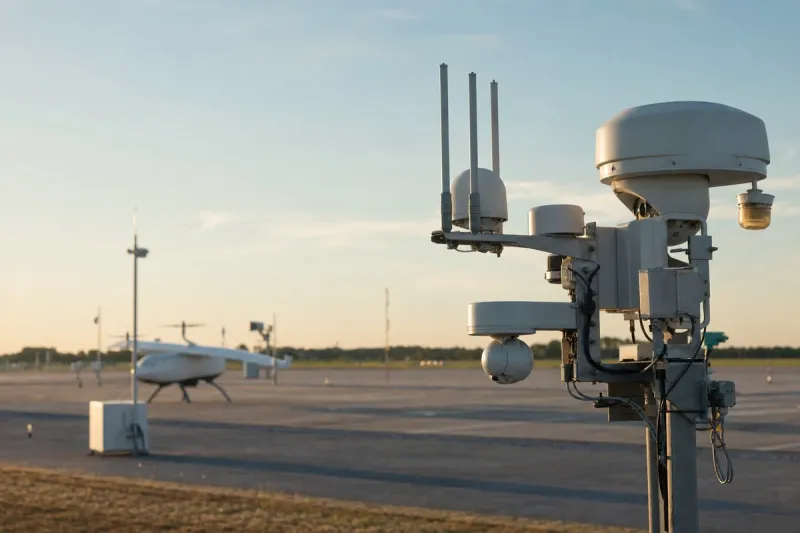
The National Transportation Safety Board concluded that GPS-based ADS-B technology, had it been installed on both aircraft, would have given pilots nearly a minute of advance warning before the collision. The U.S. government has admitted liability in a wrongful-death lawsuit, calling the crash a "wholly avoidable tragedy." Kristen Miller, whose brother Dustin Miller, an IT professional from El Dorado, Kansas, was among the 67 victims, said she is "deeply frustrated by the continued gridlock" and that aviation safety should not be a partisan issue.
Industry impact & what to watch
This case shows how a single disputed carve-out, here the exemption for military aircraft on special missions near Washington, can hold up a nationwide equipment mandate even after a regulator identifies the exact gap that contributed to a fatal collision. Airspace shared by military and civilian traffic depends on both sides broadcasting compatible position data, and a mandate that exempts one category of flights leaves the same blind spot the NTSB flagged.
Congressional negotiation over safety mandates of this kind typically turns on cost and operational-security objections from the agency whose aircraft would be covered, in this instance the Pentagon reversing its earlier position on budgetary and security grounds. That dynamic can keep a technically settled fix, ADS-B carriage, unresolved for years after the underlying investigation is complete.
The outcome now depends on whether House and Senate staff can reconcile the special-mission exemption Graves' bill contains with the universal 2031 deadline the Senate version sets, before Graves' retirement in January changes who leads the House committee's position.