Both Pilots Killed as Air Canada Regional Jet Collides with ARFF Vehicle on Landing at LaGuardia Airport
Why It MattersA runway collision involving a firefighting vehicle underscores how ground-vehicle and aircraft movement coordination on active runways remains a critical safety margin at busy commercial airports.
What happened
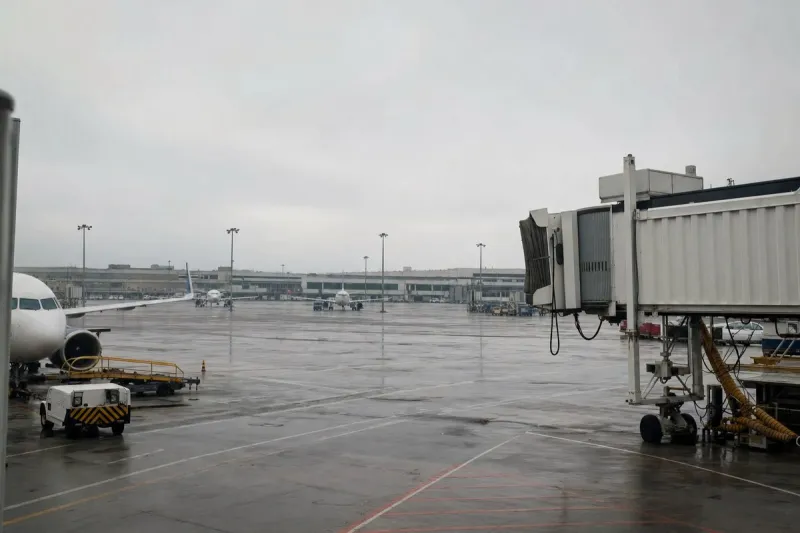
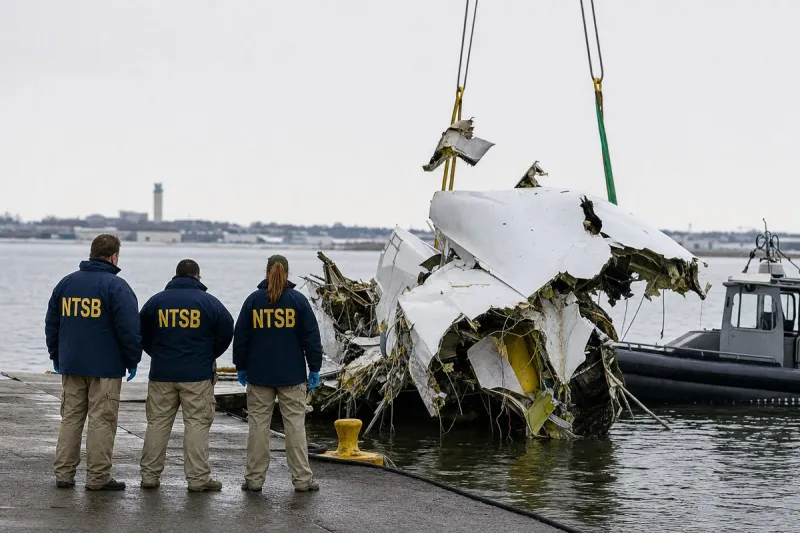
Jazz Aviation LP flight 646, operating as Air Canada flight 8646, collided with an Oshkosh Striker 1500 aircraft rescue and firefighting vehicle designated Rescue 35 while landing on runway 4 at LaGuardia Airport in New York, on March 22, 2026, at 2337 eastern daylight time. The aircraft, an MHI RJ Aviation CL-600-2D24 (CRJ-900) registered C-GNJZ, sustained substantial damage.
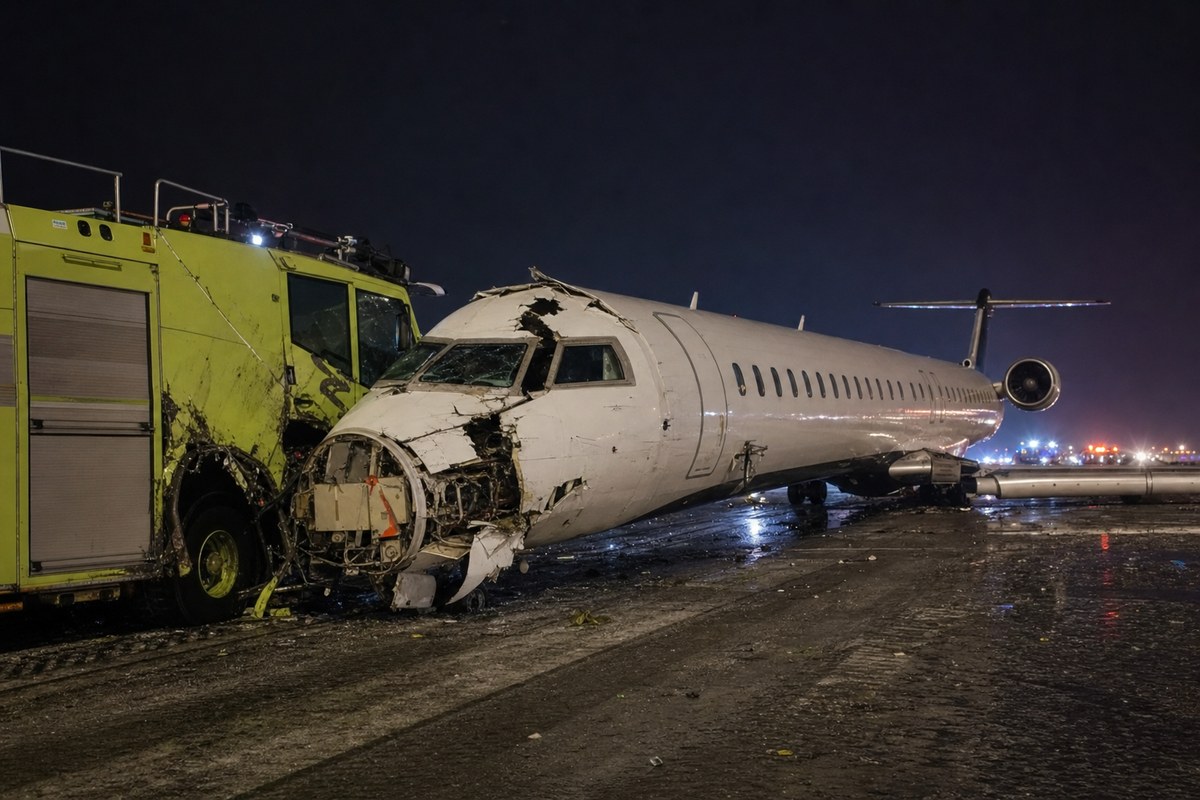
The captain and first officer were both fatally injured. Of the 2 flight attendants, 72 passengers, and 2 ARFF vehicle crew members on board or present, 39 were transported to local hospitals, with 6 reported.
Industry impact & what to watch
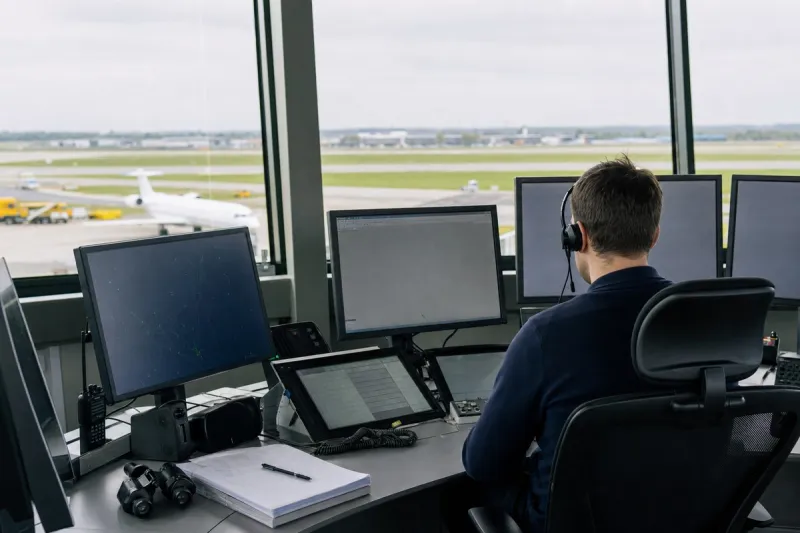
A collision between a landing airliner and an ARFF vehicle on an active runway points to a breakdown somewhere in the sequence of runway occupancy, vehicle movement authorization, or communication between air traffic control and ground vehicles — categories investigators typically examine after this type of event. Runway incursions involving support vehicles are a recognized hazard category at busy commercial airports, where aircraft, service vehicles, and emergency equipment all require coordinated clearance to occupy the same surface.
The investigation into the sequence of clearances and vehicle positioning at the time of the collision will determine what changes, if any, are warranted for procedures governing ARFF vehicle movement on active runways at LaGuardia and comparable airports. Findings from the National Transportation Safety Board will carry the most weight in establishing what occurred and whether wider procedural or infrastructure changes follow.