CBP Reimbursable Services Program: What Corporate Flight Departments Must Know Before Flying Into the U.S.
Why It MattersThe layered CBP approval process adds a compliance step that corporate flight departments must plan for well ahead of international arrivals at executive airports.
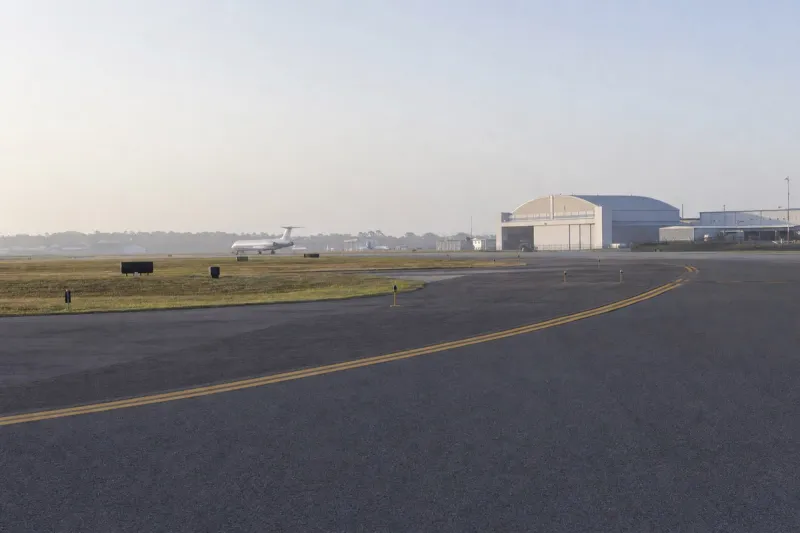
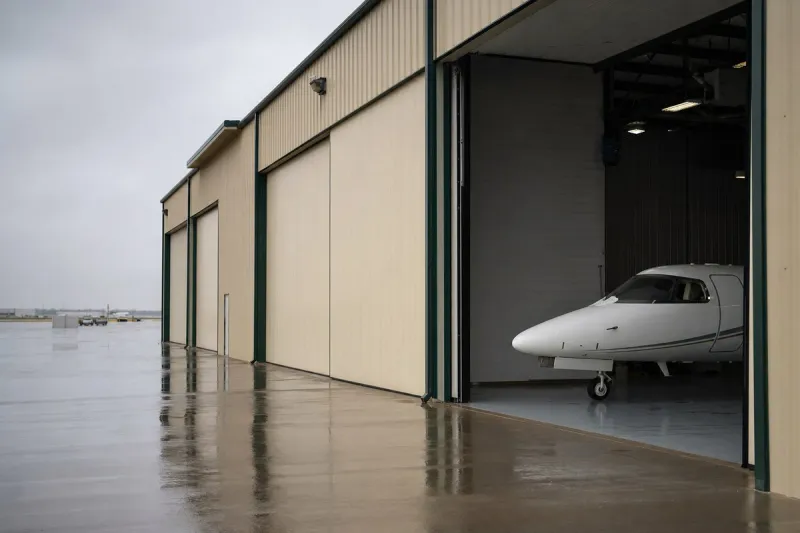
Corporate flight departments flying international arrivals into the United States may need to navigate the U.S. Customs and Border Protection (CBP) Reimbursable Services Program (RSP), a separate process from eAPIS filing and landing rights. RSP is a public-private partnership letting organizations reimburse CBP for services beyond what is normally available at an airport, such as after-hours coverage; Miami-Opa Locka Executive Airport (KOPF) is one airport where it may apply. RSP, eAPIS, and landing rights are three distinct processes, and having one in place does not substitute for another.

CBP evaluates RSP agreement applications three times per year, in March, July, and November, without publishing a standard approval timeline, and a single application can cover up to 10 ports of entry though CBP assesses each airport individually. At KOPF, current operational experience indicates at least 72 hours' notice is required for RSP-supported service, with schedule changes needing immediate communication since even a few hours' adjustment can affect officer shifts and transportation.
Planning estimates may include approximately $180 to $210 per officer per hour, with smaller airports potentially adding a 15% administrative fee plus transportation and salary costs, though CBP must confirm the actual amount for any specific operation; willingness to pay does not guarantee resources will be made available. A recent operation at KOPF showed the risk of miscommunication, as CBP confirmed a request was in its system but did not issue formal approval, partly because the operator had made multiple prior cancellations and CBP sought confirmation of a specific date first.