Hyde County Paramedic Becomes First in U.S. to Fly eVTOL to Live 911 Calls; Supreme Court Refuses Air Ambulance IDR Appeal
Why It MattersWhen a payer's obligation to pay an IDR award cannot be enforced through a private lawsuit, providers are left leaning on regulatory remedies that carry weaker teeth than a court judgment.
What happened
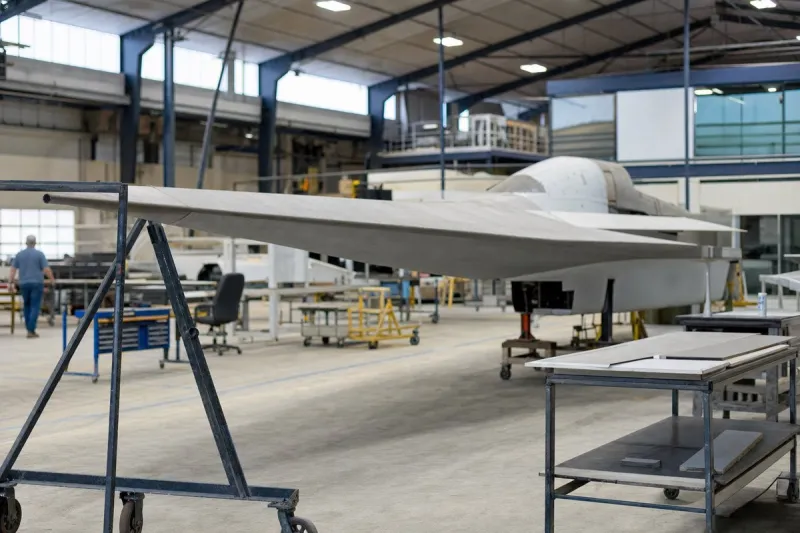
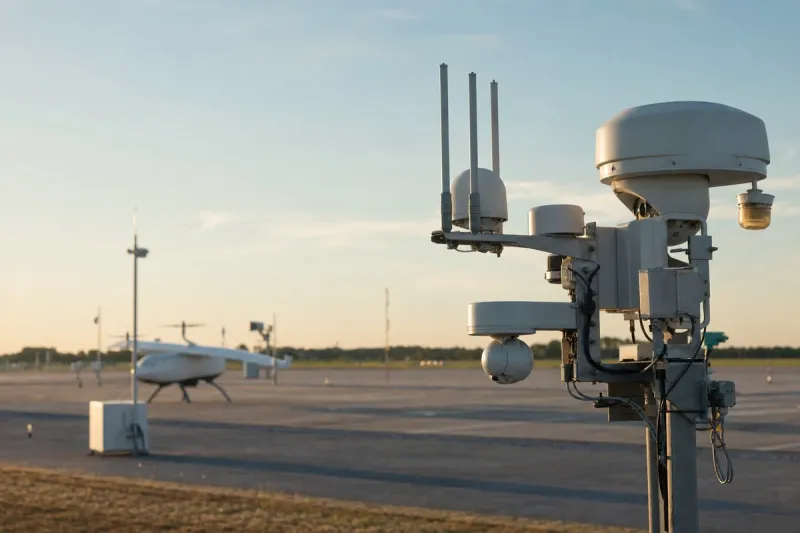
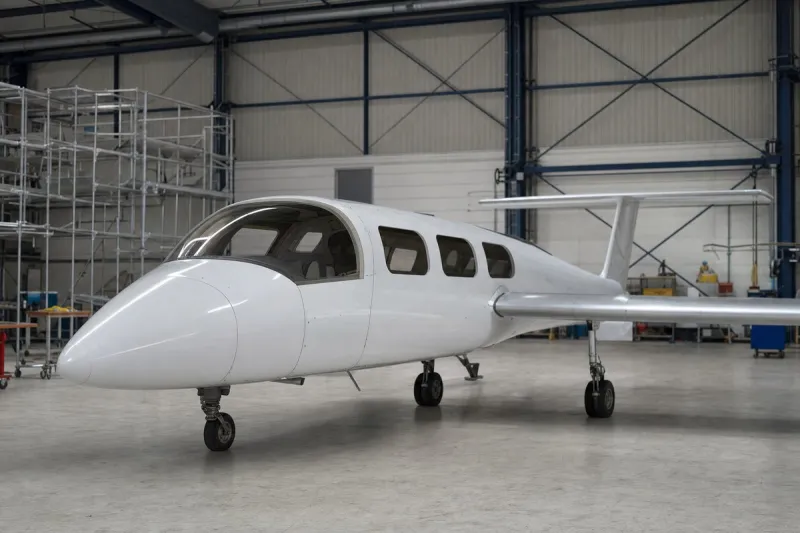
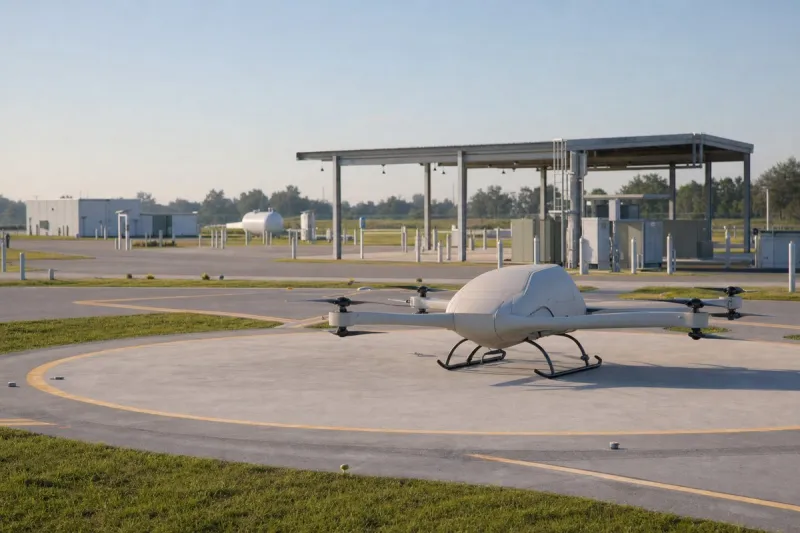
A flight-trained paramedic in Hyde County, North Carolina, flew a Pivotal BlackFly eVTOL aircraft to two live 911 emergency scenes in August 2026, reaching each call approximately 20 minutes ahead of ground ambulances across the county's 1,500 square miles of swampy terrain and barrier islands. The single-passenger electric aircraft carried advanced life support equipment used to stabilize one diabetic emergency patient and one cardiac emergency patient. The deployment marks the first use of an eVTOL in live U.S. emergency response, and the Pivotal BlackFly qualifies as an ultralight aircraft under FAA rules.
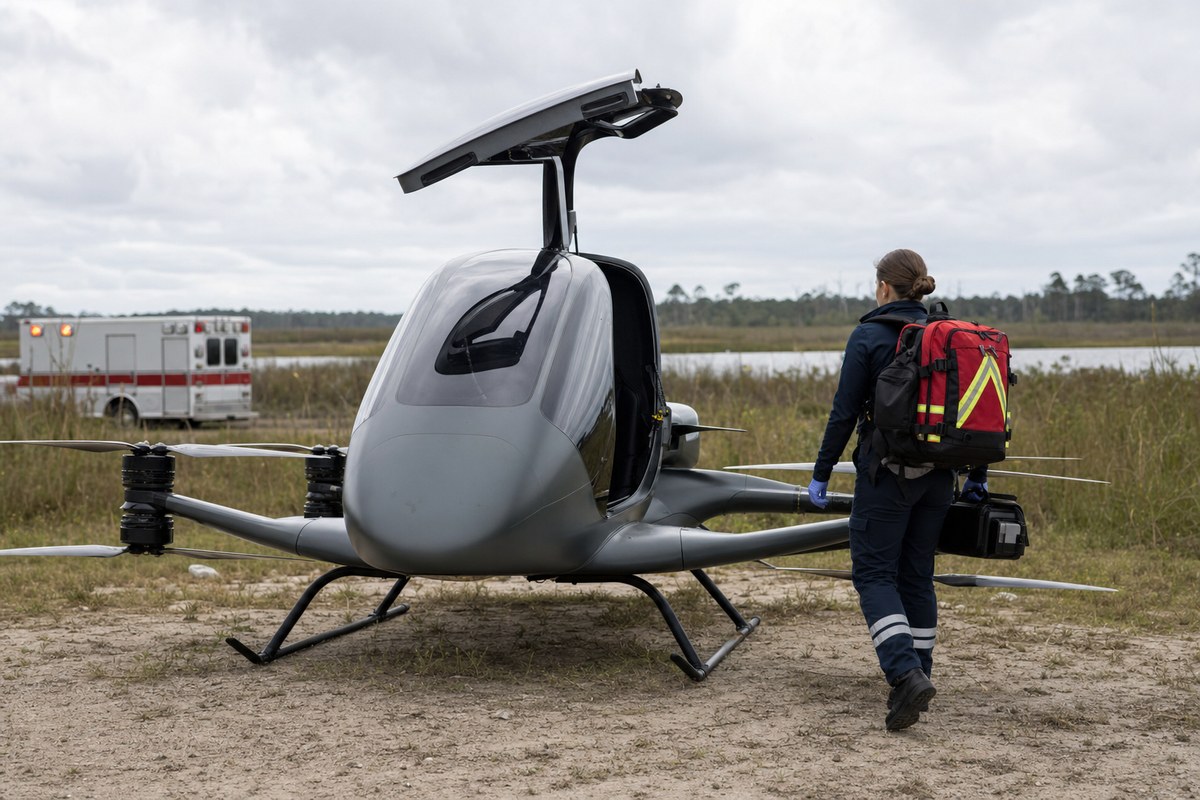
Separately, the U.S. Supreme Court in January 2026 declined to hear an appeal by Guardian Flight and Med-Trans Corporation challenging a Fifth Circuit ruling that air ambulance providers lack a private right of action to sue insurers under ERISA for unpaid Independent Dispute Resolution awards issued under the No Surprises Act. Air ambulance providers win approximately 85-87 percent of IDR disputes; the mean qualifying payment amount is $15,561, while the mean winning provider offer is $32,463.
On the network side, VCU Health LifeEvac opened its fifth base in South Hill, Virginia, in February 2026, serving rural Southside Virginia communities near the North Carolina state line. The base is staffed by eight rotating flight nurses and flight paramedics and carries ICU-level life-support technology, with Med-Trans Corporation supplying pilots and maintenance under contract; ground transport to Level I trauma centers from the area can exceed 90 minutes. In Germany, ADAC Luftrettung and DRF Luftrettung, which together operate more than 100 helicopter bases nationwide, are navigating cost pressures in a system funded by auto-club memberships, donations, and state reimbursements, with the Airbus H145 dominating both fleets.
Industry impact & what to watch
The Hyde County flights sit inside a wider pattern of air medical operators adding capacity to rural areas where ground transport to trauma centers runs long, whether through a new base like South Hill or an aircraft class, the ultralight eVTOL, that sidesteps normal certification timelines. Both cases turn on the same problem: covering wide, sparsely served ground with a faster asset than the ambulance already on the road.
The Supreme Court's refusal to intervene leaves the Fifth Circuit's ERISA reading in place, which matters because it determines whether a favorable IDR award actually converts into cash. Winning 85-87 percent of disputes with a mean award of $32,463 against a mean qualifying payment of $15,561 is only valuable to a provider if the award is collectible; without a private right of action, providers must rely on other enforcement paths to make insurers pay.
What happens next in each thread runs on different clocks. Whether the Hyde County program expands past two calls, or other rural counties adopt an ultralight eVTOL for first response, will show whether the aircraft class scales beyond a single trained paramedic. On the payment side, watch whether providers or regulators pursue an alternative enforcement mechanism now that the ERISA route is closed, and whether unpaid IDR awards accumulate as a result.