Naples Airport deploys Frequentis smartATIS system to automate real-time weather and runway broadcasts to pilots
Why It MattersAutomating routine information broadcasts lets controllers redirect attention toward aircraft operations, a shift that reduces frequency congestion and standardizes safety-critical data across busier general-aviation fields.
What happened
Naples Airport has adopted the Frequentis smartATIS system to automatically generate and broadcast real-time weather data and airfield information to arriving and departing pilots. The system replaces a process in which air traffic controllers manually recorded and updated Automatic Terminal Information Service (ATIS) messages every hour.

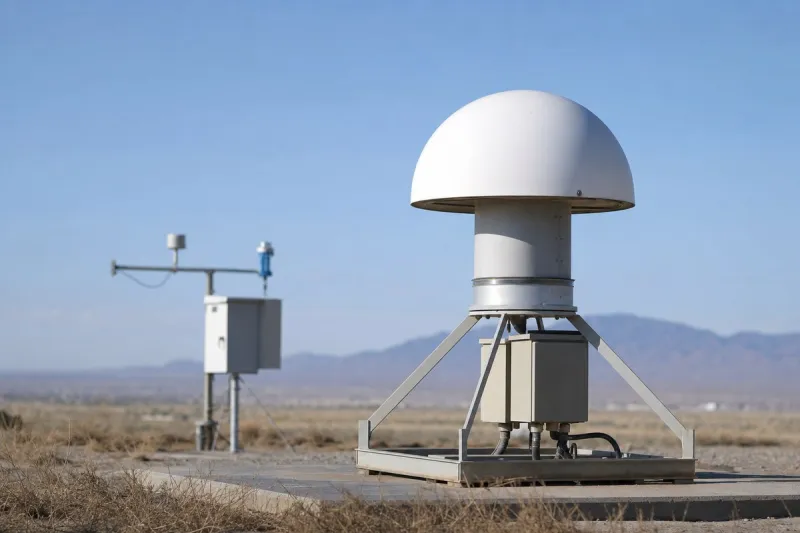
smartATIS draws weather data directly from the Airport Surface Observing System (ASOS) and incorporates operational updates entered by controllers, including runway configurations, taxiway closures, construction activity and wildlife advisories. Messages are updated at least once per hour and more frequently as conditions change, and controllers can generate a new broadcast with a single button press instead of re-recording voice announcements manually.
Todd Colvin, air traffic manager at Naples FCT, the FAA-approved contractor providing air traffic control services at Naples Airport, said smartATIS has significantly reduced the time spent recording and updating ATIS broadcasts, eliminating the need to manually record and re-record voice announcements every hour while reducing controller workload during busiest periods. Stefan Galler, vice president at Frequentis USA, said the adoption highlights how automation can improve both efficiency and safety, allowing controllers to focus on aircraft operations while ensuring pilots receive accurate, timely information. The Naples Airport Authority funded the installation, receives no local taxpayer support for operations, and funds itself primarily through fuel sales, hangar leases and other user-based services. Naples Airport recorded 125,926 total aircraft operations in 2025, and the Florida Department of Transportation has estimated the airport's annual economic impact at $781 million.
Industry impact & what to watch
This installation belongs to a broader move at general-aviation airports to automate routine controller tasks that otherwise consume time during peak traffic periods. ATIS recording has long been a manual, repetitive duty, and shifting it to an automated system frees controller attention for aircraft separation and sequencing instead of voice announcements.
Because pilots must access ATIS information before contacting the tower, faster and more consistent broadcasts also cut radio frequency congestion, a factor that matters most during busy arrival and departure banks. Airports funded through user fees, as Naples is, weigh such investments against operational payoff, and the described consistency and workload reduction are the stated basis for this one.
What happens next is whether other user-funded general-aviation airports facing similar traffic volumes adopt comparable automated ATIS systems, and whether Frequentis or the Naples Airport Authority report measurable effects on controller workload or frequency congestion following continued use.