FAA Adopts Air Force Categorical Exclusion to Streamline Environmental Review for High-Altitude Supersonic Flight Testing
Why It MattersThe exemption could shorten environmental clearance timelines for supersonic test programs, supporting faster development cycles as the FAA advances broader overland supersonic rulemaking.
The Federal Aviation Administration published a notice on August 24, 2026 adopting a U.S. Air Force categorical exclusion covering certain high-altitude supersonic flight operations, letting the agency forgo a full environmental assessment or environmental impact statement when reviewing special flight authorization applications under 14 CFR § 91.818. The exclusion applies to supersonic operations over land at or above 30,000 feet mean sea level, or over water at or above 10,000 feet MSL and more than 15 nautical miles from land; the FAA said it expects to invoke it for qualifying test applications unless extraordinary circumstances require further analysis. The adoption does not amend 14 CFR §§ 91.817 or 91.818, an SFA is still required for civil supersonic flight, and operations below those altitude and distance thresholds still require an EA, EIS or other environmental documentation; because it is not a rulemaking, no public comment period applied and the exclusion is available for immediate use.
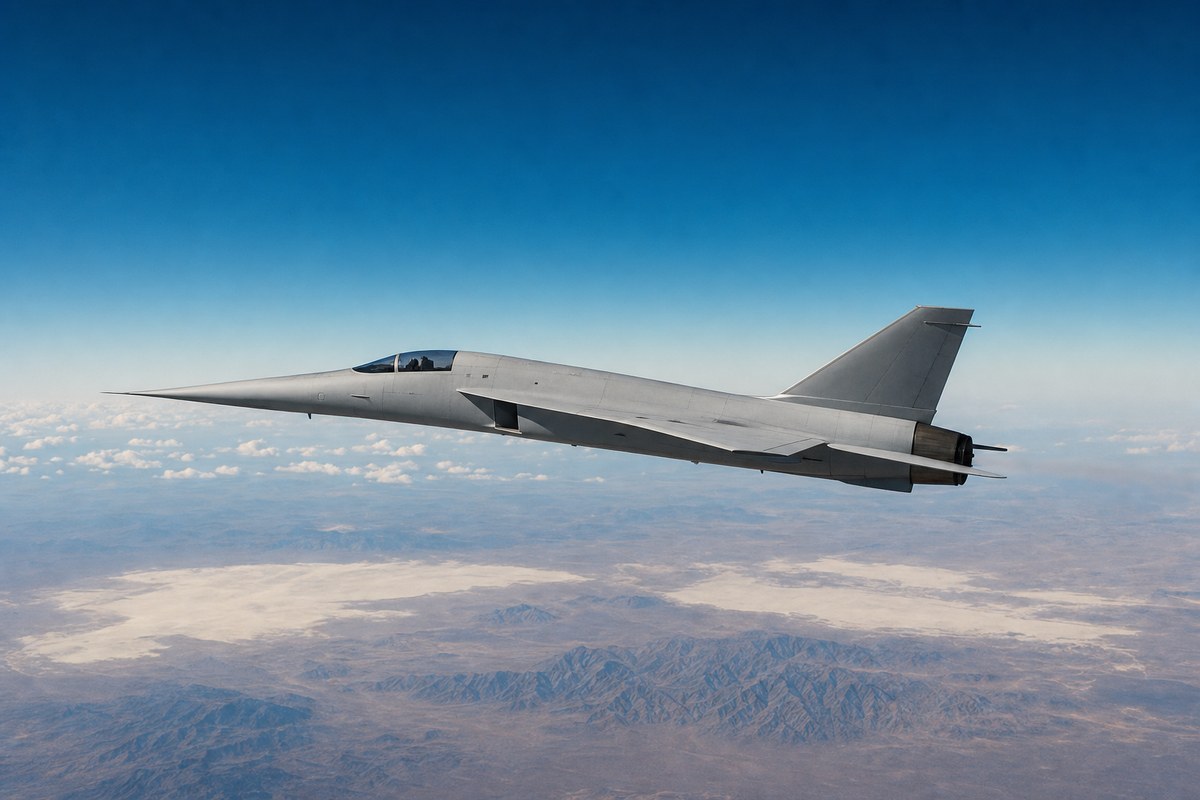
The FAA described the action as its first publicly announced use of Section 109 of NEPA through a Federal Register notice, advancing Executive Order 14304, "Leading the World in Supersonic Flight," signed June 6, 2025, which directed the FAA to repeal the overland supersonic prohibition in § 91.817 within 180 days. Separately, the FAA's Notice of Proposed Rulemaking "Enabling Supersonic Overland Flight," issued July 2, 2026, would eliminate the civil supersonic prohibition and allow overland supersonic flight without an SFA when sonic boom overpressure at the surface does not exceed 0.11 pound per square foot; its comment period closed August 17, 2026 with 488 comments posted to the docket as of August 24, 2026.
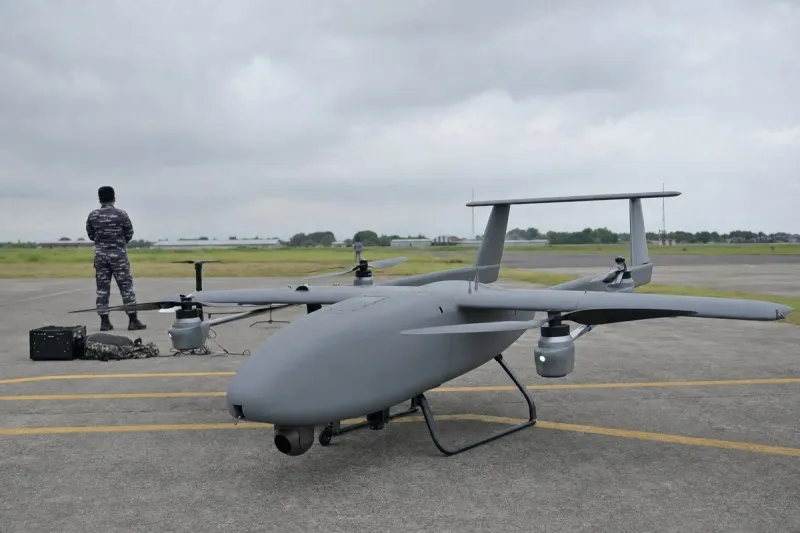
Past SFA reviews illustrate the time savings the exclusion could provide: Boom Supersonic petitioned the FAA in March 2023 for up to 20 supersonic test flights of its XB-1 aircraft over Edwards Air Force Base at or above 30,000 feet MSL, and the FAA completed an environmental assessment with a finding of no significant impact on February 29, 2024, with the SFA becoming effective April 7, 2024, more than a year after the petition. Hermeus petitioned the FAA in January 2026 to conduct up to seven supersonic test flights of the Quarterhorse Mark 2.1 unmanned aircraft system over White Sands Missile Range.