EVA Air, AIT, and Microsoft Expand Sustainable Aviation Fuel Agreement Using UCO-Based Fuel
Why It MattersCorporate Scope 3 accounting is emerging as a demand driver for SAF, pushing carriers to pair fuel supply deals with credit-tracking registries that let customers claim verified emissions reductions.
What happened
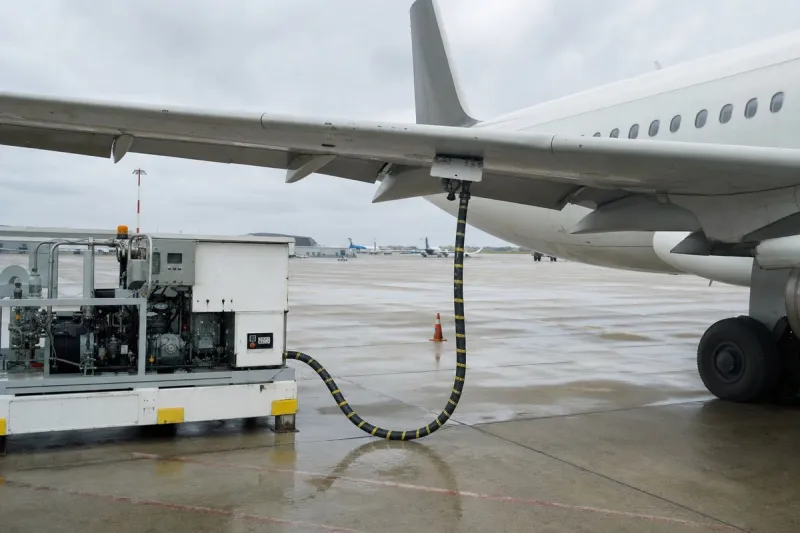
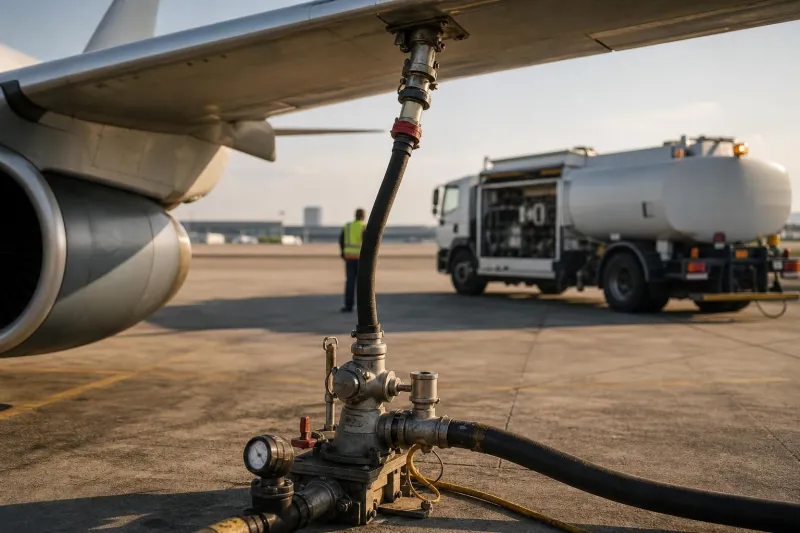
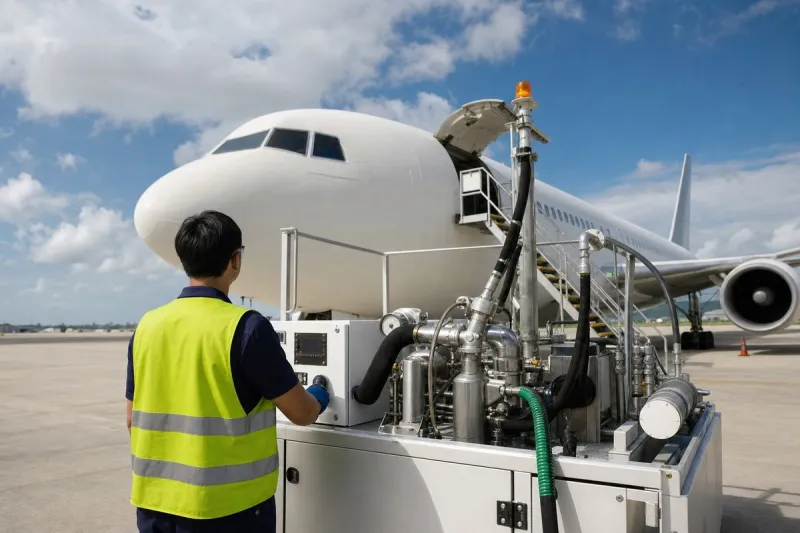
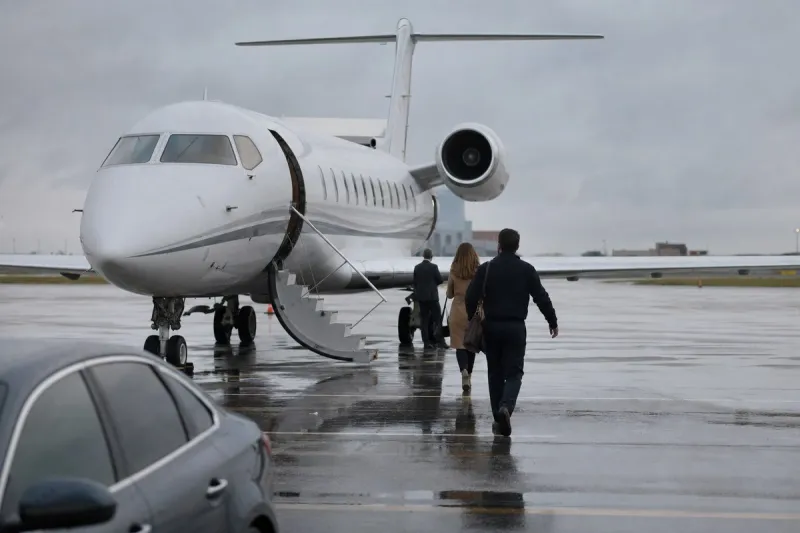
EVA Air, AIT, and Microsoft have expanded their sustainable aviation fuel agreement, with flights departing from Taiwan now using SAF supplied by Formosa Petrochemical Corporation (FPCC). The fuel is derived from used cooking oil and certified under the International Sustainability and Carbon Certification system, which verifies that both feedstock and production processes meet its sustainability standards.

The environmental benefits of the SAF will be tracked and retired through the ISCC Credit Transfer System, a registry that monitors sustainability attributes. This mechanism enables Microsoft to account for Scope 3 emissions reductions associated with its air freight operations. SAF produced from used cooking oil can reduce lifecycle greenhouse gas emissions by approximately 80% compared to conventional jet fuel.
Clay Sun, President of EVA Air, highlighted the importance of cross-sector collaboration in achieving net-zero aviation, noting that aligning customer demand with industry capabilities can accelerate SAF market development. He expressed optimism about expanding partnerships to establish lower-carbon air transportation as a global supply chain standard.
Industry impact & what to watch
This deal shows how SAF adoption is increasingly financed by corporate emissions accounting rather than by airline economics alone: a technology buyer's need to report Scope 3 reductions on its freight footprint becomes the demand signal that justifies a supplier and an airline committing to a specific fuel stream out of a specific country.
Credit transfer registries like the ISCC system are what make this work at scale, because they let the environmental attribute of the fuel be separated, tracked, and retired against a specific customer's ledger independent of which physical flight burned it. That structure is what allows a cargo customer to claim a reduction tied to Taiwan-origin flights without needing to control routing or scheduling itself.
The stated obstacles are the ones that will determine whether this scales beyond a single corridor: production cost, the logistics of scaling used-cooking-oil supply, and regulatory alignment across the jurisdictions FPCC, EVA Air, and Microsoft each operate under. Whether other shippers follow Microsoft's lead will depend on whether similar credit-transfer arrangements become available on more routes and with more fuel suppliers.