Air Charter Safety Foundation Releases Three ASAP Case Studies for August 2026
Why It MattersThese self-reported cases show that safety programs depend on cross-checking maintenance releases and approach procedures at the individual work-order and cockpit level, not just system-level indicators.
What happened
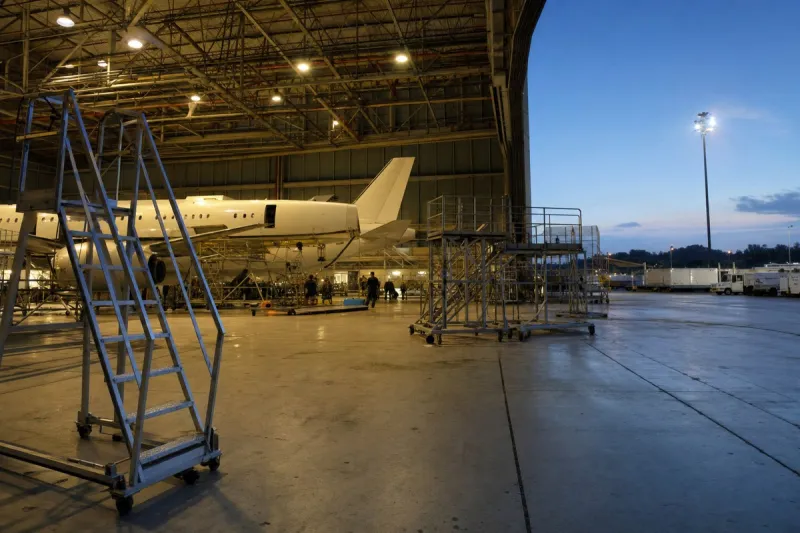
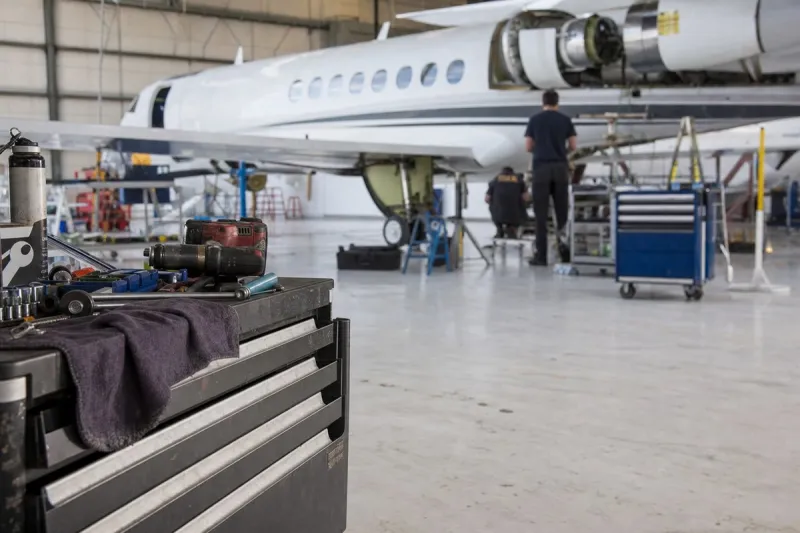
The Air Charter Safety Foundation released three Aviation Safety Action Program case studies for August 2026, each detailing a distinct safety event. The first involved an aircraft that departed a maintenance vendor with an Airworthiness Directive still outstanding, after an updated due list was never reconciled against the active work order during a scheduled inspection. The Computerized Aircraft Maintenance Program flagged the aircraft as unairworthy prior to departure, but no maintenance personnel verified the required work before releasing it, and the aircraft completed a passenger-carrying flight before a routine review confirmed the Airworthiness Directive had never been accomplished. The Airworthiness Directive was performed upon completion of that flight.

The second case involved a flight crew executing the ILS Z Runway 6 approach at Teterboro Airport who failed to cross the fix DANDY at its required altitude of 1,300 feet AMSL. The Pilot in Command intercepted the ILS glide slope at or near the earlier fix VINGS while level at 2,000 feet, then tracked the glide slope down rather than meeting the mandatory crossing restriction at DANDY, crossing that fix at approximately 1,470 to 1,480 feet AMSL while still descending. Tower advised the crew of the deviation and reiterated the landing clearance, and the aircraft landed without incident.
The third case involved a pilot who began experiencing hypoxia symptoms during cruise flight at 20,000 feet en route to KDPA, despite the pressurization system appearing to function normally with a cabin altitude of 5,000 feet. Symptoms progressively worsened to include shortness of breath, difficulty focusing, finger tingling, and impaired speech and motor control. The pilot requested a lower altitude from air traffic control and was initially given 17,000 feet; after explicitly stating a suspected hypoxia condition, air traffic control declared an emergency and cleared the pilot to 8,000 feet, and an oxygen mask was donned.
Industry impact & what to watch
Each case belongs to a category the Aviation Safety Action Program is built to surface: gaps between a system check and a human verification step, whether that system is a maintenance tracking program, a published approach procedure, or a pressurization gauge. The maintenance case shows that a correct computerized unairworthy flag is only as useful as the person who reads it before releasing the aircraft. The approach case shows that intercepting a glide slope early does not excuse a crew from a mandatory altitude restriction at a named fix. The hypoxia case shows that a cabin altitude reading of 5,000 feet does not rule out physiological symptoms serious enough to warrant an emergency descent.
Voluntary safety-reporting programs like this one work by aggregating anonymized events so operators can spot where procedures break down, in this instance at the maintenance-release step, the approach-briefing step, and the recognition of hypoxia symptoms despite an apparently normal pressurization reading. The value of these case studies to other operators depends on whether they translate into revised checklist items or training scenarios rather than remaining read-once bulletins.
What happens next with each underlying event, including whether the Teterboro deviation or the hypoxia case prompted any procedural change at the operators involved, has not been disclosed in these summaries.