Airline vs. Corporate Aviation Pilot Careers: Key Differences in Pay, Schedule, and Regulations
Why It MattersPersistent pay and entry-hour gaps between airline and corporate flying continue to shape pilot supply pipelines and staffing competition across business aviation operators.
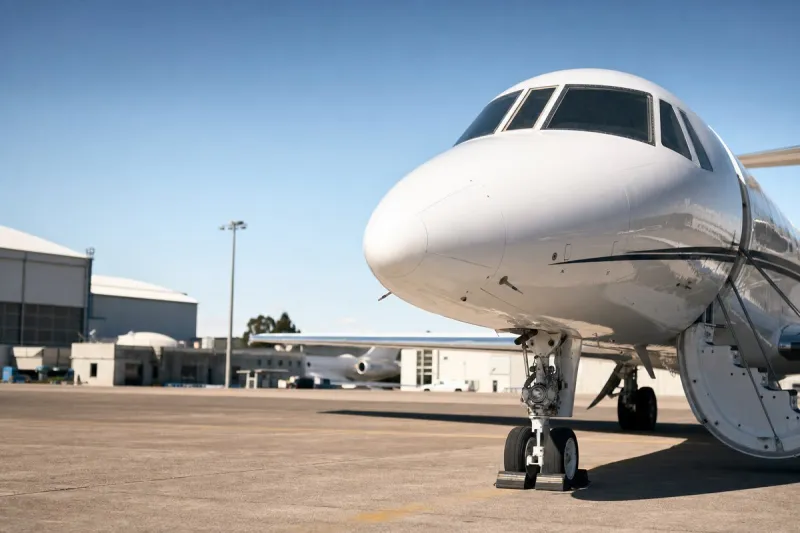
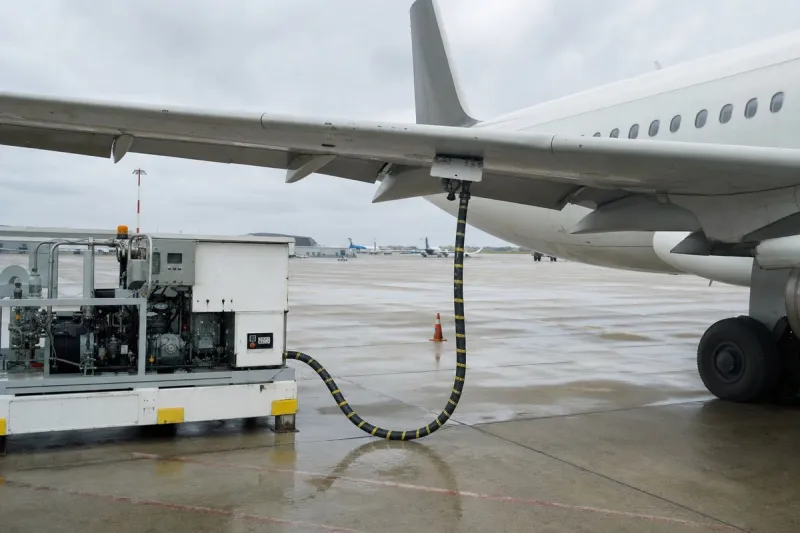
Pilots in the United States pursuing a professional flying career must choose between airline flying under FAA Part 121 rules and corporate or charter aviation under Part 135 or Part 91, both built on the same private, instrument, commercial and multi-engine training foundation but diverging in requirements, scheduling and pay. Part 121 carriers such as United Airlines, Delta and FedEx require first officers to hold an Airline Transport Pilot certificate, 1,500 flight hours and a first-class medical, while Part 135 operators allow entry as second-in-command with a commercial certificate, instrument rating and second-class medical, often before reaching 1,500 hours, giving earlier access to turbine aircraft.

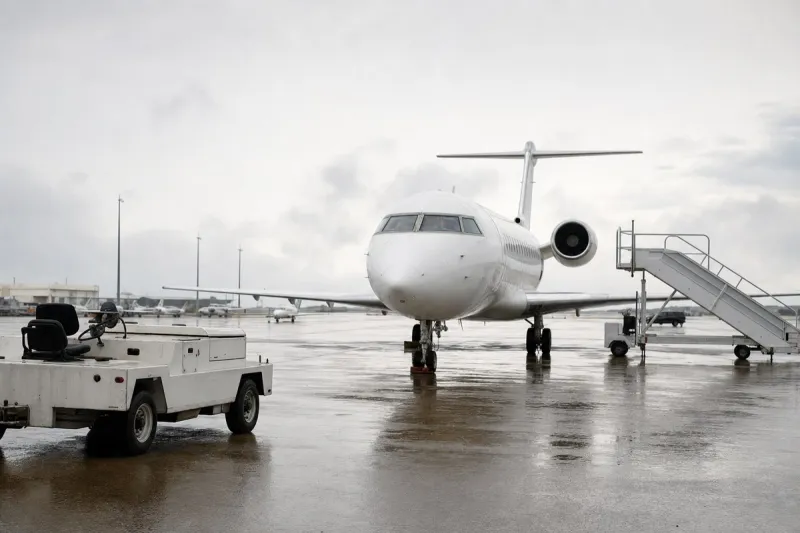
Airline pilots follow more predictable seniority-based rosters, though junior pilots spend time on reserve with limited holiday control, while corporate and charter pilots work on-demand schedules that can change on short notice but often involve closer passenger relationships and varied flying. The Bureau of Labor Statistics reported a 2024 median annual wage of $226,600 for airline pilots, copilots and flight engineers, with senior captains at major carriers earning $350,000 or more including benefits and profit sharing, versus a median of $122,670 for commercial pilots and an average private jet pilot salary around $130,000, though captains on large-cabin and ultra-long-range business jets can also reach $350,000 or more.
Phoenix East Aviation, a Part 141 flight school, offers Career Pathways for pilots targeting either sector, including the Aviate program as a pipeline to United Airlines, alongside on-campus recruiting events and networking opportunities with major airlines, private jet operators and cargo carriers.