Global eVTOL Aircraft Market Valued at USD 15.5 Billion in 2025, Projected to Reach USD 39.0 Billion by 2034
Why It MattersMarket growth is tied to certification, vertiport and charging build-out rather than aircraft supply alone, which makes ground infrastructure and regulatory progress the gating factors for regional uptake.
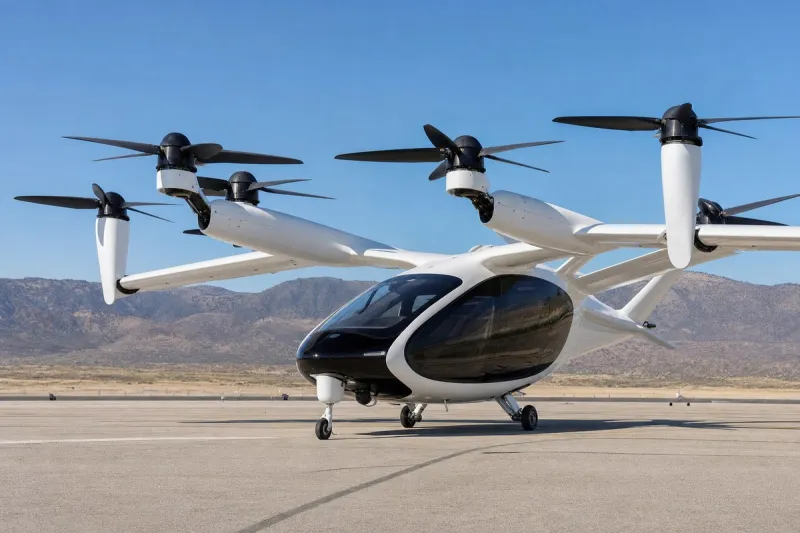
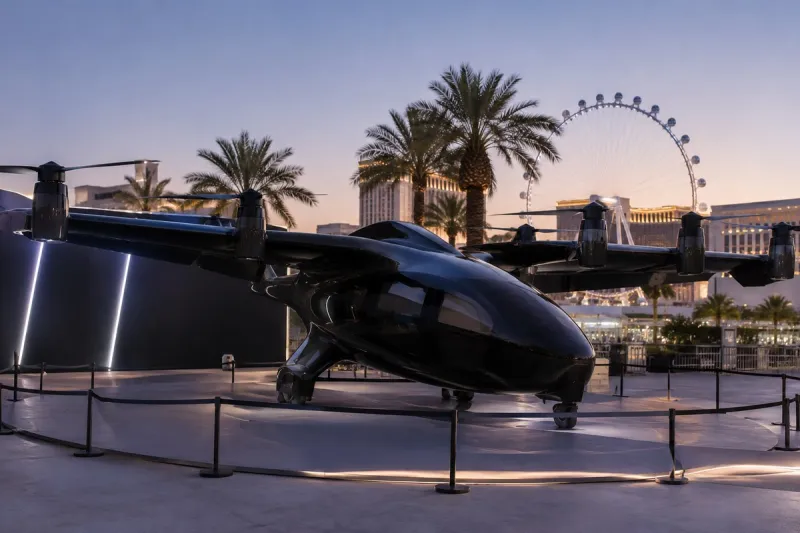
The global eVTOL aircraft market was valued at USD 15.5 billion in 2025 and is projected to reach USD 39.0 billion by 2034, a compound annual growth rate of 10.50% over 2026-2034. North America led with a 37.5% share in 2025, supported by established aviation companies, favorable government initiatives, infrastructure investment and rising demand for advanced urban transportation.
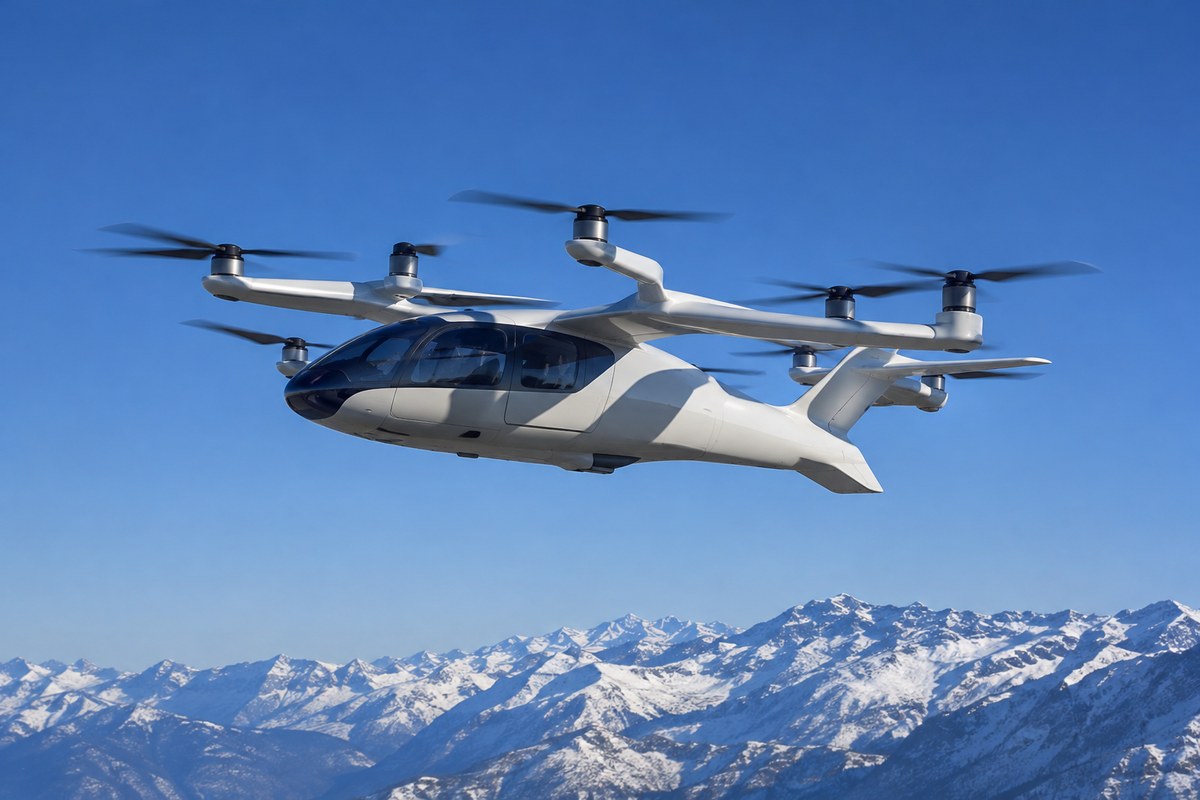
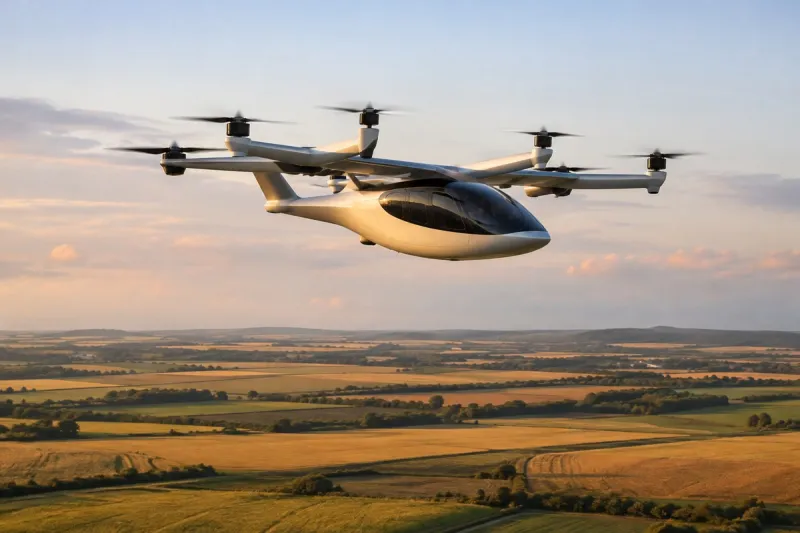
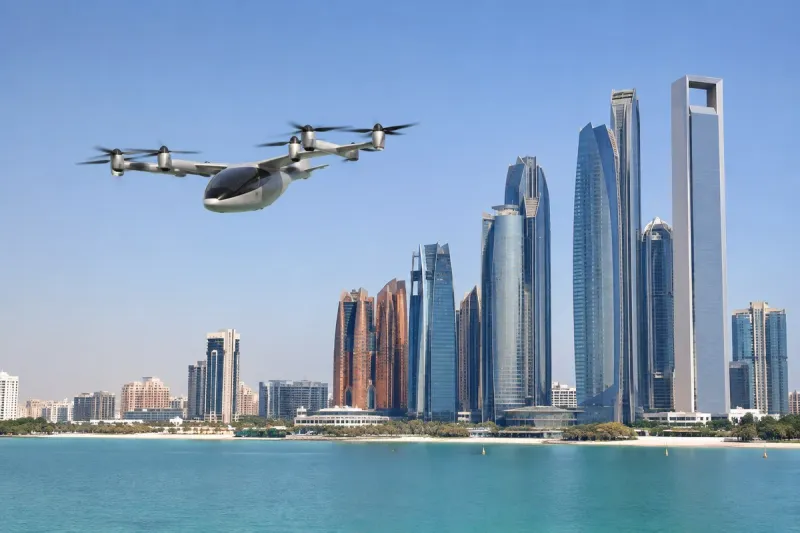
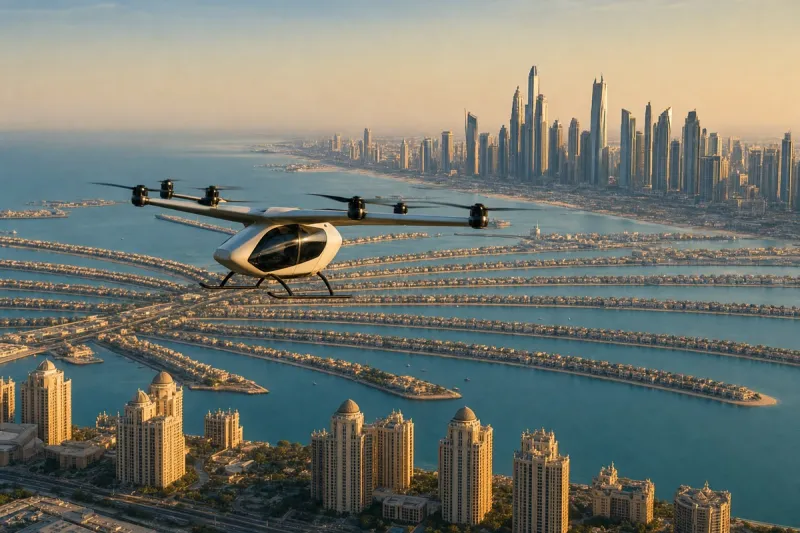
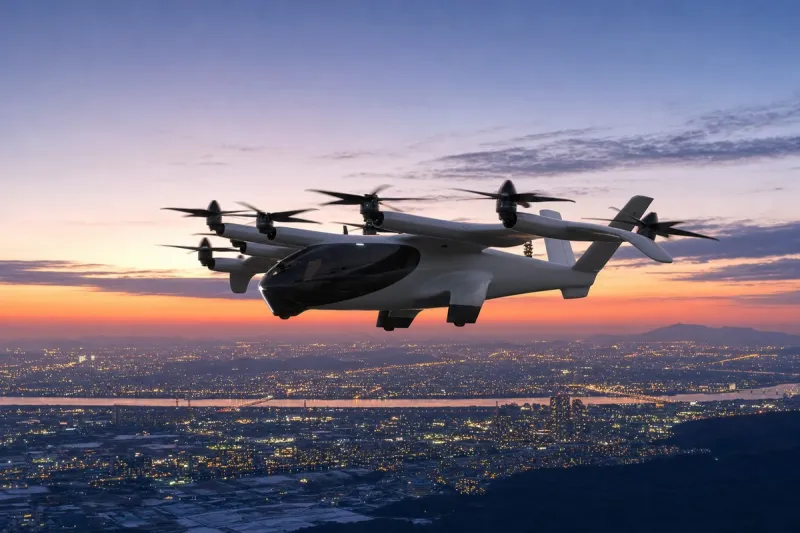
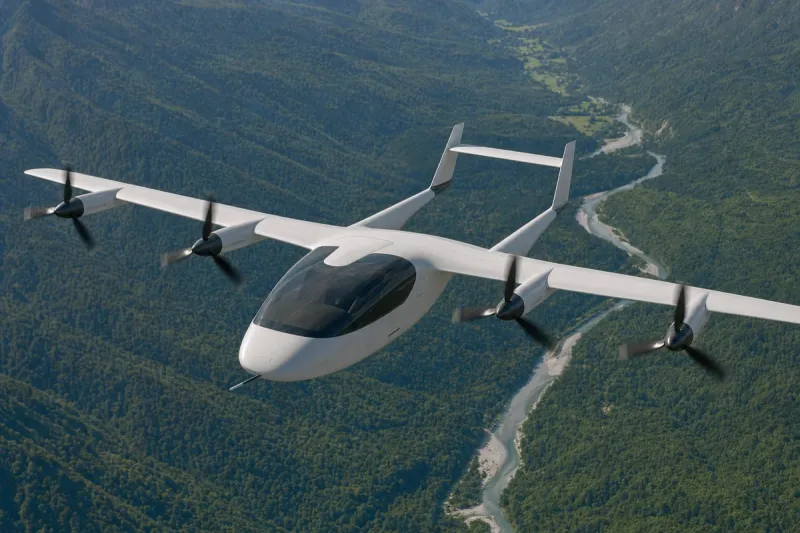
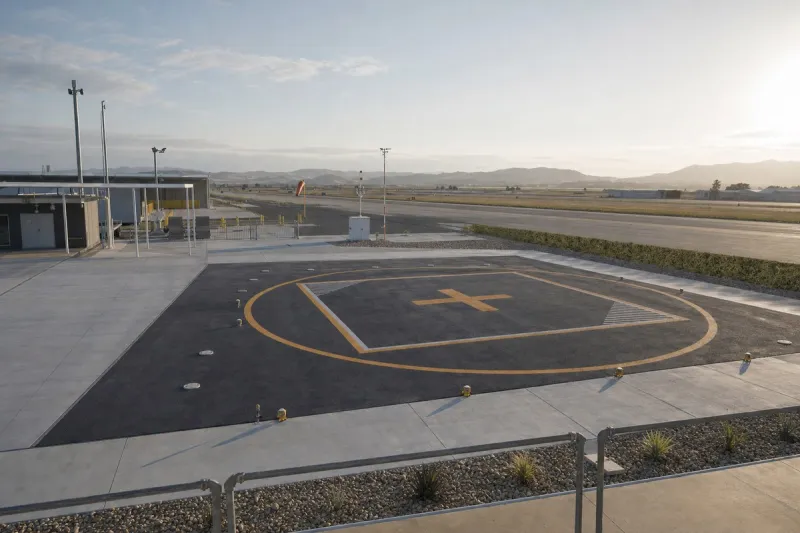
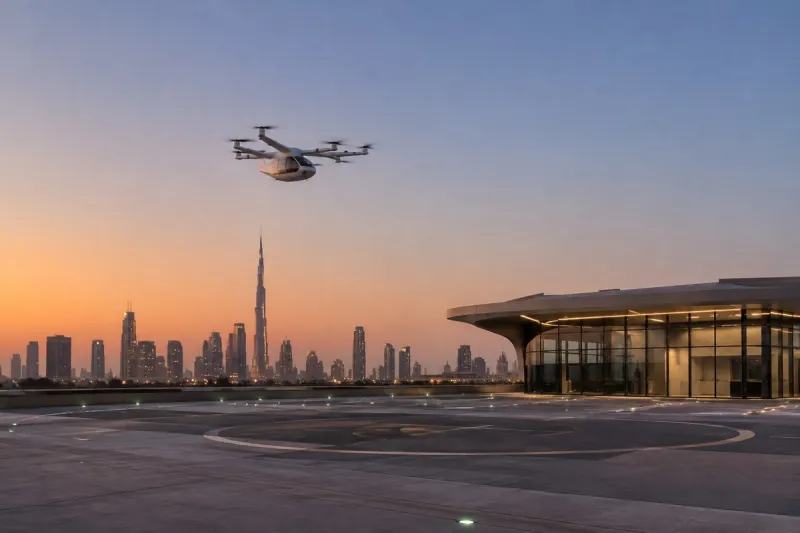
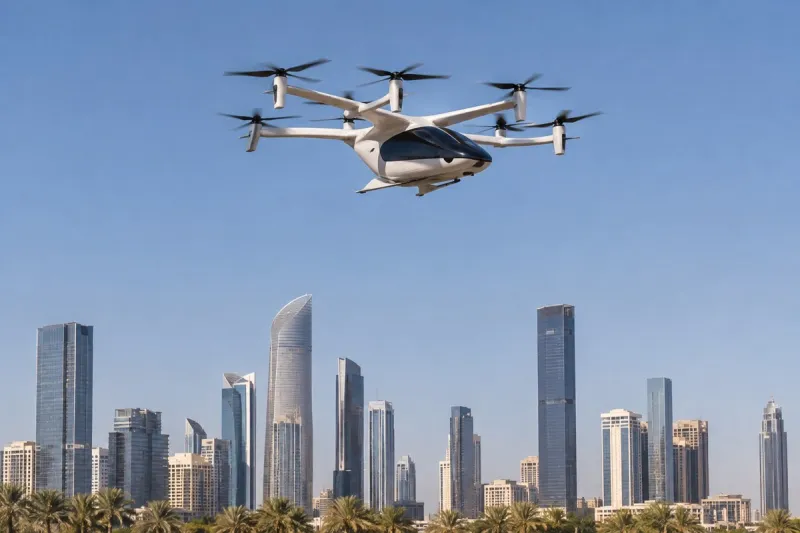
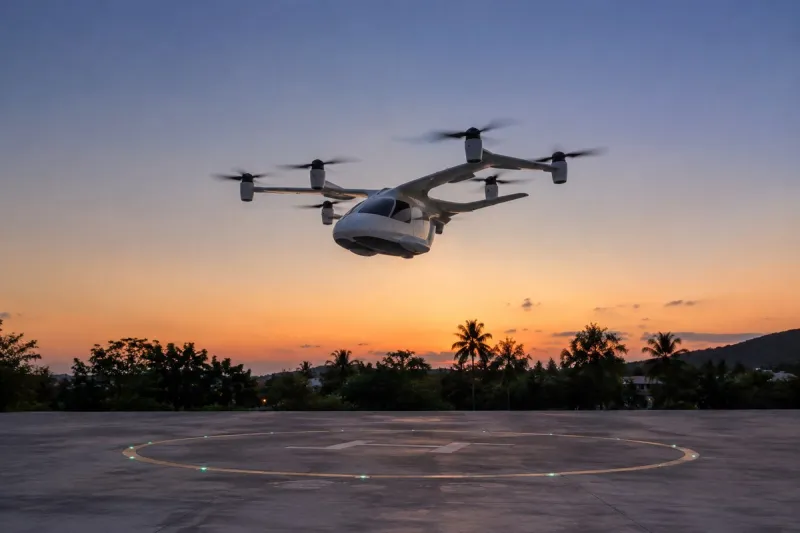
Urban congestion is cited as a significant mobility challenge worldwide, and the vertical takeoff and landing capability of eVTOL aircraft lets operators use helipads, vertiports and confined urban locations for point-to-point travel. Battery-electric platforms produce zero emissions during operation and typically generate less noise than conventional helicopters, while improvements in battery energy density, electric propulsion, aerodynamics, lightweight materials, obstacle avoidance and autonomous flight also support growth.
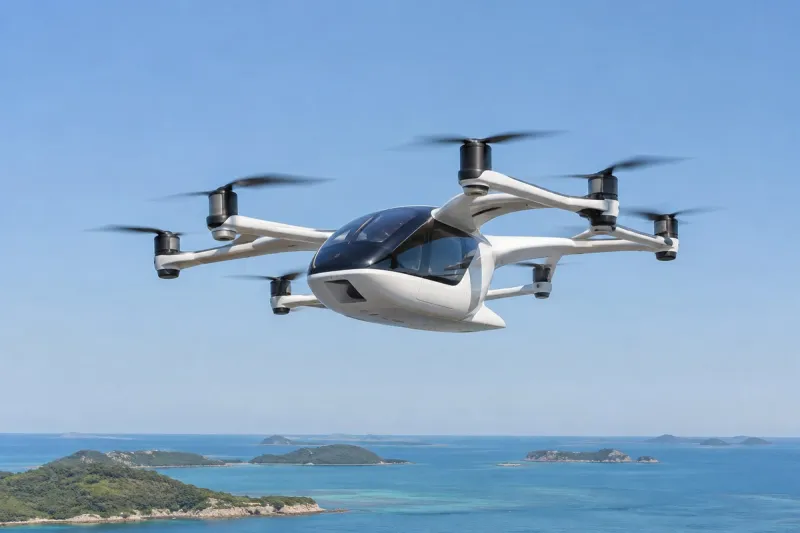
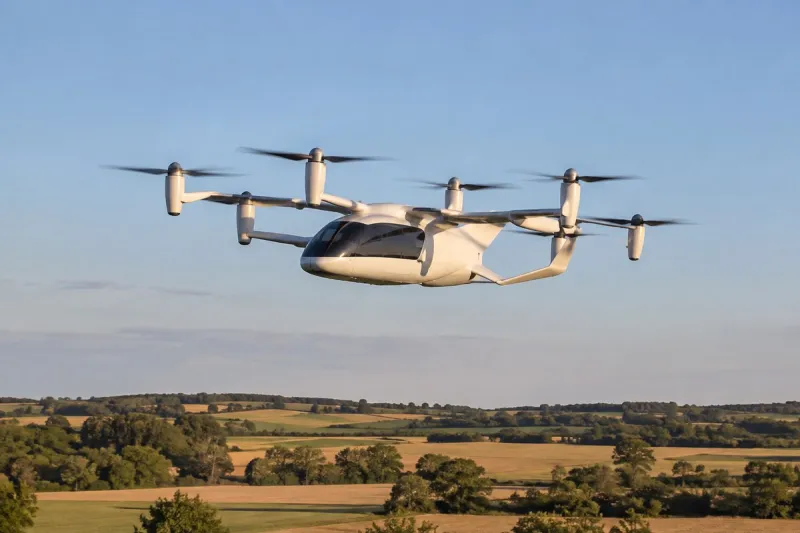
By segment, multirotor aircraft were the largest lift-technology category and semi-autonomous aircraft held the leading share by mode of operation. Aircraft under 250 kg formed the largest maximum take-off weight segment, the 200-500 km category dominated by range, and battery-electric aircraft led by propulsion type. Commercial uses, particularly air taxi and delivery drone services, generated the largest application share; military uses include cargo transport and combat missions, and emergency medical uses include air ambulance and medical cargo transport.
North America remains the leading regional market, with the United States and Canada expected to stay important. Regional development in Asia-Pacific, Europe, Latin America, and the Middle East and Africa will depend on aircraft certification, vertiport availability, charging infrastructure, public acceptance and integration with existing transportation networks.
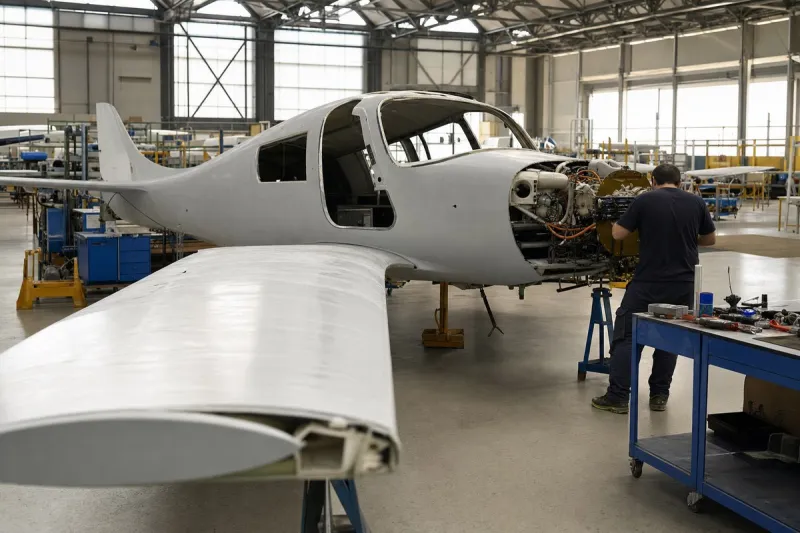
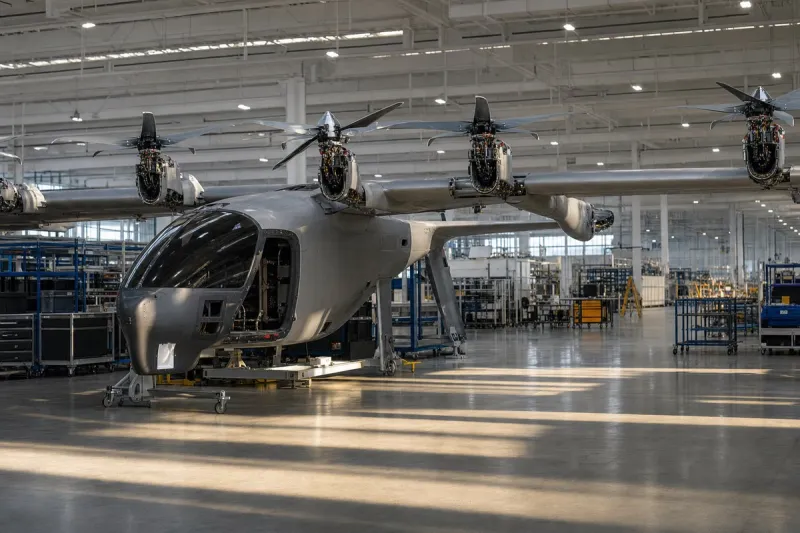
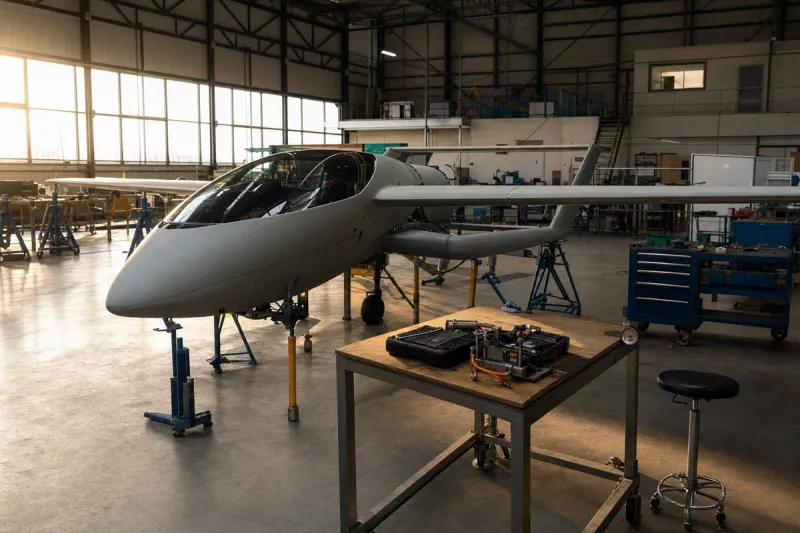
Leading eVTOL companies are investing in research and development, building prototypes, conducting flight tests and simulations, and working with aviation authorities on certification pathways, while industry participants support development of vertiports, charging stations and ground support equipment. Companies profiled include Airbus SE and Archer Aviation Inc.