NBAA Report: FBOs Weigh SAF, Electric Charging and Unleaded Avgas as Jet A Remains Dominant
Why It MattersFBO energy investment is likely to follow customer demand rather than lead it, with Jet A staying dominant until SAF supply, electric aircraft readiness and unleaded fuel standards mature.
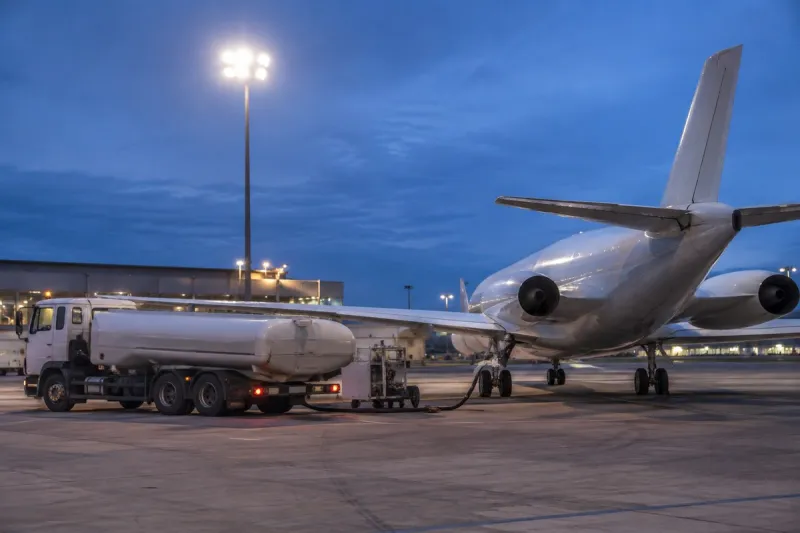
The National Business Aviation Association (NBAA) examined how fixed-base operators (FBOs) are preparing for new energy sources in the November/December 2026 edition of Business Aviation Insider. Clay Lacy Aviation and Michigan-based fuel supplier Avfuel are among the companies preparing for the transition, against the industry's goal of net-zero carbon emissions by 2050. Most FBOs still depend on Jet A, while sustainable aviation fuel (SAF) is available at selected locations; limited supply, costs and policy uncertainty constrain broader adoption.
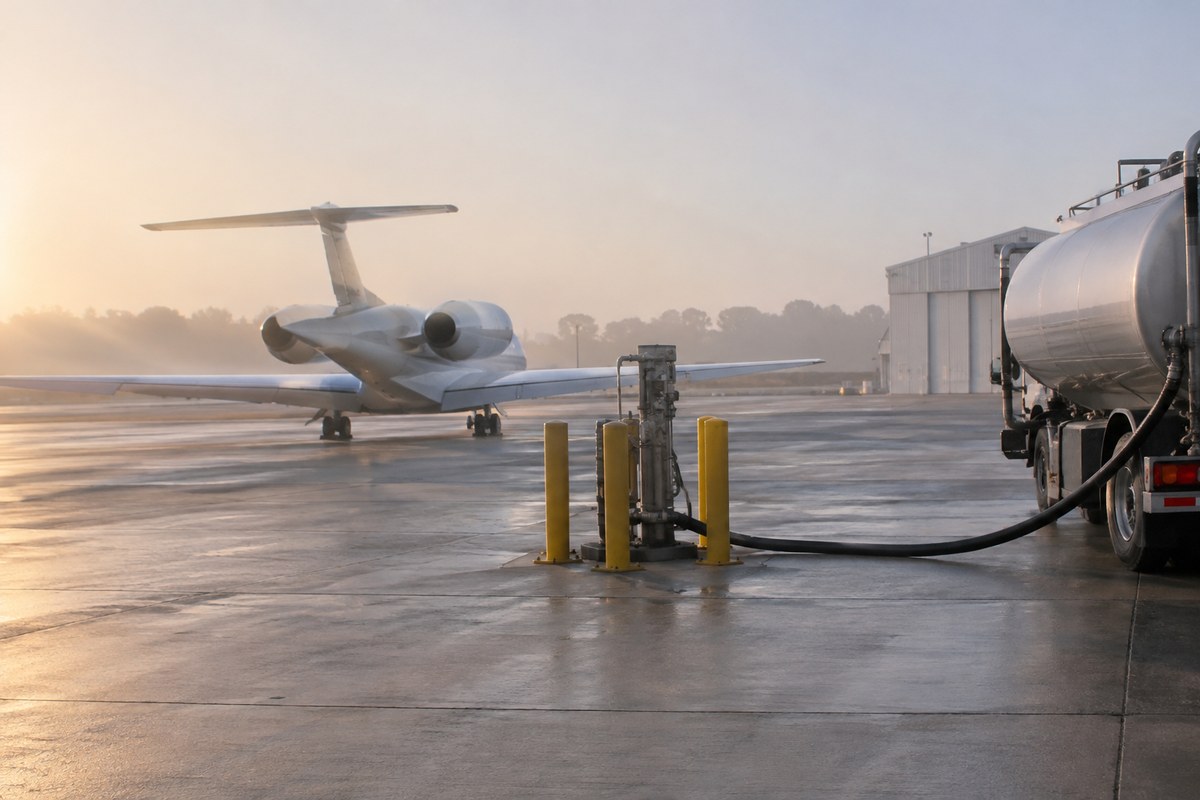
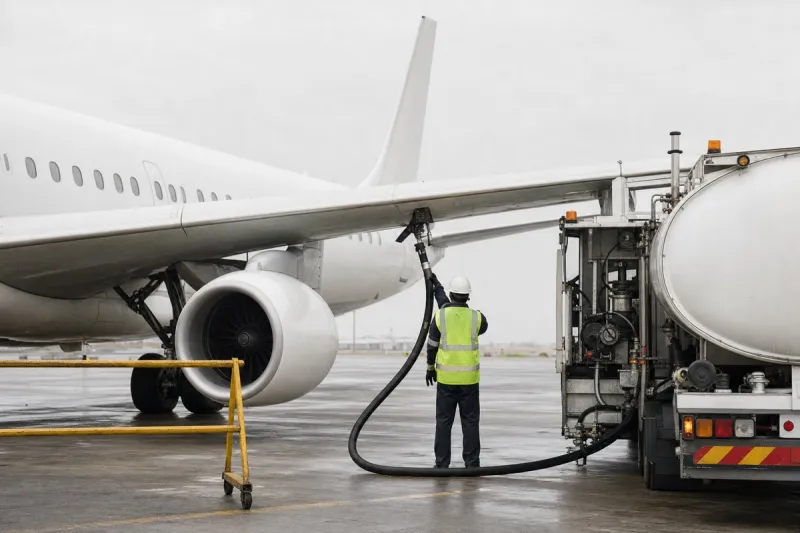
SAF typically provides a 50% to 80% reduction in overall carbon lifecycle emissions compared with fossil fuels, a figure that depends on feedstock, production method and blend and is not the same as an equivalent reduction at the aircraft exhaust. Scott Cutshall, president of Clay Lacy Aviation Properties & Sustainability, called SAF a true drop-in fuel that needs no additional infrastructure or equipment to receive, inventory, transport or deliver. Jonathan Boyle, Avfuel's vice president of sales, contract fuel and bulk fuel, said FBOs can generally use existing jet-fuel storage and dispensing.
For electric aircraft, FBOs must assess high-capacity charger requirements, coordinate with utilities, secure funding and place equipment where it will not interfere with ramp operations. Cutshall said Clay Lacy believes electric aircraft of various sizes will become a regular presence at FBOs and that installation of cabling, switchgear and transformers should begin now. Widespread adoption depends on aircraft development, utility capacity and local demand, and electric vertical takeoff and landing aircraft remain in early stages at selected locations.
The move away from leaded aviation gasoline poses a separate challenge, since unleaded fuels require storage separate from 100LL. UL94 has reached some airports, but the industry is still working toward a broadly accepted high-octane replacement. Boyle said Avfuel supports the industry's initiative to meet that goal by 2030 with resources and distribution expertise. Both executives said demand will shape FBO investment, and Cutshall added that FBOs can also operate more sustainably by reducing waste and improving efficiency.