Sky ICT Plans Two-Seat Autonomous Air Taxis in Phuket, With 2027 Launch Dependent on Approvals
Why It MattersPilotless passenger eVTOL service in Thailand remains gated by regulators still drafting the rules, so tourism-led urban air mobility there depends on certification and licensing before any operator economics apply.
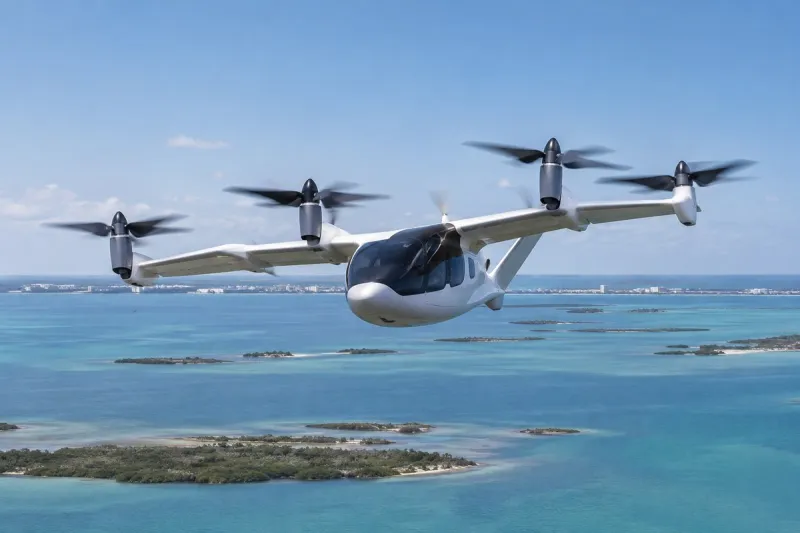
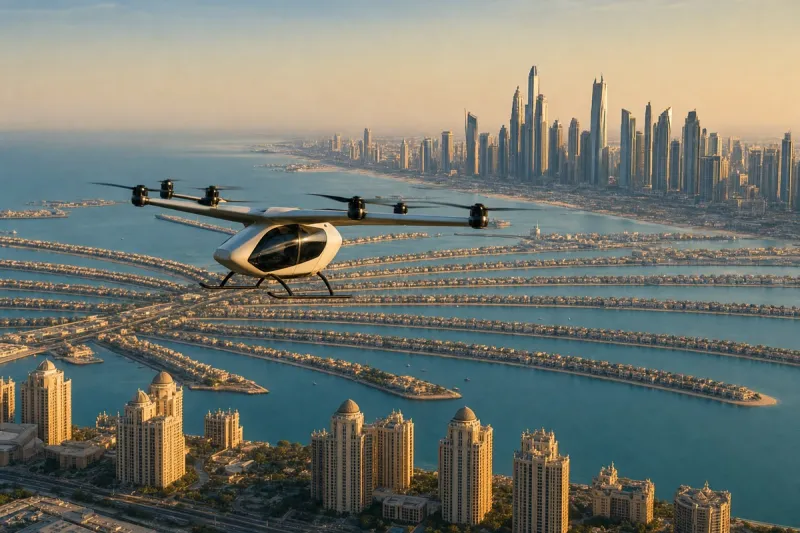
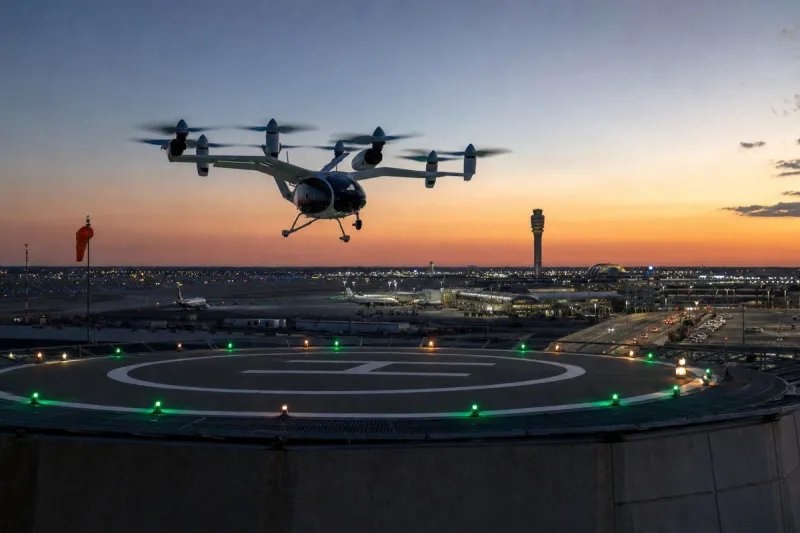
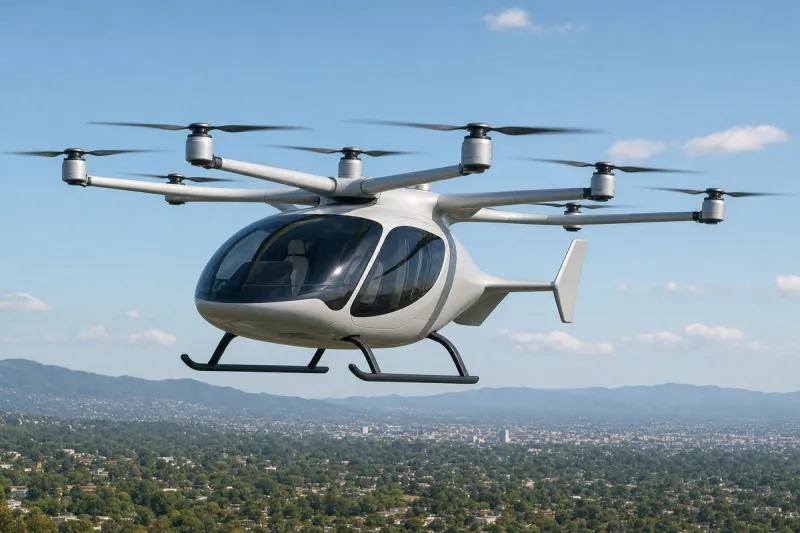
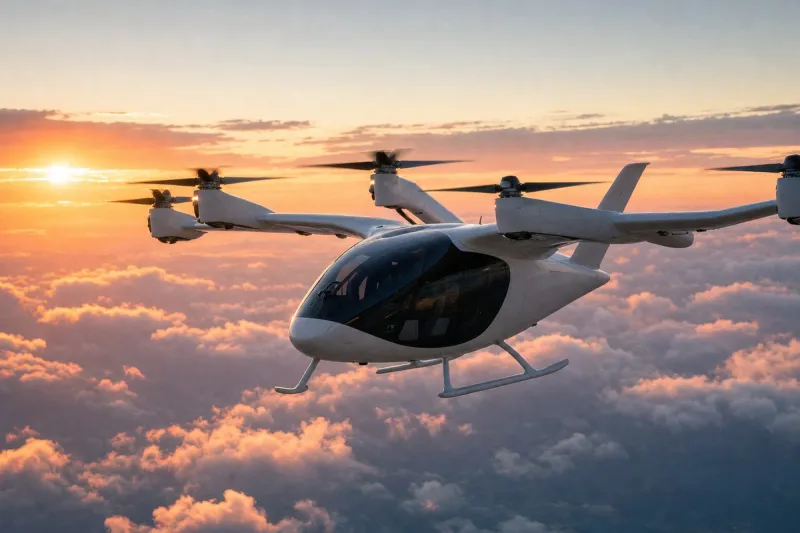
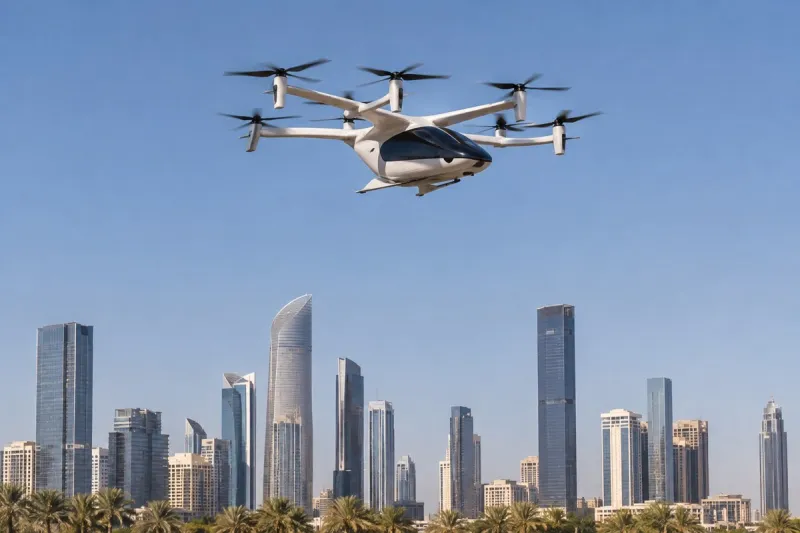
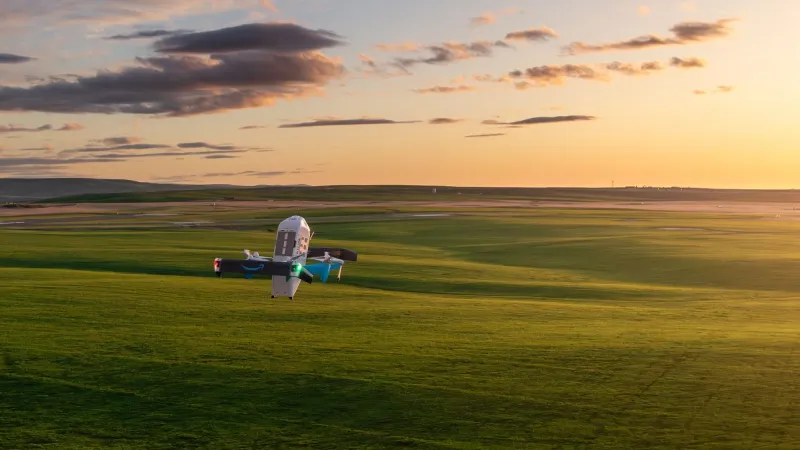
Thai technology company Sky ICT is preparing an autonomous electric air-taxi service in Phuket, with a possible commercial launch in 2027 that depends on regulations, aircraft certification and approval from the Ministry of Transport. Each eVTOL aircraft would carry two passengers and fly without a pilot on board. The first route would link Phuket International Airport with the city centre, cutting a journey of about one hour by road to roughly eight minutes, at a projected fare of 2,000 baht per passenger. These journey-time and price figures are estimates.
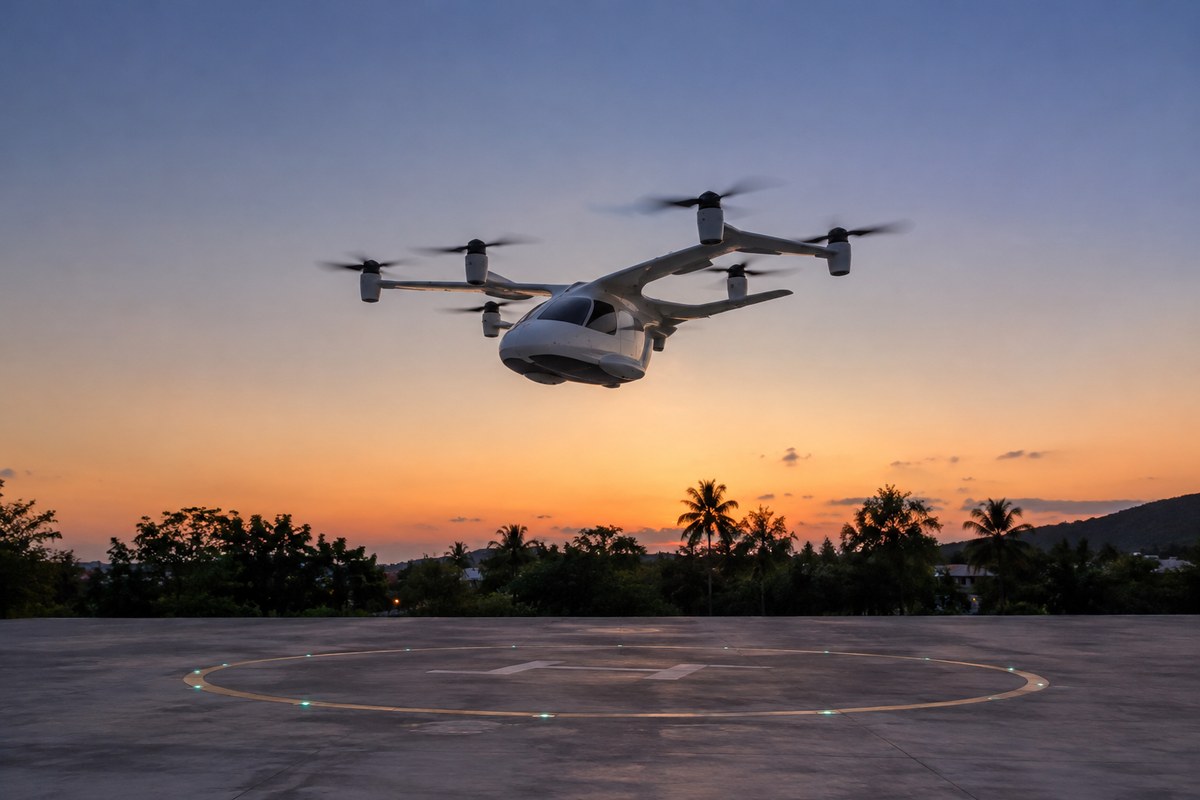
Sky ICT Chief Executive Officer Sithej Malayara presented the project on 20 November 2026 as part of the company's new aviation services. The company expects to complete its feasibility studies and business model by the end of 2026, with commercial operations targeted for the following year. The service has not been established as a regular route, and no passenger flight date has been confirmed.
The Civil Aviation Authority of Thailand (CAAT), headed by Air Chief Marshal Manat Chavanaprayoon, is drafting regulations for commercial passenger transport by autonomous aircraft. Before flights can begin, aircraft must be certified, operator licensing requirements set and Ministry of Transport approval obtained. CAAT has also said operators must establish safety management systems and comply with airspace rules, and the regulations must address how pilotless aircraft operate alongside conventional air traffic.
At a meeting at Phuket Provincial Hall on 23 September 2026, chaired by Governor Chotnarin Kerdsom and attended by the CAAT Director-General, government agencies, local authorities and private companies, participants discussed passenger routes for tourism, unmanned transport of goods and food, medical and emergency uses, vertiports, low-altitude airspace management and the digital UAS Portal. Passenger route options included airport links to Patong and Karon Beach and a possible Patong–Promthep Cape route.
CAAT also signed a memorandum with Thailand's Defence Technology Institute in late October to develop standards for unmanned aircraft, covering eVTOL standards, airworthiness criteria and regulatory testing environments; it does not grant permission for commercial passenger flights. In late November 2025, a two-seat EHang EH216-S eVTOL was demonstrated in a controlled area under experimental approval, a regulated test rather than commercial service that has not been linked to the Sky ICT project. Heavy rain and strong winds will need to be considered in setting operating limits, and the 2,000 baht fare places the service in a premium segment aimed at wealthier tourists, business users and luxury resort guests.