FAA Proposes AD Requiring Service-Life Check and Seal Replacement on GE90-110B1 and GE90-115B Engines
Why It MattersThe proposal extends years of earlier directives on one engine type, putting added seal-replacement cost and inspection workload on widebody 777 operators as the affected engines keep accumulating flight cycles.
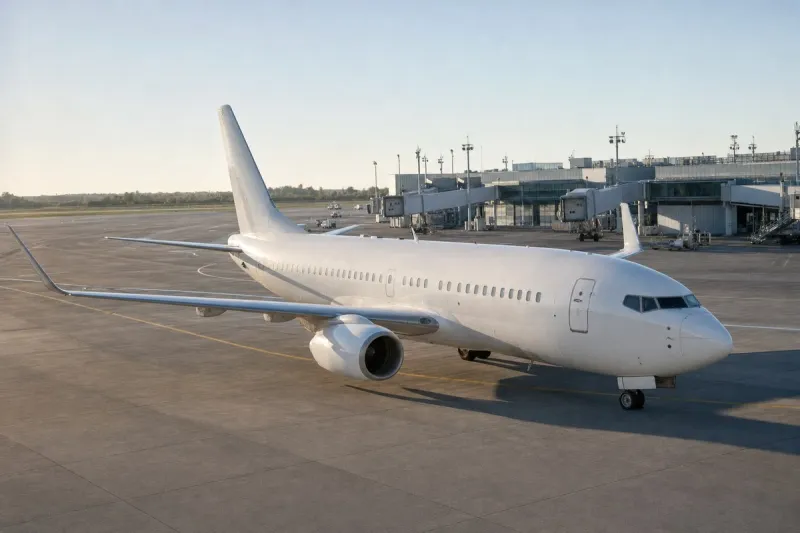
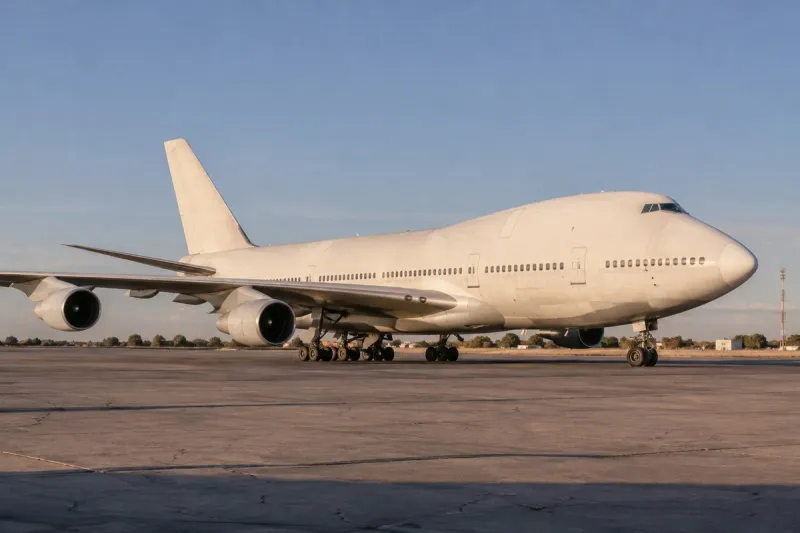
The Federal Aviation Administration has proposed a new airworthiness directive for certain General Electric GE90-110B1 and GE90-115B engines, in a notice of proposed rulemaking scheduled for publication in the Federal Register on November 27, 2026 (Docket No. FAA-2026-13834; Project Identifier AD-2026-00148-E). It was prompted by an aborted takeoff caused by a left engine failure, which resulted from liberation of the interstage high-pressure turbine (HPT) rotor seal rim. The event involved a Boeing 777 powered by GE90-115B engines on October 19, 2019. A manufacturer investigation found that the rim liberation resulted from high-cycle fatigue cracks that began at the interstage seal web holes, due to atypical intermittent operating conditions of short duration.

The FAA previously issued Emergency AD 2019-21-51, Emergency AD 2020-01-55, AD 2020-10-04 and AD 2024-06-15 on this issue, and all of them remain in effect. The proposed AD would require operators to determine the recalculated service life of the interstage HPT rotor seal and, depending on the result, replace it with a part eligible for installation. For certain engine populations, operators could instead perform initial and repetitive ultrasonic inspections of the seal for cracks and, depending on the results, remove the seal from service. The FAA reviewed GE GE90-100 Service Bulletin 72-0925 R00, dated November 21, 2025, which specifies the procedures for determining the recalculated service life and the removal thresholds.
The FAA estimates the AD would affect 339 engines on U.S.-registered airplanes. It assumes about 10 percent of the fleet (34 engines) would need early seal replacement, at 100 work-hours at $85 per hour ($8,500) plus $742,900 in parts, or $751,400 per engine and $25,547,600 for U.S. operators. Each ultrasonic inspection is estimated at 2 work-hours, or $170 per product, with a total cost of $57,630 for U.S. operators. The FAA is issuing the rulemaking under 49 U.S.C. 44701, and the document invites public comment on the proposal.