Gulf air-taxi services could start in UAE next year, but charging, airspace and fares will decide viability
Why It MattersGulf eVTOL launch timing now hinges less on aircraft readiness than on vertiport charging capacity, low-altitude airspace integration and fares, which will decide whether air taxis become routine urban transport.
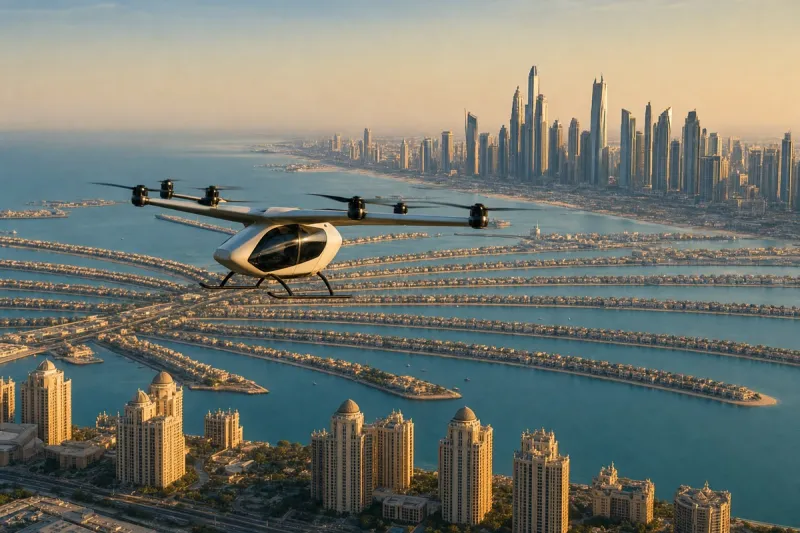
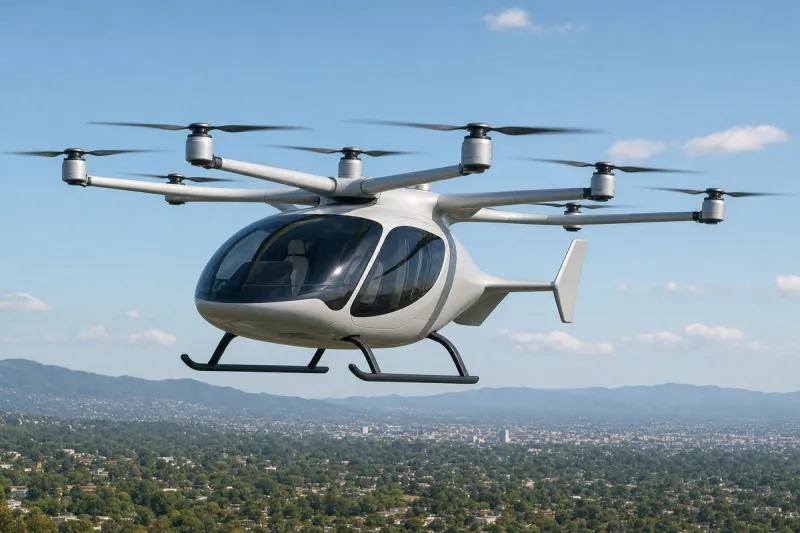
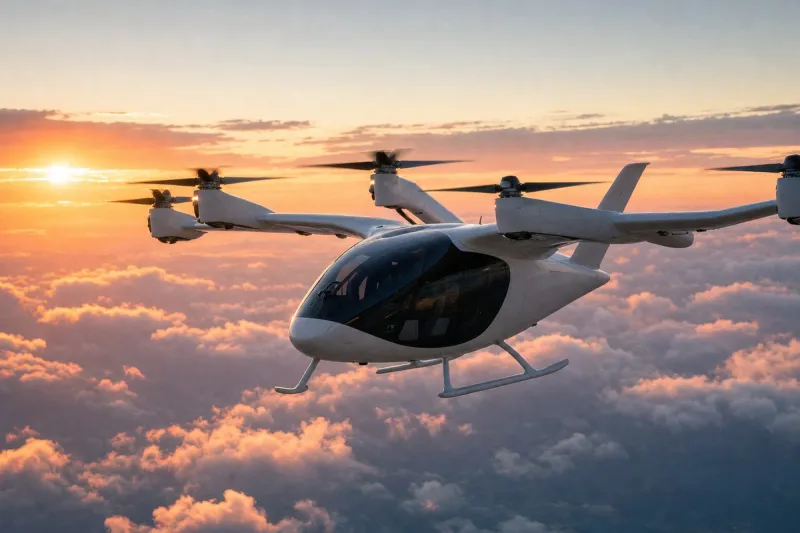
First passenger services using electric vertical take-off and landing (eVTOL) aircraft, or air taxis, are expected to launch in the UAE as soon as next year, with progress under way in aircraft certification, flight testing and vertiport development, supported by new regulations. Joby Aviation, Archer Aviation and EHang are among the companies advancing aircraft development. Experts quoted say whether air taxis become a regular part of Gulf urban transport will depend on safety, regulatory approvals, infrastructure readiness and commercial viability.
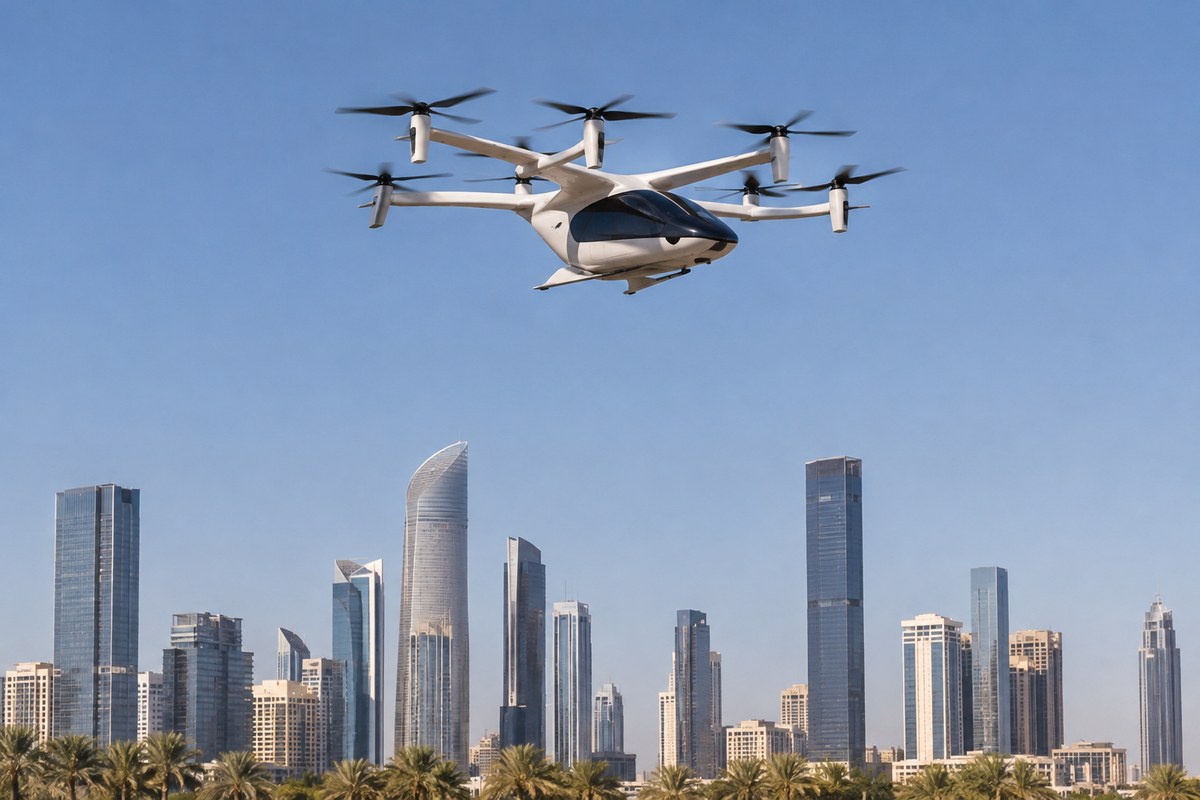
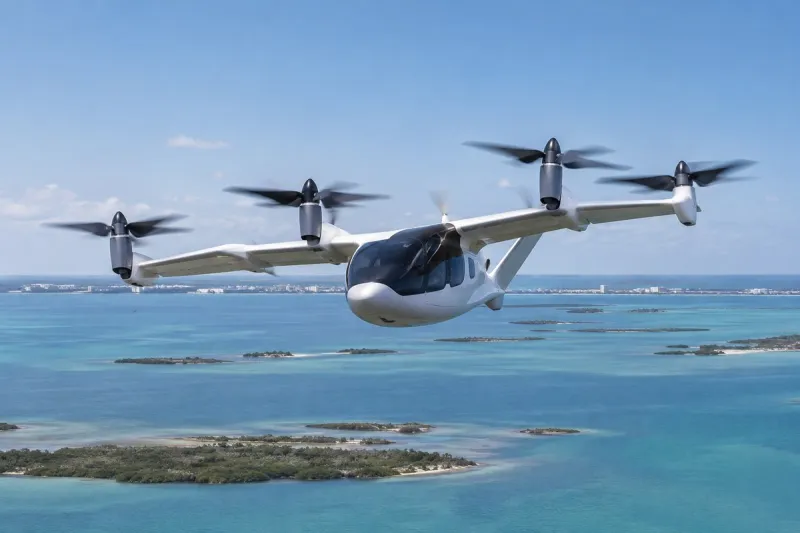
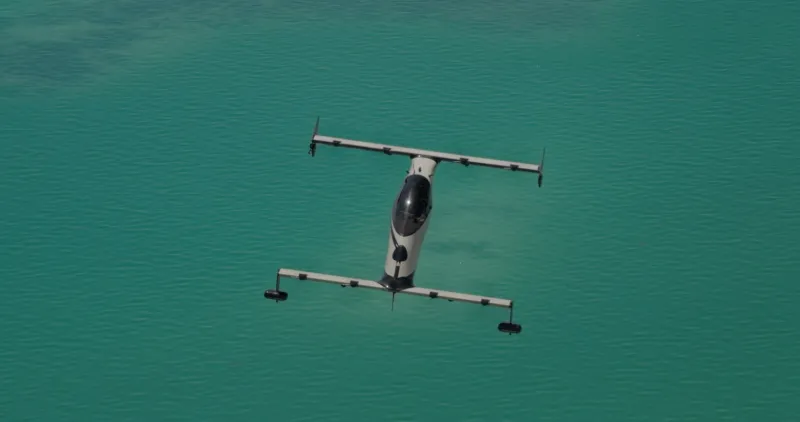
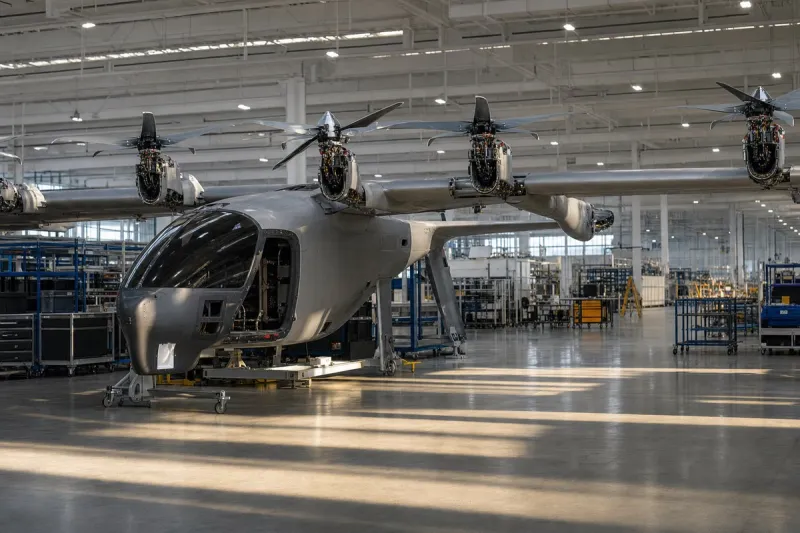
Archer's Midnight aircraft is the first eVTOL on a Restricted Type Certificate track with the GCAA, opening the way for limited commercial flights with Abu Dhabi Aviation. Abu Dhabi is set to be Archer's first market outside the US. In Saudi Arabia, Archer has teamed up with The Helicopter Company and Red Sea Global to create a regulatory sandbox with the General Authority of Civil Aviation (GACA) for supervised real-world testing. In the US, Midnight has flown more than 300 miles between cities in the San Francisco Bay Area.
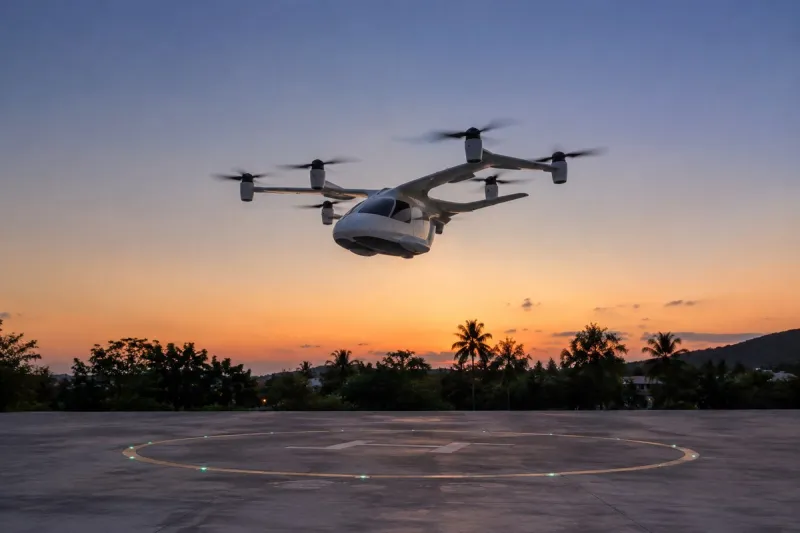
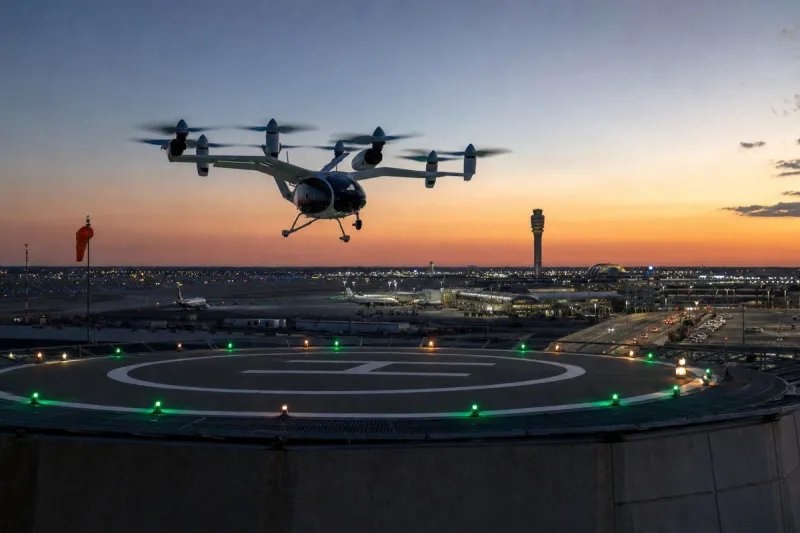
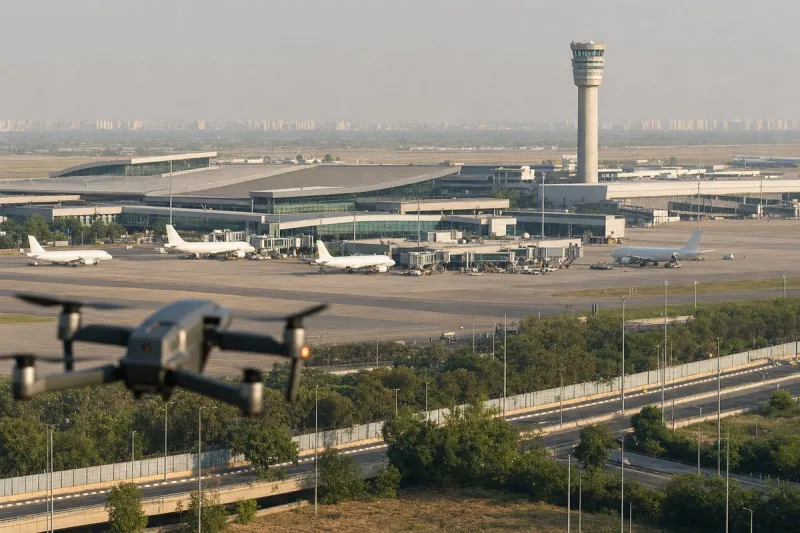
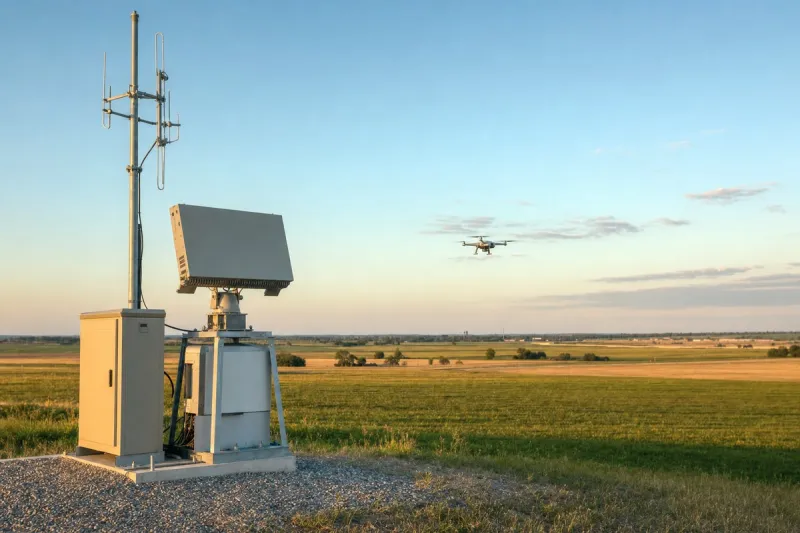
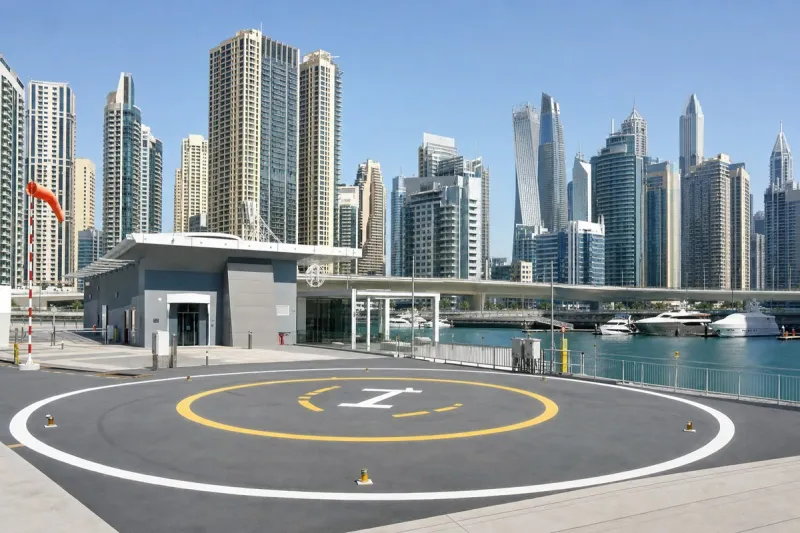
KPMG Middle East's Morsi Berguiga says vertiport capacity depends more on how quickly aircraft can be turned around than on the number of landing pads, and facilities will need passenger terminals, aircraft parking, security, fire and rescue services, maintenance and spare parts. Reliable power is also required, including high grid capacity and fast charging supported by managed charging, energy storage and renewables. Low-altitude traffic must be integrated with conventional aircraft, helicopters and drones through designated corridors, real-time weather data, surveillance and shared digital systems.
Challenges include the electric powertrain, redundancy across critical systems, and performance in UAE heat, humidity, sand and dust. Berguiga notes that extreme heat complicates battery thermal management and slows charging, and hot, thin air reduces lift, limiting payload and range. Regulators are expected to take a phased, evidence-based approach covering operational approvals, pilot and operator requirements, infrastructure certification and traffic management.