Aircraft Structural Repair and Overhaul Services Market Projected to Reach $80 Billion by 2035, Growing at 4.4% CAGR
Why It MattersAging fleets and regulatory pressure are steadily widening structural MRO demand, pushing providers toward predictive maintenance, composite repair and regional capacity partnerships rather than purely routine overhaul work.
The global aircraft structural repair and overhaul service market is expected to reach an estimated $80 billion by 2035, growing at a compound annual growth rate of 4.4% from 2026 to 2035, according to a market research report. Growth is being driven by rising demand for aircraft structural integrity services, increasing repair and overhaul requirements, and a stronger emphasis on durability, safety and regulatory compliance.

By segment, fixed-wing aircraft is expected to record the highest growth among aircraft types, and commercial aviation is expected to grow fastest among applications. North America is projected to be the fastest-growing region during the forecast period.
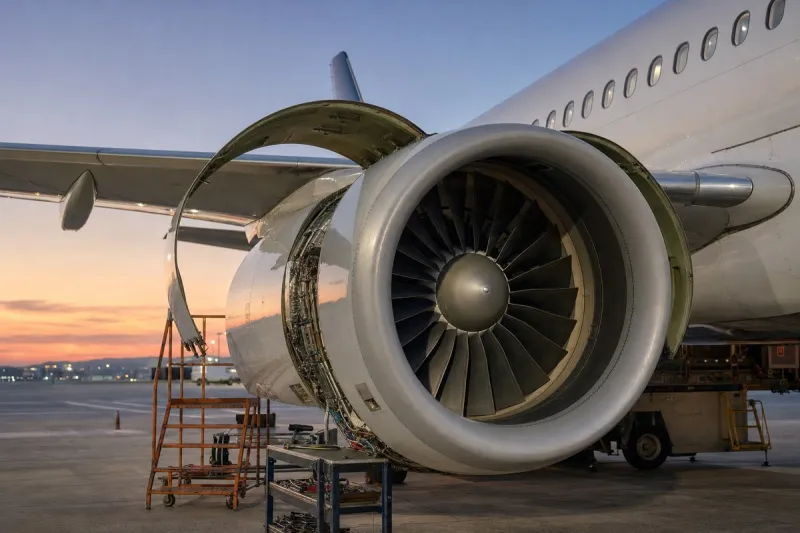
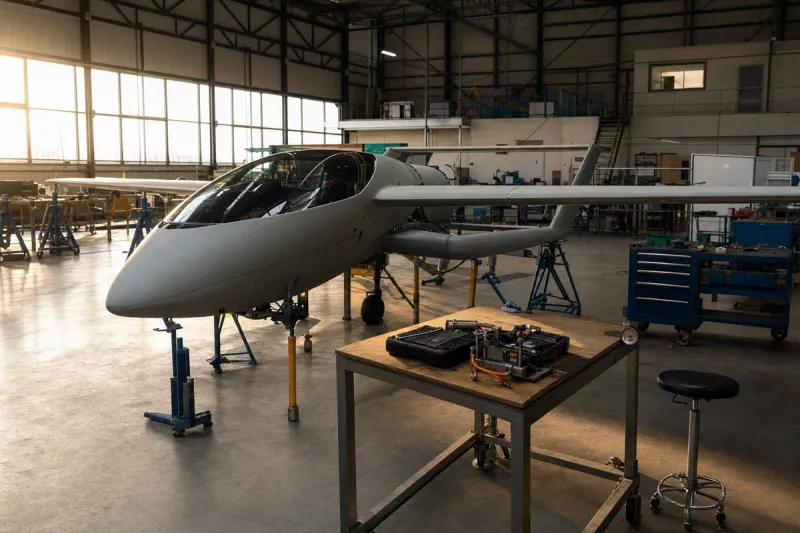
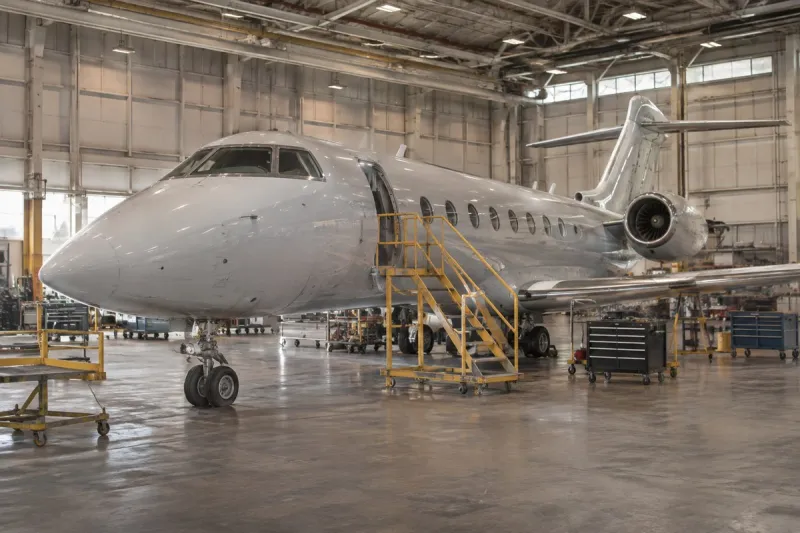
The report identifies several trends reshaping the sector: digitalization and predictive maintenance using sensors, IoT platforms, artificial intelligence and data analytics; advanced materials and coatings, including composites, high-performance alloys, corrosion-resistant coatings and emerging self-healing technologies; sustainable repair practices; mobile and on-site repair services; and the use of augmented and virtual reality for technician training and remote assistance. Growth in the global aircraft fleet and the continued operation of aging aircraft are increasing demand for inspections, structural repairs, life-extension programs and overhaul services, while composite repair methods, robotic systems, non-destructive testing and 3D printing are improving repair precision and reducing turnaround times. Rapid fleet expansion in Asia-Pacific and the Middle East is encouraging regional MRO capacity and partnerships between local providers and international companies.
Key market drivers are technological innovation, fleet growth and aging aircraft, stringent safety standards, airline and cargo expansion, and strategic partnerships among OEMs, airlines and MRO providers. Key challenges are high service costs, rapid technological change, and regulatory complexity arising from differences among regional standards and approval processes. The report covers country-level analysis of the United States, China, Germany, India and Japan, with historical analysis for 2019 to 2025 and forecasts for 2026 to 2035.