eVTOL Makers Move Toward Commercial Urban Air Travel as Certification, Air Traffic and Grid Challenges Remain
Why It MattersCommercial eVTOL service depends less on the aircraft than on air traffic management, certification standards and grid capacity, so the pace of regulation will set the pace of the market.
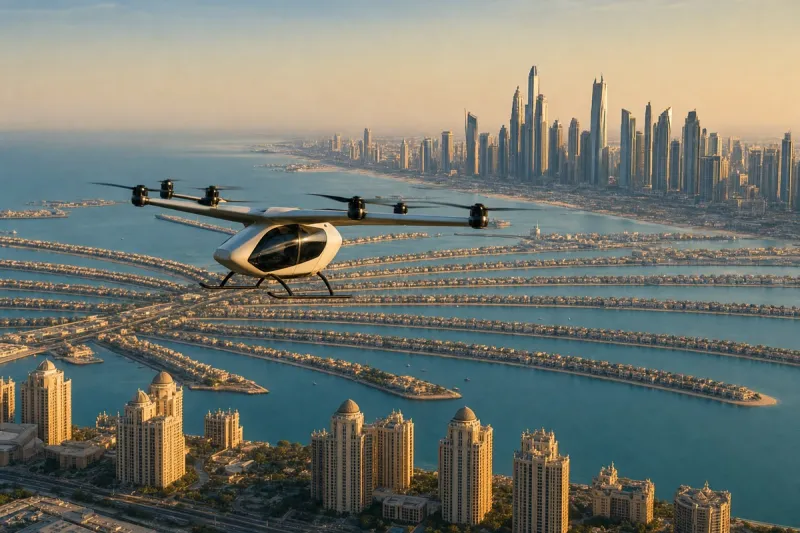
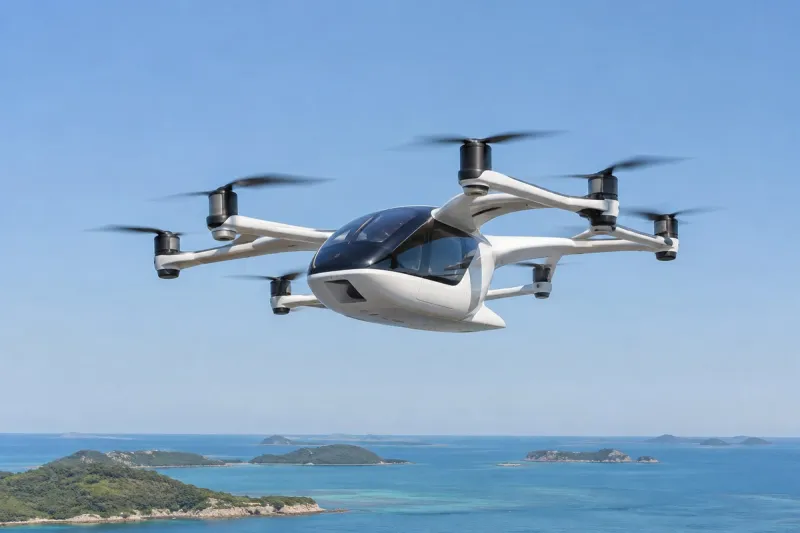
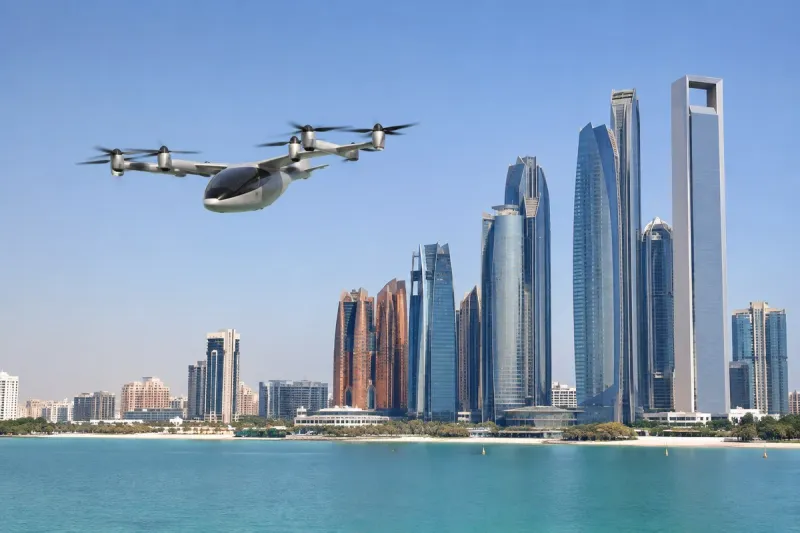
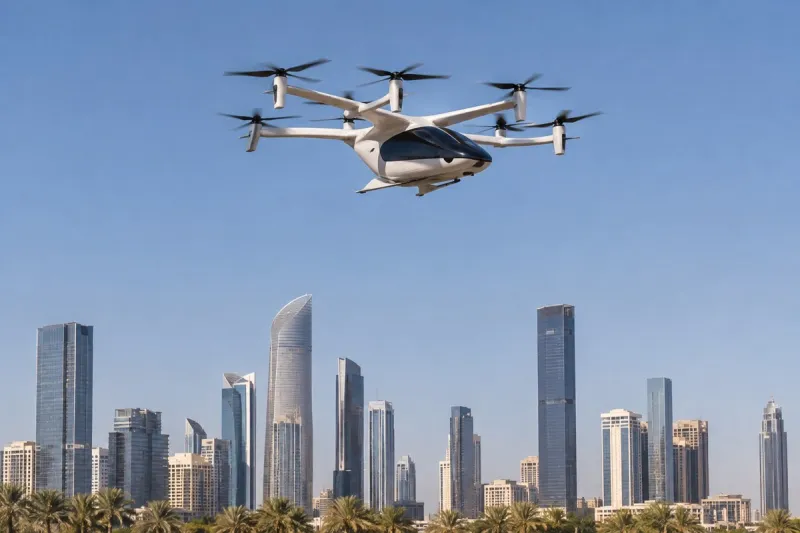
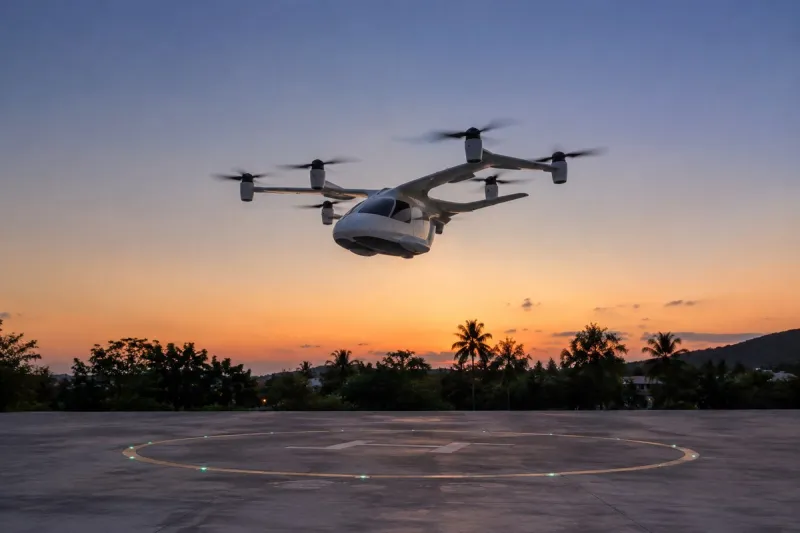
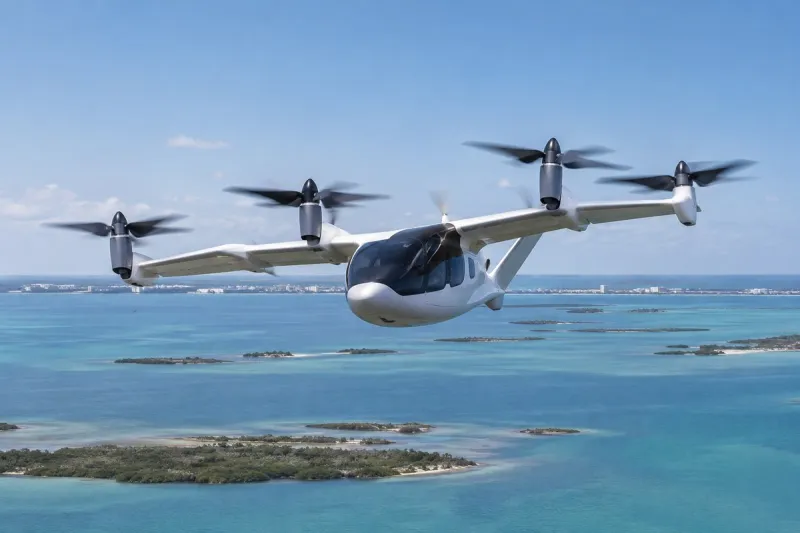
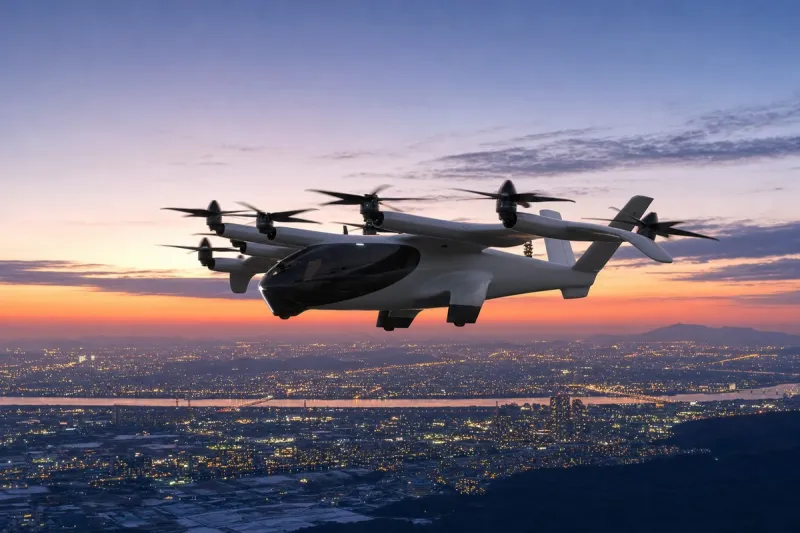
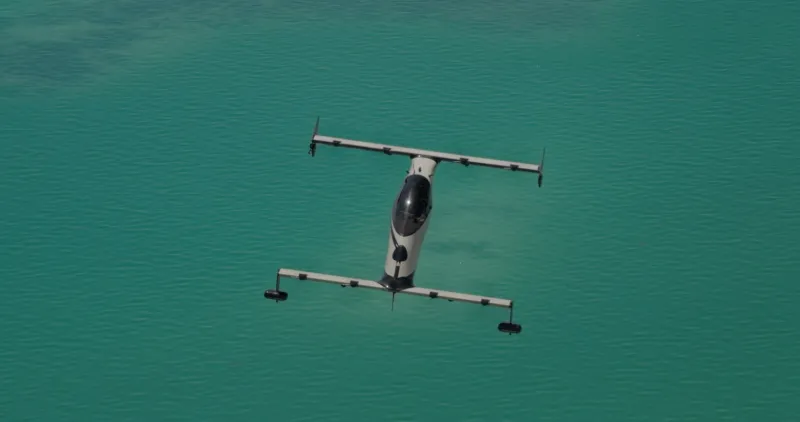
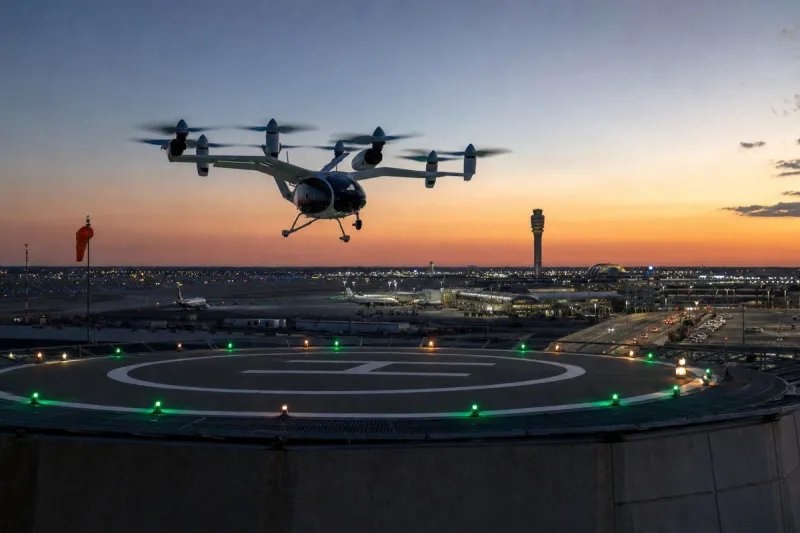
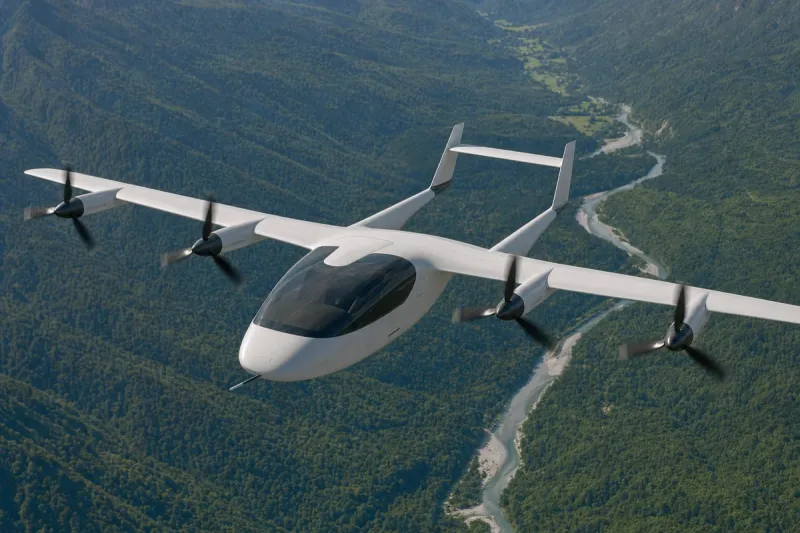
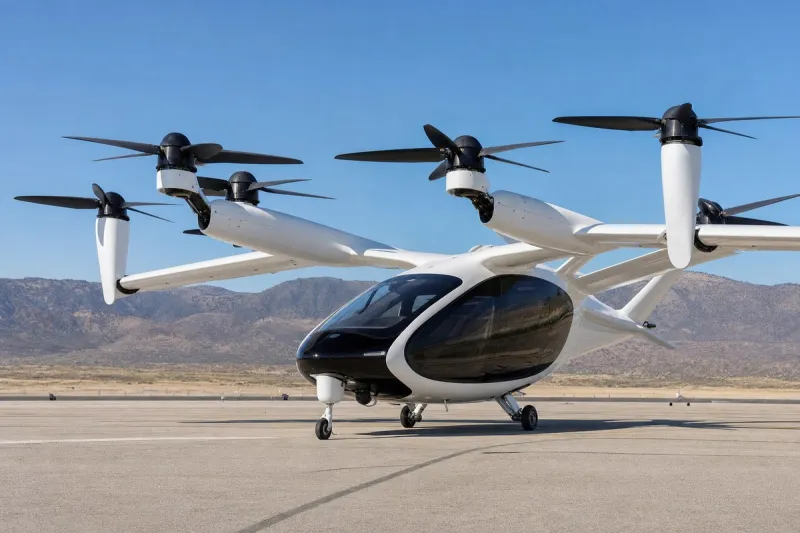
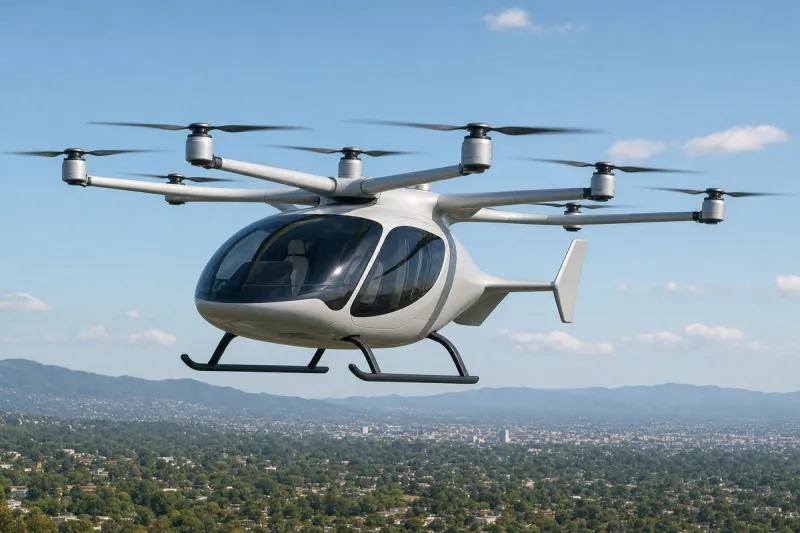
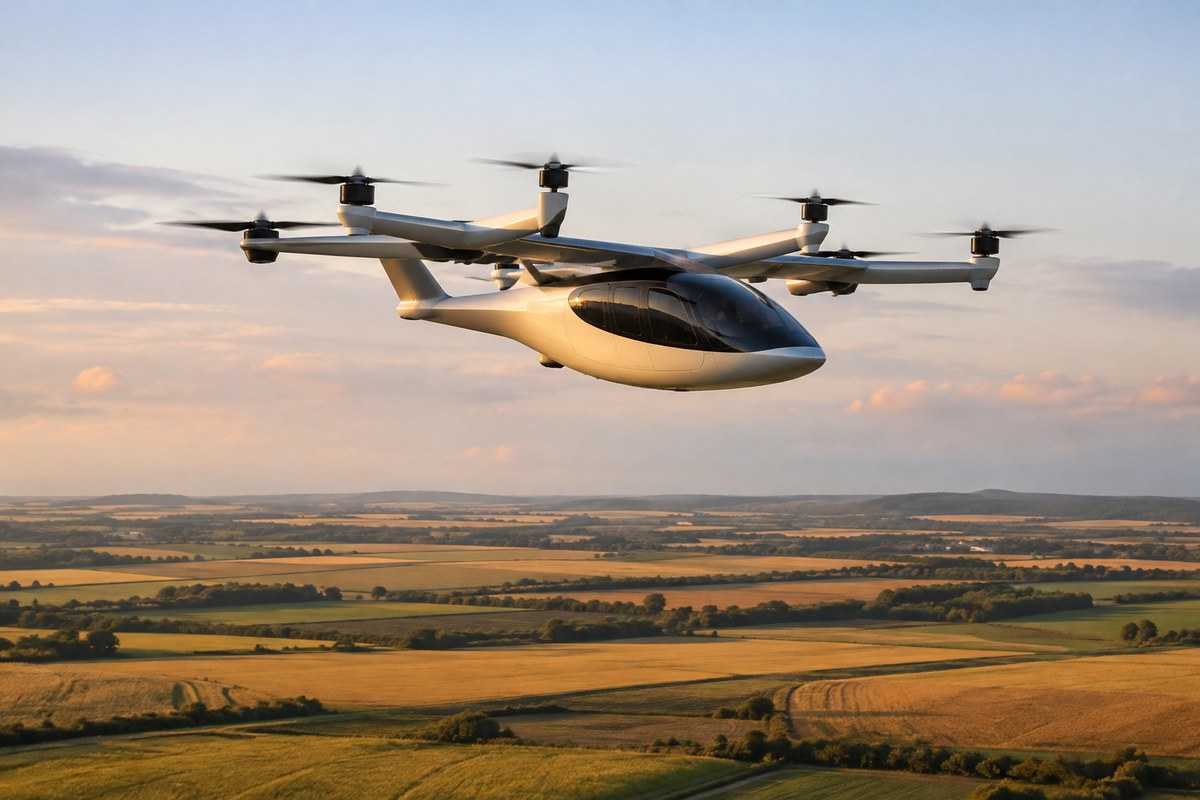
Electric vertical takeoff and landing (eVTOL) aircraft are being positioned as the practical route to everyday three-dimensional urban transit, in contrast with the flying-car concept Elon Musk teased for the Tesla Roadster, which is due to enter production in 2028. Musk himself acknowledged that making flying cars a daily commuter reality remains a difficult problem of physics, regulation and practicality. Unlike fixed-wing airplanes, which need long runways to generate lift, and helicopters, which rely on loud, vibration-prone and costly turbine-driven rotors, eVTOLs use Distributed Electric Propulsion, spreading multiple small electric motors and rotors across the airframe so vertical lift is decoupled from forward cruise thrust. Designs include tilt-rotor and lift-plus-cruise configurations.
Initial commercial services are expected to be priced at premium charter rates comparable to private black cars or chartered helicopters. The long-term cost case rests on electric drivetrains having far fewer moving parts than combustion engines or turboshafts, software-driven fleet optimisation and, eventually, autonomous cockpits that remove pilot costs. Operators project seat-mile costs falling below high-end rideshares. Key obstacles include air traffic control systems not designed for tens of thousands of simultaneous low-altitude urban flights, which will require automated Unmanned Aircraft System Traffic Management networks, and certification for passenger flight, which requires demonstrating catastrophic failure probabilities below one in a billion flight hours through triple-redundant fly-by-wire avionics and distributed rotor fail-safes. Operational tailpipe emissions are zero, but the environmental footprint depends on grid electricity and battery lifecycle management.
The timeline runs from NASA engineer Mark Moore conceptualising distributed electric propulsion and e-volo (now Volocopter) flying the first manned electric multicopter in 2009–2011, to Uber's 2016 'Elevate' whitepaper spurring investment in Joby, Archer and EHang, to automakers such as Toyota and Stellantis entering production from 2021. China's CAAC issued the first commercial autonomous airworthiness certificates, while Western regulators advance piloted type-certification programmes. The vendors listed are Joby Aviation, Archer Aviation, EHang, Beta Technologies, Wisk, Eve Air Mobility, Volocopter, Vertical Aerospace, Supernal (Hyundai Motor Group) and AutoFlight.
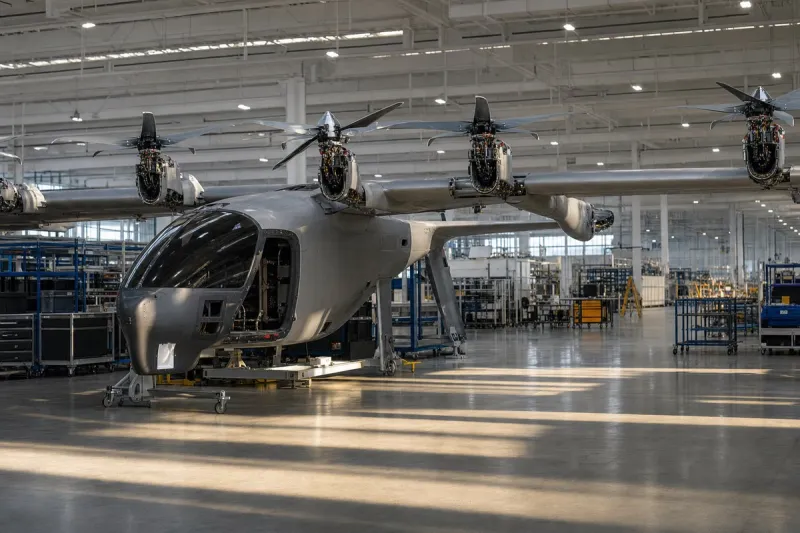
Joby Aviation, founded by seven engineers in California, flew its first full-scale demonstrator in 2017 and received Toyota investment in 2019. It holds an FAA Part 135 Air Carrier Certificate, has a home-to-airport partnership with Delta Air Lines, expanded its Uber partnership, flew demonstration flights over New York City and completed a piloted transition flight in 2025. Its five-seat aircraft has six electric tilt-propellers, four battery packs and a triple-redundant flight computer, and reaches 200 mph. Archer Aviation's flagship eVTOL, Midnight, is designed for back-to-back 20-to-50-mile urban hops with triple-redundant safety architecture to meet FAA standards. The company is building an AI foundation model called Zee to synthesise ATC feeds, ADS-B data and navigational telemetry from 44,000 daily US flights, and has commercial commitments from United Airlines and a manufacturing partnership with Stellantis at Covington, Georgia. Guangzhou-based EHang builds pilotless eVTOLs for urban transit, cargo (EH216-L) and high-rise firefighting (216F).