FAA Posts Draft AC 150/5390-4 Vertiport Design Standard; Comments Open Until January 11, 2027
Why It MattersA single performance-based standard sized to each aircraft would replace interim guidance written around a narrow aircraft set, giving vertiport developers a more flexible design basis.
On October 22, 2026, the Federal Aviation Administration posted draft Advisory Circular 150/5390-4, a proposed design standard for vertical flight aircraft infrastructure that brings heliport and vertiport guidance together in one performance-based document. Public comment is open until January 11, 2027, and the FAA expects to publish the final standard in summer 2027. Once final, the circular would cancel Engineering Brief 105A, the FAA's interim vertiport guidance.
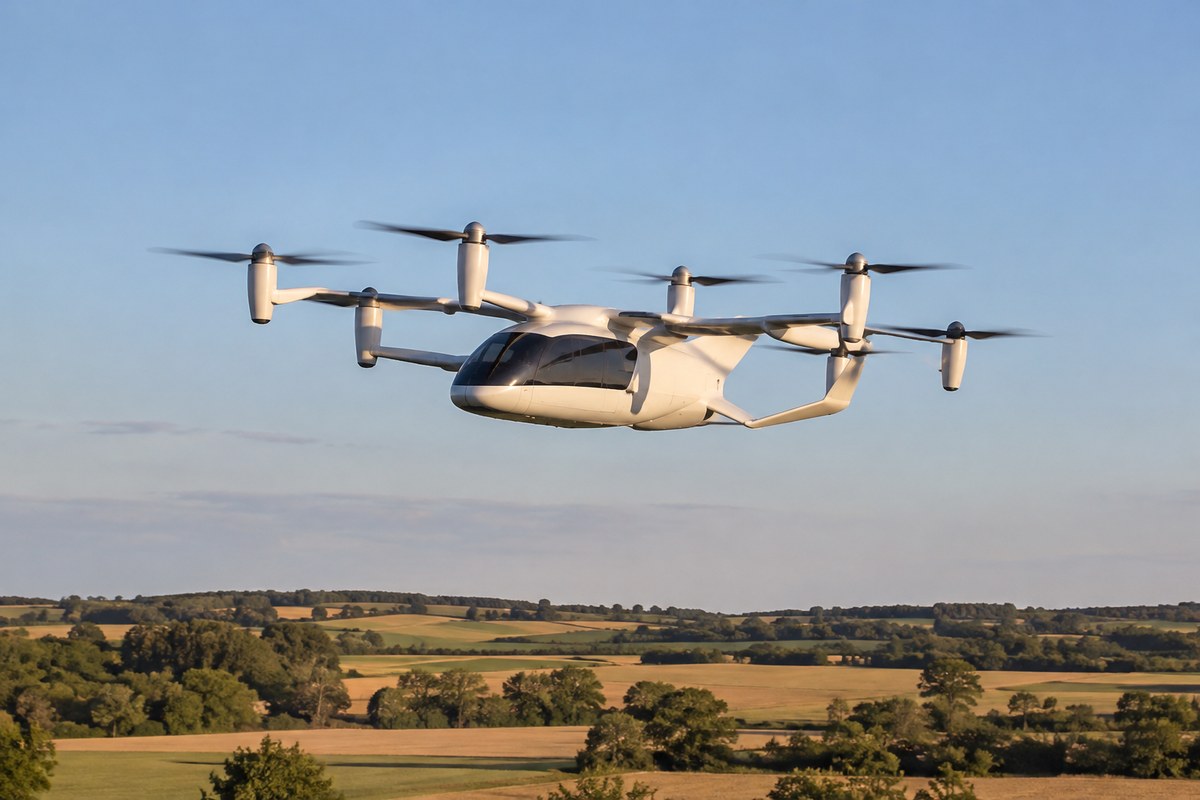
Under the draft, the touchdown area is sized at the rotor diameter of the aircraft to be hosted plus 10 ft (3 m), so pad size follows the aircraft rather than a fixed template. The draft sets an approach surface of 15:1 or shallower for powered-lift aircraft and drops the aircraft limits in Engineering Brief 105A, which was written around a narrow set of assumed aircraft. Existing heliports and new vertiports would be covered by the same standard. The draft does not settle every design question; charging, fire safety and rotor downwash also shape a real site, and the full draft covers those sections.
On October 29, 2026, Wisk Aero opened a 100 ft by 100 ft (30 by 30 m) vertiport at Hollister Municipal Airport in California. The Boeing subsidiary describes it as one of the first public, on-airport vertiports in the United States built for both piloted and autonomous operations, and says it was built to existing FAA vertiport standards. Wisk says the pad is fully operational and will be used to test approach, departure and precision landing procedures, including in reduced and zero visibility. Wisk's second Generation 6 aircraft, registered N607WA, was displayed on the pad.