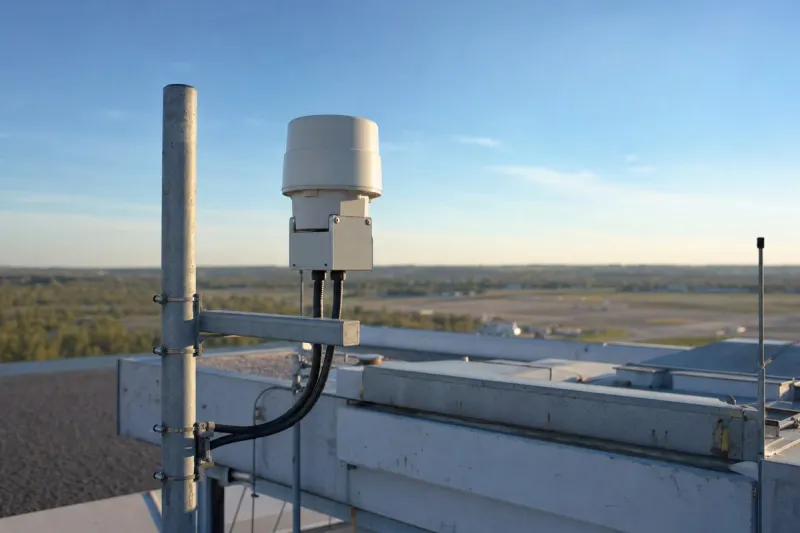
Senate Republicans urged to strip private jet tax shield from aviation safety bill
Why It MattersRestricting tax-office access to public ADS-B data would let cross-border aircraft registration and tax obligations go unchecked without any formal repeal vote on the underlying tax.
What happened
Senate Republicans are being urged to remove a provision from aviation safety legislation that critics describe as a tax carve-out for private aircraft owners. The provision, Section 105 of the House ALERT Act, is known as the Pilot and Aircraft Privacy Act, or PAPA.

Section 105 would prohibit states, localities, and airports from using ADS-B location signals to assess or collect taxes and fees on private planes. Opponents note that ADS-B data is already broadcast publicly, and that Section 105 would restrict access to that data only for tax assessment offices. Revenue departments and county assessors currently use ADS-B data to locate aircraft registered in one state but hangared in another, which lets them identify tax obligations.
The aviation safety bill was written following a midair collision between American Airlines Flight 5342 and an Army Black Hawk helicopter that killed 67 people. Critics argue that inserting a tax benefit into safety legislation is inappropriate.
Industry impact & what to watch
This dispute shows how a narrow, technical provision can ride inside a high-profile safety bill and draw scrutiny only because of the vehicle carrying it, not its own merits. Tax assessment and aviation safety are unrelated policy areas, and critics' core objection is procedural: pairing them lets a substantive tax change move without the debate a standalone repeal would require.
State and county tax offices rely on the same public broadcast data anyone can access to reconcile where an aircraft is actually based against where it is registered. That cross-check is the mechanism that catches registration-shopping for lower tax jurisdictions; removing tax offices' access to ADS-B data does not change the underlying tax law, it removes the tool used to enforce it.
What happens next depends on whether the Senate strips Section 105 before passing the ALERT Act, amends it, or leaves it intact. Any Senate floor vote or committee markup on the bill's text would settle whether the provision survives.