Dubai Logs 611 Flight Delays and 66 Cancellations in a Single Day Amid Middle East Aviation Crisis
Why It MattersConcentrated hub disruption at a high-volume connecting airport shows how regional airspace closures can cascade into global Europe-to-Asia routing well beyond the airspace directly affected.
What happened
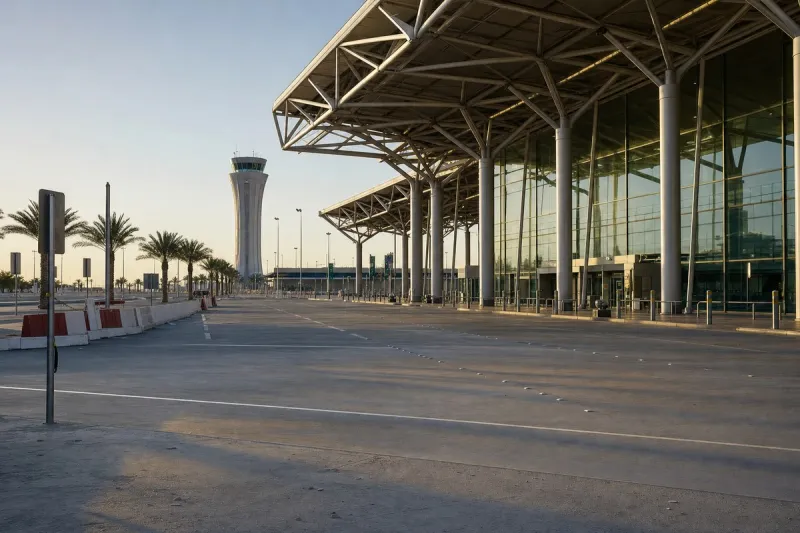
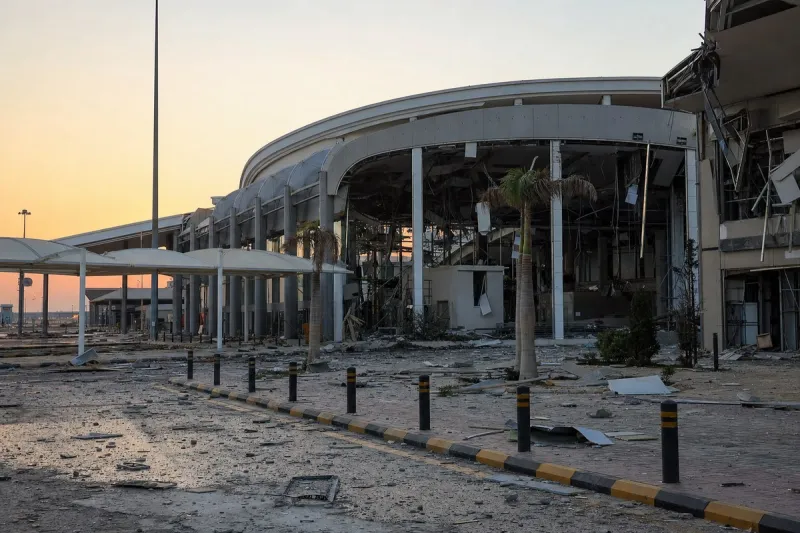
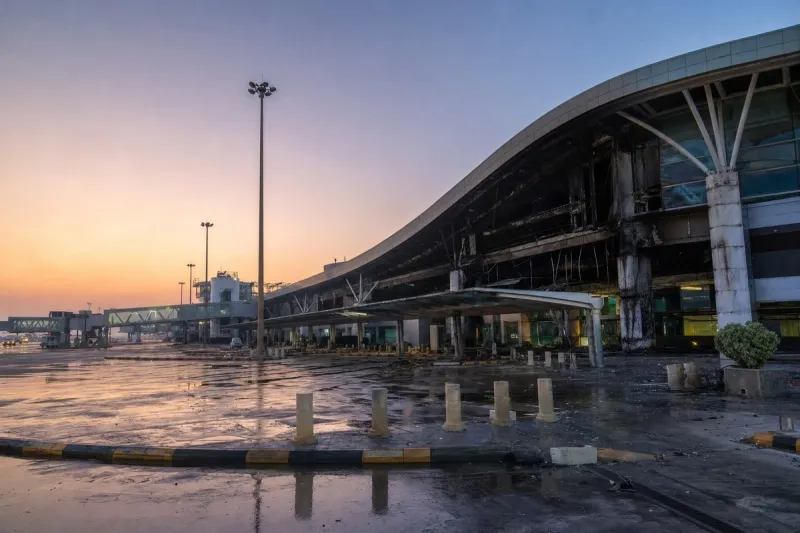
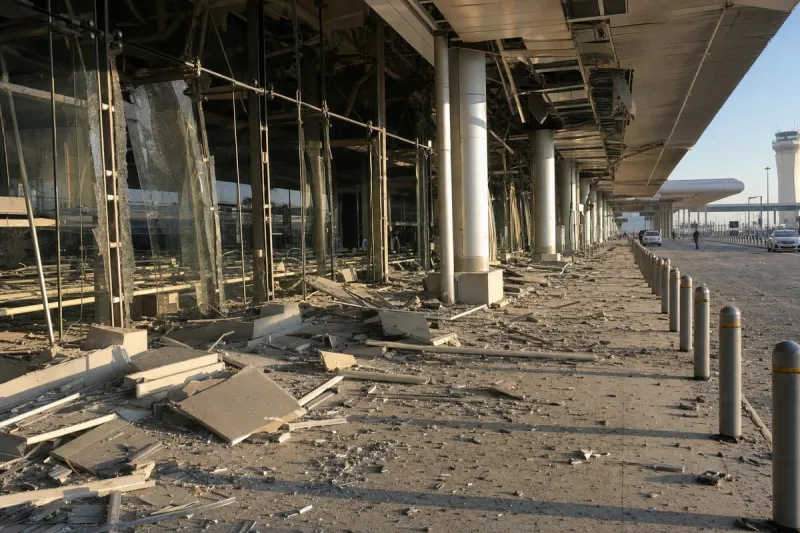
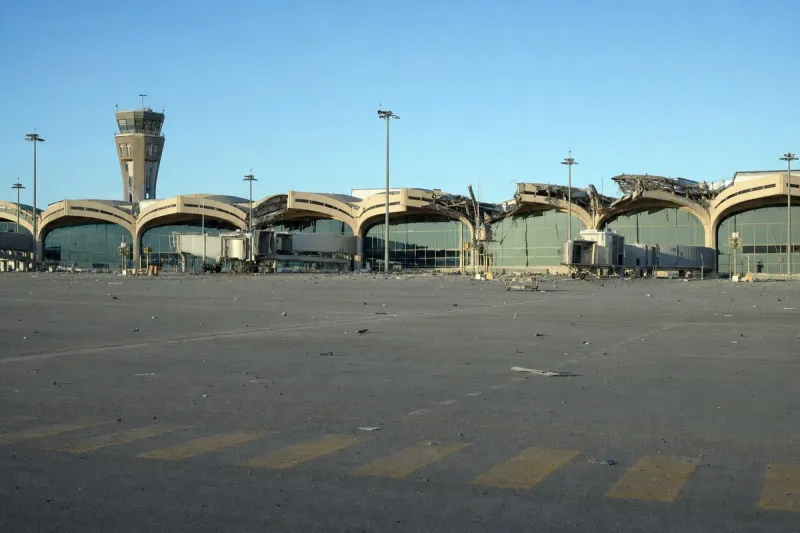
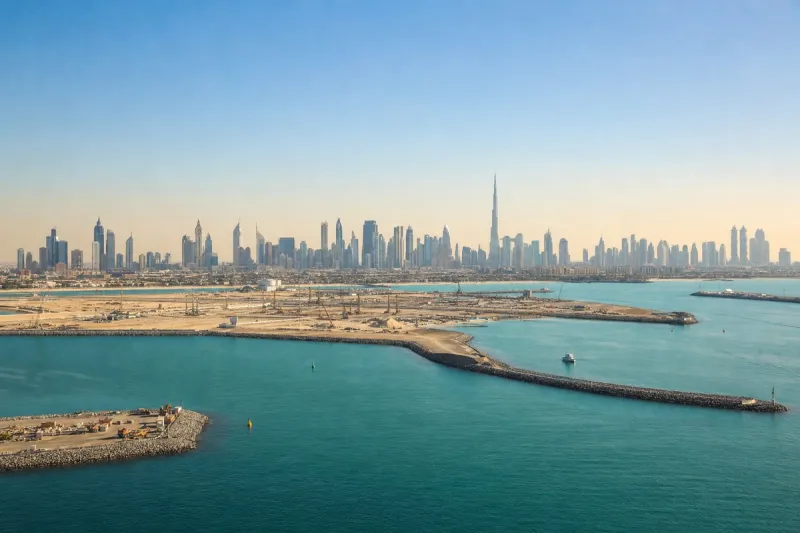
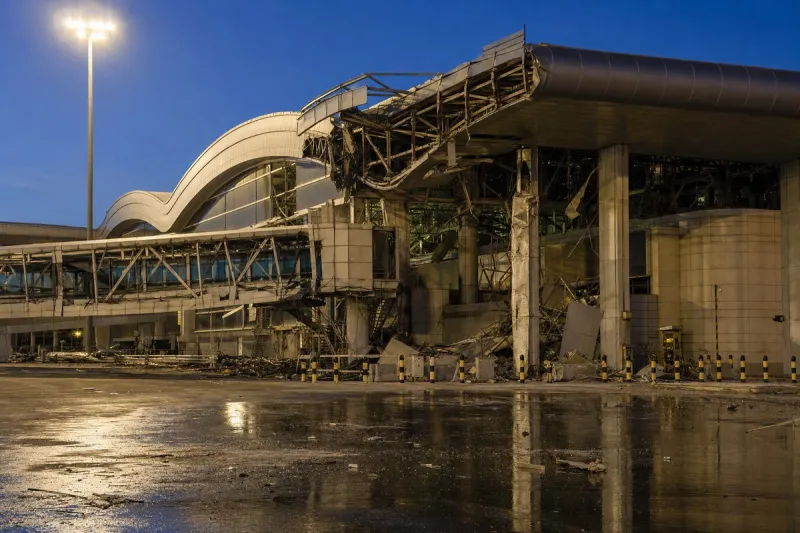
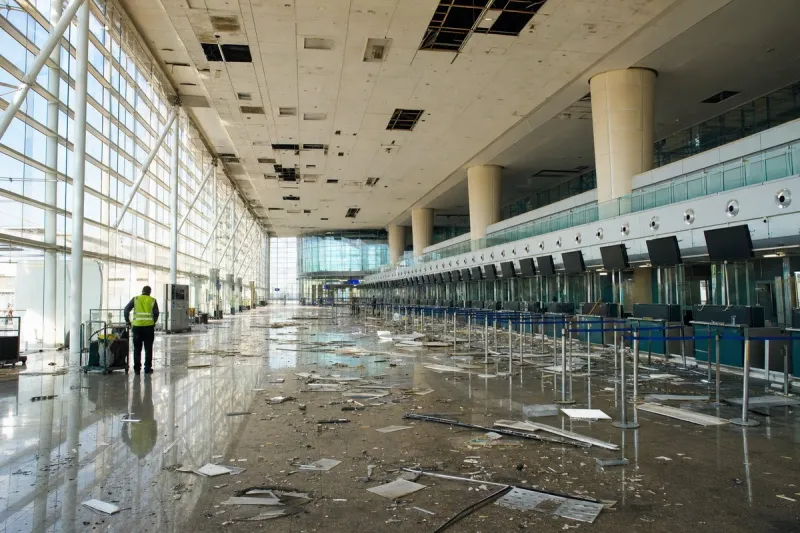
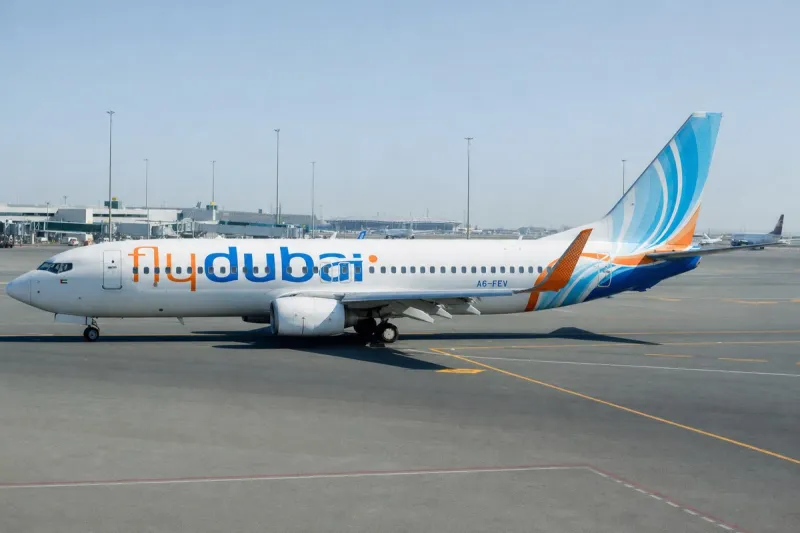
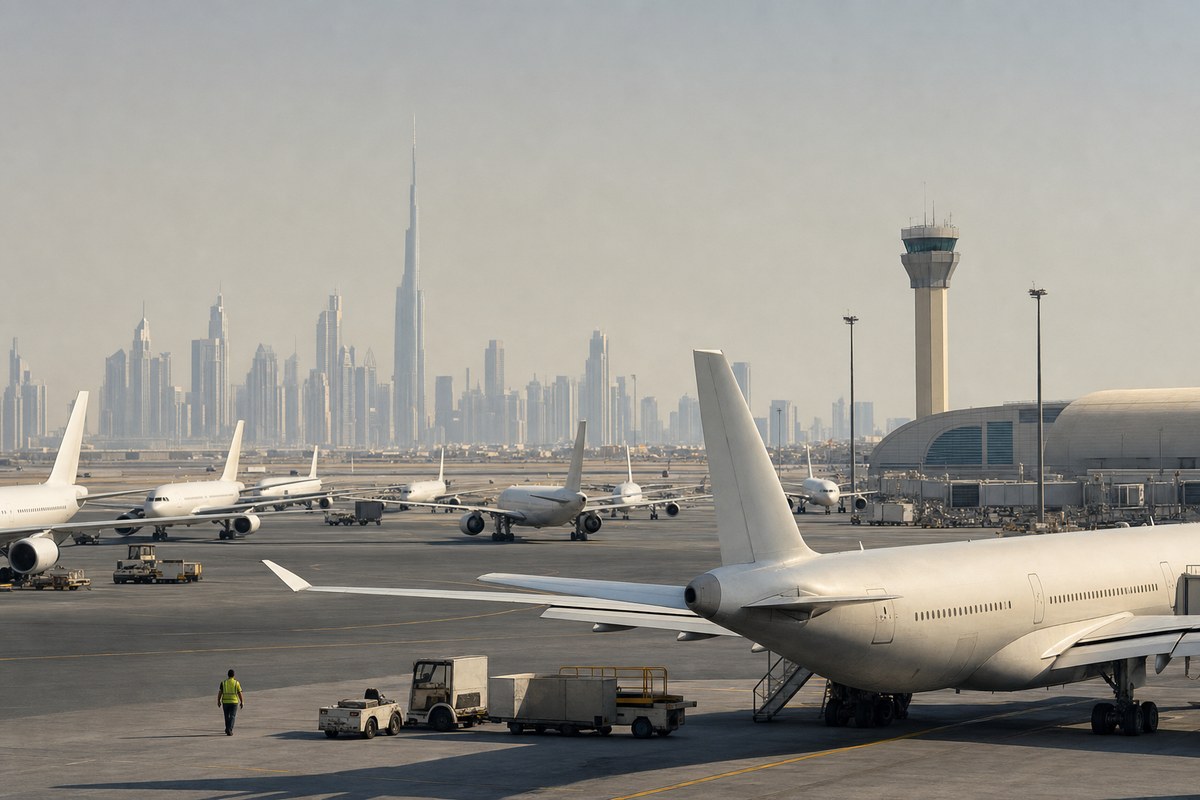
Dubai International Airport and the Al Maktoum hub logged 611 delayed departures and arrivals and 66 cancellations in a single operating day. The disruption stems from a regional conflict that began in late February 2026 and has continued to squeeze Middle East aviation through successive airspace closures and reroutings across Iran, Iraq, Jordan, Qatar and Bahrain.
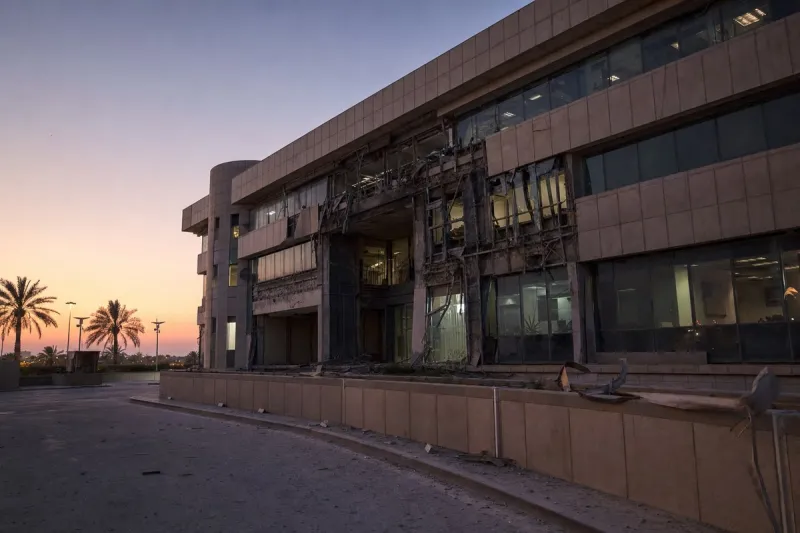
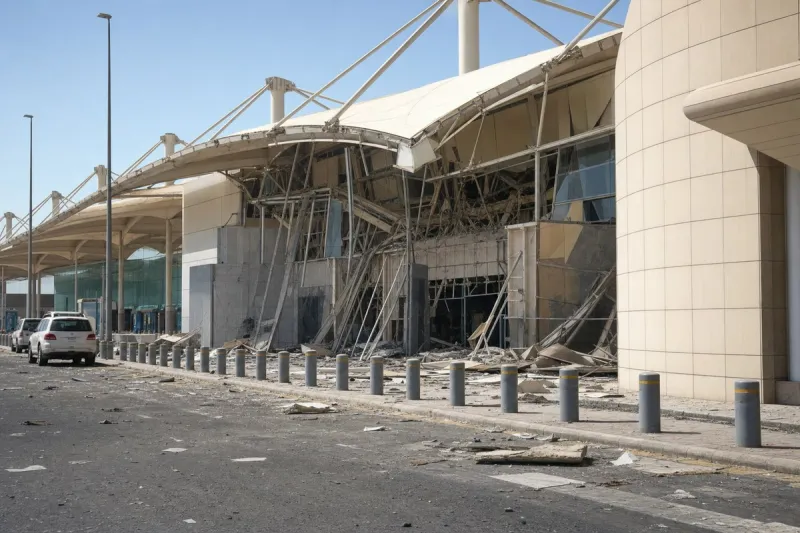
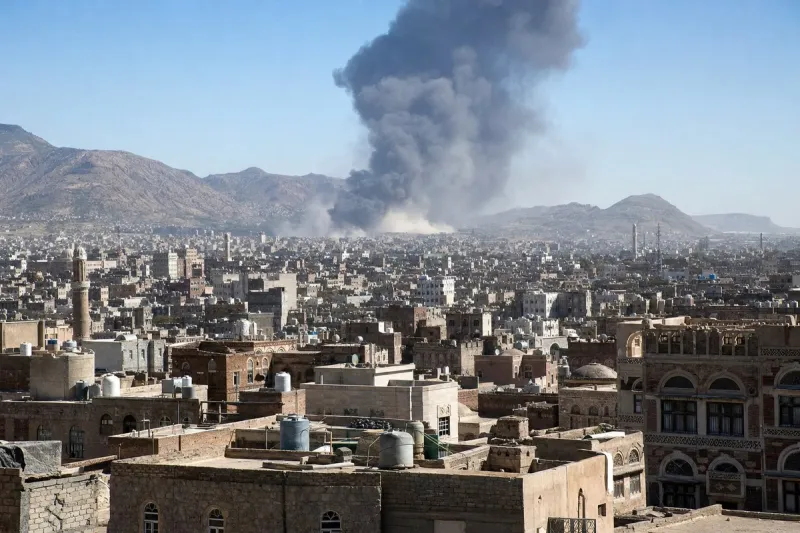
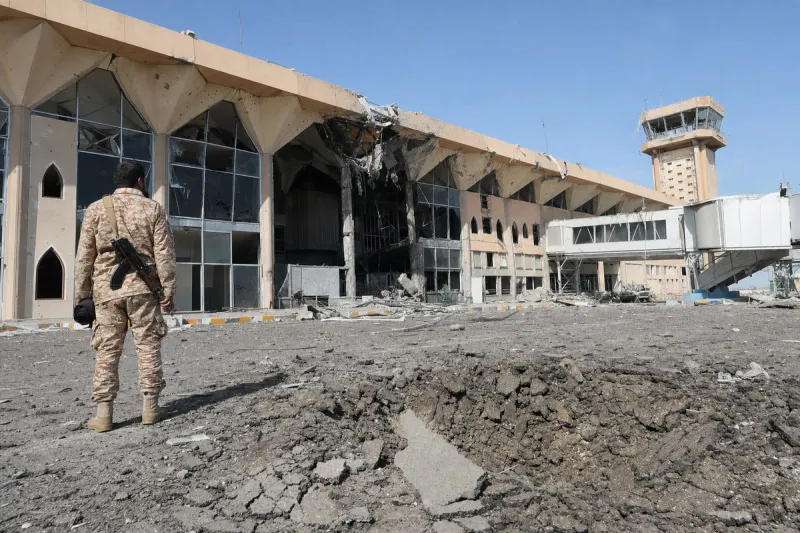
On the first weekend of the conflict, all flights at Dubai's two airports were temporarily suspended after Gulf states restricted airspace following strikes involving Iran and its adversaries. Operations later resumed at reduced capacity. Industry assessments describe the situation as the most severe disruption to Middle East air connectivity since the COVID-19 pandemic, and on some days in March more than a third of scheduled departures across the wider region failed to operate. A regional assessment covering the second quarter of 2026 found that nine leading Middle East airports collectively operated at just over half of scheduled capacity through March and April, with operations falling to roughly one third of planned flights on at least one early conflict day.
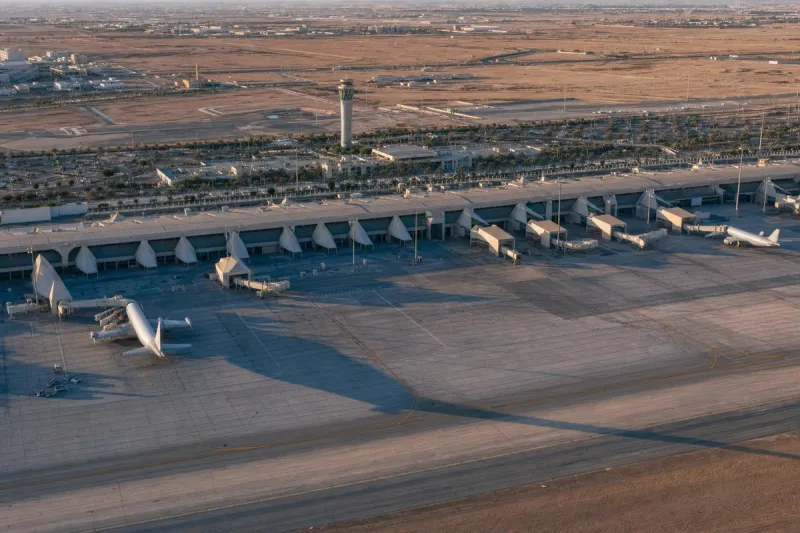
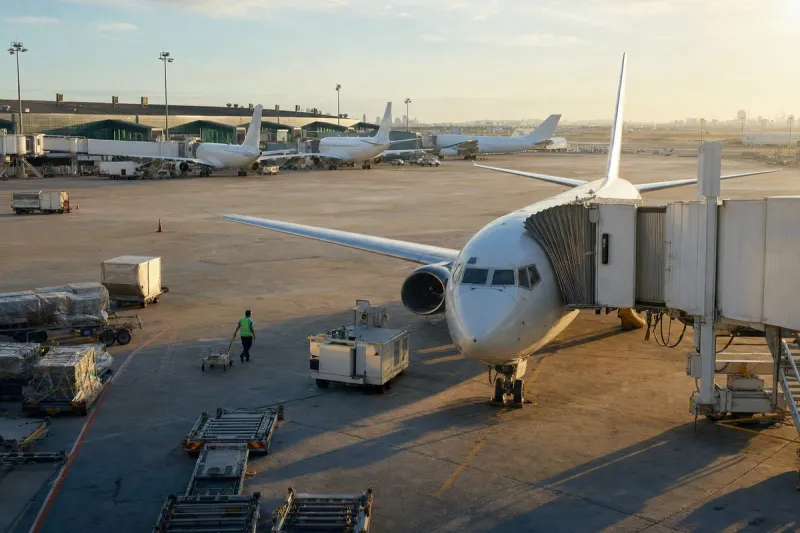
Despite the disruption, Dubai International Airport handled more than 31 million passengers in the first half of 2026 and remains the world's busiest airport for international traffic. Earlier in the year, dense fog in January had already triggered widespread delays and diversions at Dubai and nearby Sharjah. Active airspace risk advisories continue to warn of missile and drone activity in the region, and airlines based in the United Arab Emirates have adjusted schedules on regional routes and selectively suspended some connections, while government and tourism authorities maintain that UAE airports remain open and that core long-haul connectivity is largely intact.
Industry impact & what to watch
A single-day tally of 611 delays and 66 cancellations at a hub handling over 31 million passengers in six months shows how a regional airspace conflict translates into measurable daily operational strain rather than a one-off event. Because Dubai sits on the busiest international traffic corridor between Europe and Asia, any capacity reduction there does not stay local: connecting itineraries built around Gulf transfers absorb the delay even when the passenger's own flight never enters the affected airspace.
The wider regional data point to how thin the operating margin has become across nine leading Middle East airports running at just over half of scheduled capacity through March and April, with one early conflict day falling to roughly a third of planned flights. That kind of capacity compression forces carriers onto longer routings, already stretched by existing diversions around Russian airspace, which in turn eats into aircraft utilization and crew duty limits across the network.
What happens next depends on whether the active airspace risk advisories are eased or extended, and whether UAE-based carriers restore the regional connections they have selectively suspended. Passenger volumes at Dubai suggest the hub's long-haul backbone is holding for now, but the durability of that read depends on how the underlying conflict evolves in the coming weeks.