Corporate Pilot Andre Fodor Shares Strategies for Managing Flight Delays and Passenger Expectations
Why It MattersThe contrast shows that following deferred-dispatch and troubleshooting procedures under time pressure, instead of overriding them, is what keeps a delay from becoming a safety event.
What happened
Andre Fodor, Director of Aviation and Chief Pilot for Johnsonville, described handling two separate baggage-door warning incidents on the same aircraft, spaced two weeks apart. Fodor has also served as a senior demonstration pilot and instructor for Embraer Aircraft and has managed flight operations for the United Nations and for Flight Options.
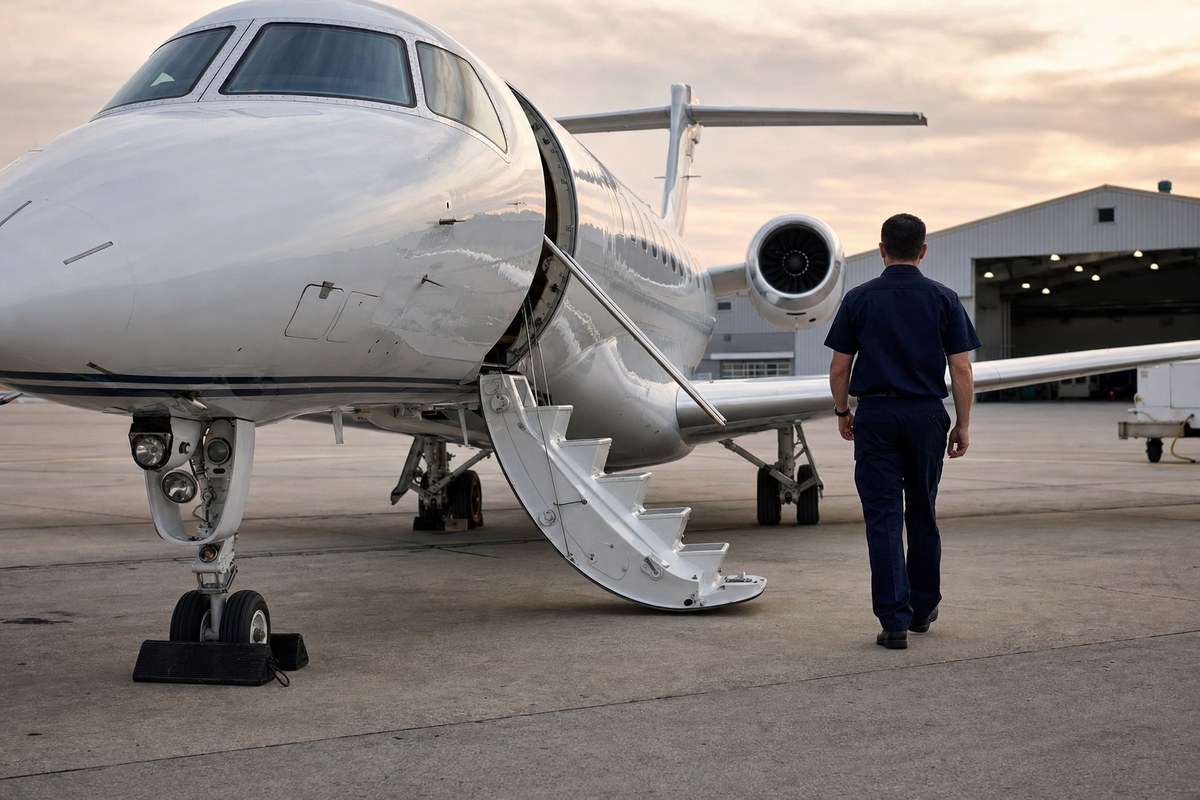
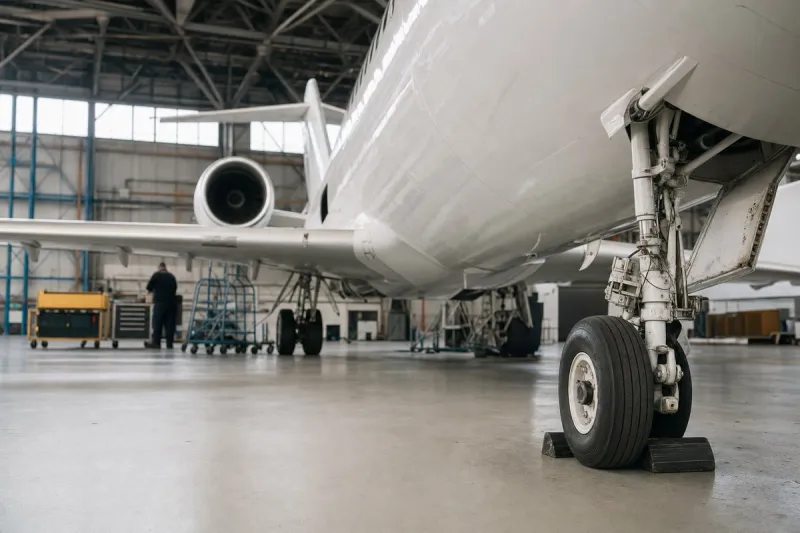
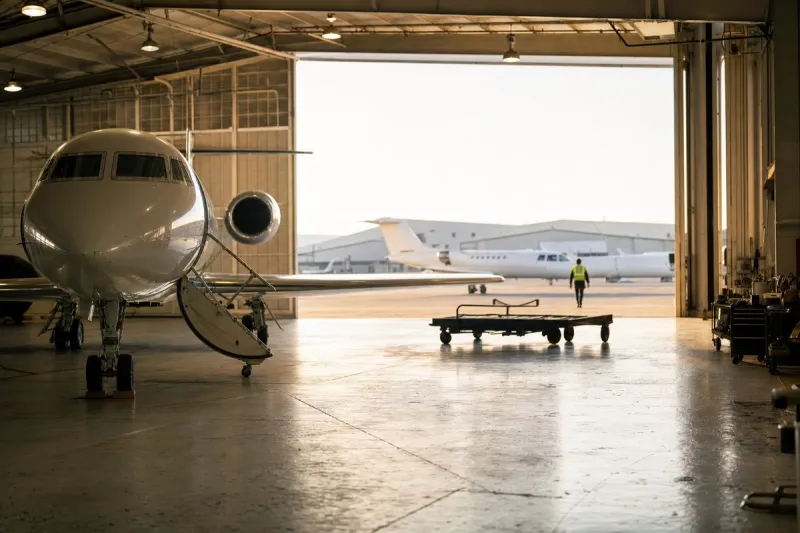
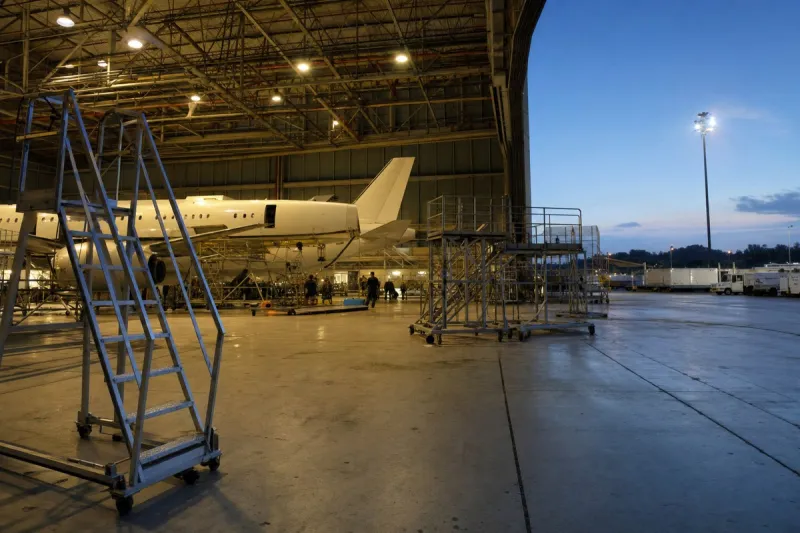
In the first incident, Fodor was preparing to position the aircraft after four months of maintenance downtime that had included an exterior repaint, a new interior, and upgraded cabin connectivity. A crew alerting system message indicated the baggage door was open. Facing a runway closure NOTAM, deteriorating weather, and a new pilot flying his first trip with the team, Fodor and his co-captain judged the indication to be faulty and departed without consulting the mechanic or following dispatch deviation procedures. The aircraft failed to pressurize aft. On the ground, a mechanic located a broken wire behind the baggage door panel, repaired it, and the aircraft departed safely several hours later. Fodor noted that on a highly electronic aircraft, any door-open sensor indication will cause a pressurization failure, and that the Minimum Equipment List entry for the malfunction was too complex to permit a deferred dispatch other than for a ferry flight to a maintenance center.
Two weeks later, a CAS alert during descent indicated an emergency door was open. This time Fodor consulted the extended Quick Reference Handbook before proceeding. A mechanic found that proximity switches indicating door position were out of limits, made a small adjustment, and returned the aircraft to service within minutes, with no disruption to the flight schedule.
How it unfolded
A mechanic finds proximity switches out of limits, makes a small adjustment, and returns the aircraft to service within minutes.
A CAS alert indicates an emergency door is open; Fodor consults the extended Quick Reference Handbook before proceeding.
A mechanic finds and repairs a broken wire behind the baggage door panel; the aircraft departs safely.
The aircraft fails to pressurize aft.
Fodor and his co-captain decide the indication is faulty and depart without consulting the mechanic or dispatch deviation procedures.
Fodor prepares to position the aircraft; a CAS message indicates the baggage door is open.
Industry impact & what to watch
The pair of incidents illustrates a recurring choice point in corporate flight operations: whether a CAS or MEL indication gets worked through published procedure or waved off under time pressure. Fodor frames the first event as poorly managed and the second as properly managed, using the same aircraft and a similar fault type to make the comparison explicit.
In corporate and charter flying, dispatch deviation procedures and MEL entries exist precisely for moments when schedule, weather, and crew unfamiliarity all push toward skipping a step. Fodor's recommendation to delegate passenger communication to a flight attendant, troubleshooting coordination to the co-pilot, and overall command to the captain is aimed at keeping the decision-maker from being overloaded at the exact moment a shortcut becomes tempting.
What will show whether these lessons spread is whether operators formalize delegation of duties and early passenger communication into their own delay-handling procedures, or leave it to individual crew judgment as happened in the first incident described.