Diesel Prices Overtake Jet Fuel in Europe as Strait of Hormuz Crisis Deepens Structural Energy Imbalance
Why It MattersThe gap shows aviation fuel security in Europe now hinges on refining capacity and import substitution rather than crude supply alone, exposing structural fragility built over two decades of refinery closures.
What happened
European diesel prices have overtaken jet fuel prices by the widest margin since July 2025, according to data from the London Stock Exchange Group. Jet fuel cargoes arriving in Europe are now priced $24 per tonne below diesel futures, a reversal of the typical seasonal spread, which historically fluctuates between -$5 and $2 per barrel.
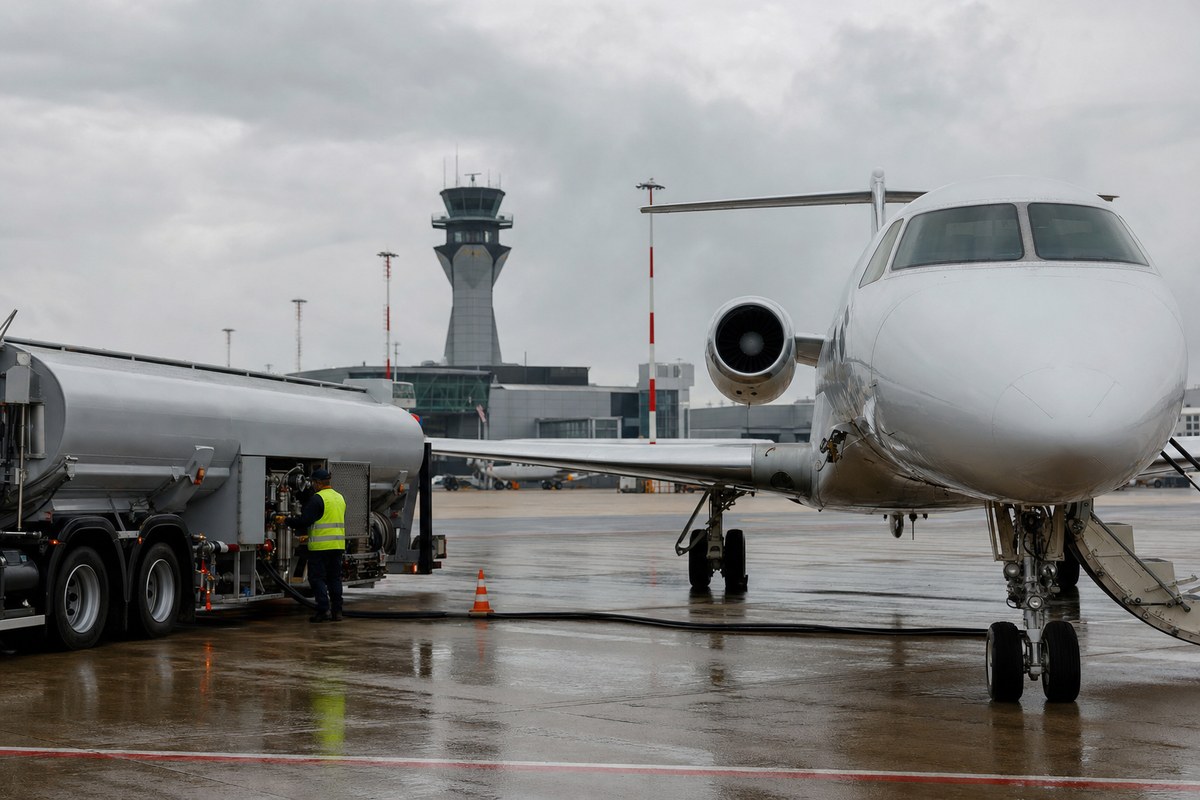
The divergence follows the crisis in the Strait of Hormuz, a route that accounts for approximately 30% to 40% of Europe's jet fuel imports; no shipments have passed through the strait since the conflict began. Expanded U.S. production, supplies from West Africa, and the release of strategic reserves have cushioned the jet fuel market, and Goldman Sachs has noted that Europe is capable of sourcing alternative jet fuel supplies to replace Middle Eastern volumes. Diesel has no comparable cushion: Goldman Sachs has warned that Europe faces significant challenges securing additional diesel supplies, since diesel demand from industrial manufacturing and agriculture is highly inelastic.
Over the past two decades, global refining capacity grew approximately 16% while Europe's declined by around 20%, as refineries closed due to thin margins, environmental regulation and anticipated energy transition pressures. In 2024, 60% of EU refining capacity closures involved diesel production units. After 170,000 barrels per day of capacity shut at Germany's Miro refinery, diesel inventories at the Port of Rotterdam remained below safety thresholds for 42 consecutive days. Approximately 60% of the kerosene used by aircraft in Europe is currently imported, and Fatih Birol, Executive Director of the International Energy Agency, has warned that Europe's aviation fuel reserves could last only about six weeks.
Industry impact & what to watch
This case shows how a single chokepoint disruption can ripple asymmetrically across fuel grades that share refining infrastructure. Jet fuel and diesel are both middle distillates produced from the same barrel of crude, so a supply shock to one can be absorbed differently than the other depending on which alternative sources exist and how elastic demand is on each side.
Europe's jet fuel market has flexed because U.S. output, West African cargoes and strategic reserves gave refiners options the diesel market lacks. Diesel's inelastic industrial and agricultural demand, combined with a shrunken European refining base skewed toward diesel unit closures, means scarcity there is structural rather than seasonal. The EU's sustainable aviation fuel blending mandates add a further claim on the same biological feedstocks, tightening the middle distillate pool from another direction.
Analysts warn that without reforms to refining capacity, supply diversification and fuel policy, diesel trading above jet fuel could become a persistent feature rather than a temporary anomaly. The six-week reserve estimate cited by the IEA's Fatih Birol marks the near-term threshold worth tracking as winter demand builds.