MOSAIC Reform Has Not Yet Closed General Aviation's Affordability Gap, Data Shows
Why It MattersWhen manufacturers each rationally chase premium buyers, the aggregate effect can narrow the entry-level customer base a regulatory reform was designed to expand.
What happened
Phase I of the FAA's Modernization of Special Airworthiness Certification (MOSAIC) rule took effect on October 22, 2025, with Phase II — establishing a new manufacturer-certification pathway under 14 CFR Part 22 — set to take effect July 24, 2026. GAMA second-quarter data show 786 piston aircraft shipped through the first half of 2026, a segment still growing in unit terms, though new-aircraft prices continue to climb well above used-market alternatives.

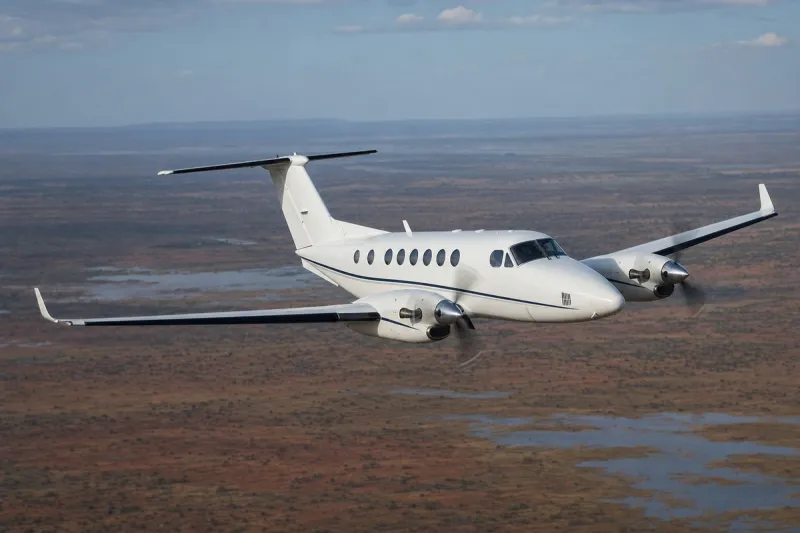
A new Cessna 172 now lists at $450,000 to $500,000, while a comparable used example can be found for $200,000 to $260,000. A new Cirrus SR22 runs roughly $1.25 million to $1.3 million, against a well-equipped used SR22 trading in the $218,900 to $564,900 range, averaging around $260,000. A new Beechcraft King Air 260 lists close to $9 million, while a well-maintained King Air 200 more than a decade old can be found for $1.5 million to $2.5 million, a discount its makers describe as 70 percent or more off new. A new Cirrus Vision Jet lists around $3.4 million.
Textron walked away from its two most affordable piston nameplates entirely during the same period. Tecnam priced its top-trim P2010-TDI Gran Lusso four-seat diesel single at $808,000 in real transaction terms including options, avionics, import and prep fees, and at Oshkosh 2026 unveiled the Rivale, a clean-sheet single powered by a 300 hp Continental diesel V-6 positioned above that price point, with pricing not yet announced. Bristell, Sling, and Van's are named as the manufacturers most closely holding the line on price for MOSAIC-eligible buyers; Bristell's MOSAIC-ready B23 has been listed in the $170,000 to $295,000 range.
On the pilot-pipeline side, consulting firm Oliver Wyman estimates a U.S. pilot shortfall of roughly 24,000 in 2026. Flight training from zero to commercial certificates plus CFI now costs approximately $124,000, a figure that continues to rise. The Air Line Pilots Association disputes the shortage characterization, attributing the pipeline problem to low regional airline pay, high training costs, and the 1,500-hour ATP rule. Separately, Pilatus PC-24 aircraft have appreciated in value, rising approximately $1.5 million to $2.0 million from original purchase prices two years ago.
Industry impact & what to watch
MOSAIC was written to widen the pool of aircraft and pilots eligible for lighter-weight, sport-pilot-accessible operation, but a regulatory pathway only changes outcomes if manufacturers build products to sit inside it at a price the target buyer can reach. The piston segment's unit growth alongside rising new-aircraft prices shows a market that can expand in volume while still moving away from the entry-level buyer the rule targeted.
Each manufacturer's move toward premium trims and higher-margin nameplates is individually rational — Textron exiting its cheapest piston models, Tecnam pricing its top trim near $808,000 and pitching a new model above that level — but the aggregate effect is a narrower set of new-aircraft options at the accessible end, even as Bristell, Sling, and Van's continue to hold price for that segment. The same divergence shows up on the used side: light piston aircraft trade at steep discounts to new, while used jets like the Pilatus PC-24 have appreciated, pointing to different supply-demand dynamics across aircraft classes.
The pilot pipeline compounds the affordability question independently of the aircraft question. Oliver Wyman's estimated shortfall of roughly 24,000 pilots in 2026 and a roughly $124,000 all-in training cost sit alongside the Air Line Pilots Association's disagreement over what is actually driving the pipeline shortfall — regional pay, training costs, and the 1,500-hour ATP rule, in its view, rather than an absolute shortage of candidates. Whether MOSAIC's Phase II manufacturer-certification pathway, effective July 24, 2026, changes any manufacturer's product-mix decisions is the next point at which this pricing pattern could shift.