Titan Aviation Fuels and Aero Specialties Form Exclusive GSE Partnership for 675+ FBO Locations
Why It MattersBranded FBO networks are increasingly bundling procurement partnerships alongside fuel supply, using collective scale to lower members' equipment costs and standardize service quality across affiliated locations.
What happened
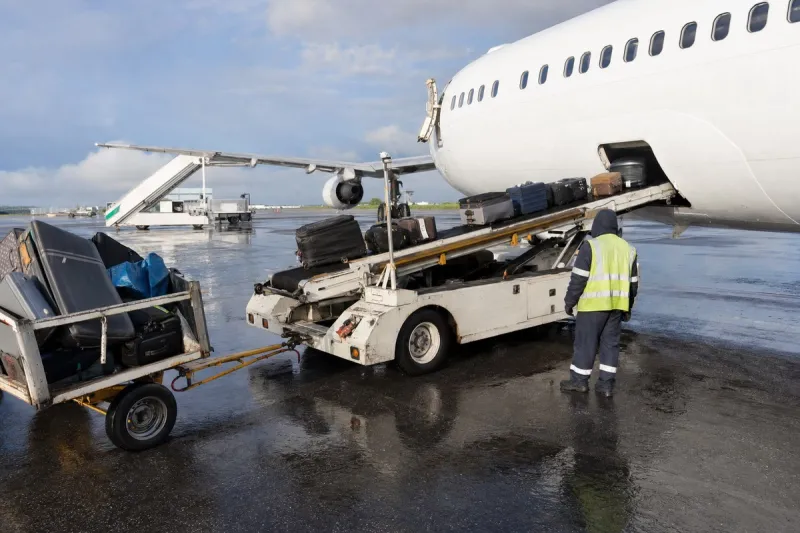
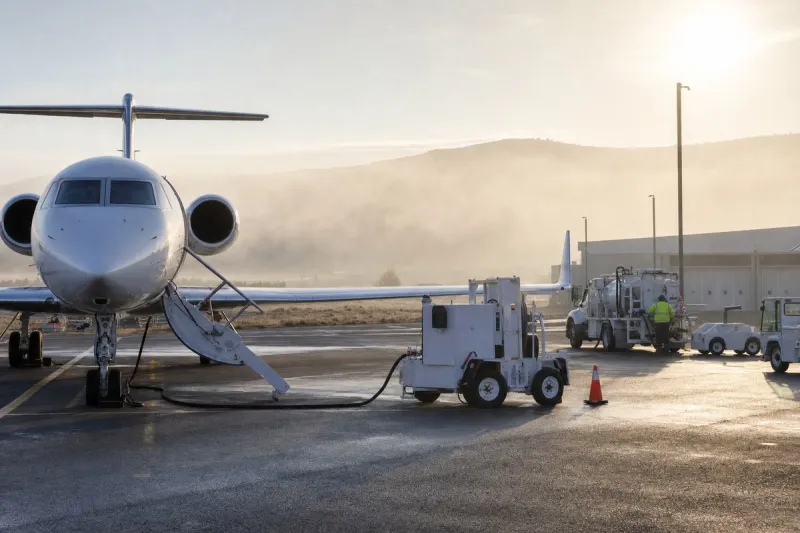
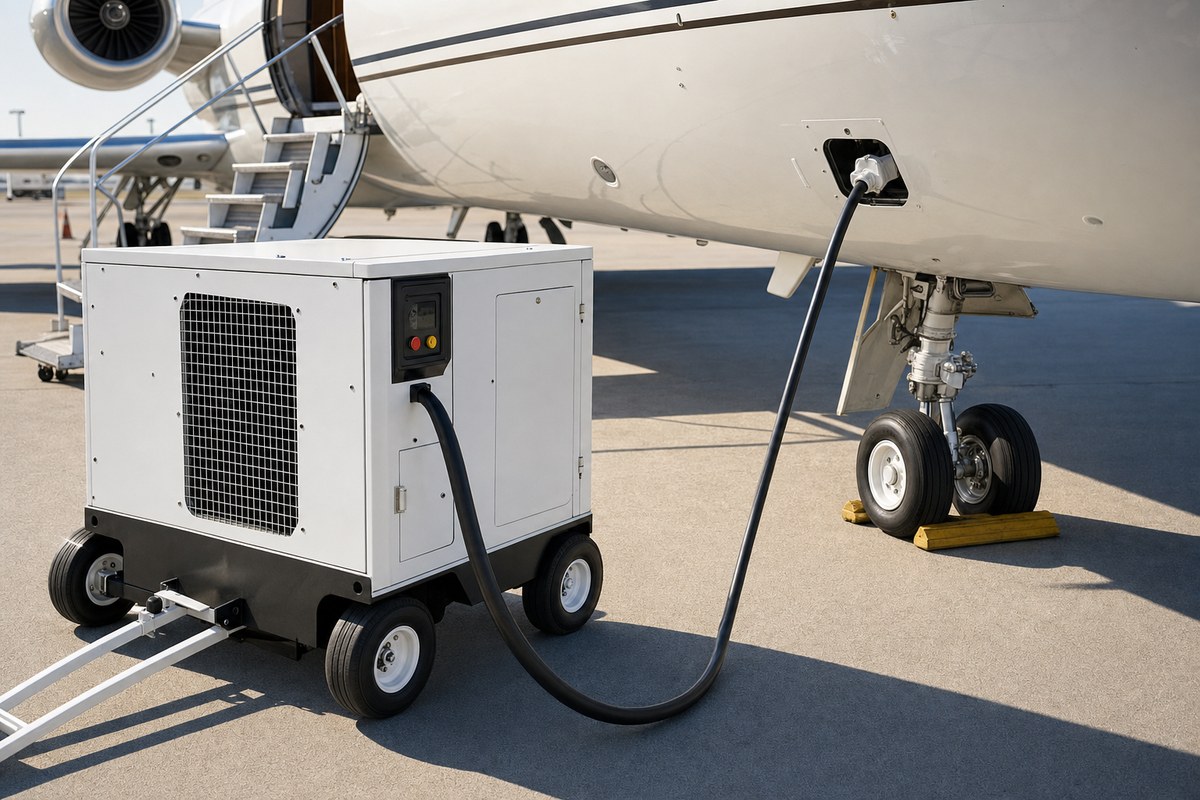
Titan Aviation Fuels has entered an exclusive partnership with Aero Specialties to launch the Titan Preferred GSE Program powered by Aero Specialties, aimed at more than 675 Titan-branded FBO locations worldwide. Participating locations will get preferred pricing on ground support equipment (GSE) and OEM parts, including sustainable, electric-powered options, along with global service and support resources, operational training, and fleet optimization expertise.
Kathy Moss, Titan Aviation Fuels' global business development director, said the company is "always looking for meaningful ways to strengthen the value we bring to our network partners," adding that "Aero Specialties has built an outstanding reputation throughout the aviation industry, and this partnership allows us to connect our FBO network with world-class equipment, support, and expertise." Aero Specialties CEO Brad Streeter said the program is intended to deliver operational and financial benefits while helping FBOs prepare for the future of ground support operations. Titan Aviation Fuels is based in North Carolina.
Industry impact & what to watch
This arrangement follows a familiar structure in FBO networks: a fuel or branding organization negotiates group pricing with an equipment or service supplier, then passes preferred terms to affiliated locations in exchange for reinforced loyalty to the network. For Titan, bundling GSE procurement with fuel supply gives independent FBO operators leverage they would not have negotiating individually, while Aero Specialties gains a large, standing distribution channel across a wide footprint.
The stated goals — reliability, efficiency, and lower total cost of ownership — are the standard metrics operators use to judge whether a GSE partnership is worth adopting versus buying equipment independently. Inclusion of electric-powered options also signals that ground equipment electrification is becoming a procurement line item rather than a niche request.
What remains to be seen is how many of the 675-plus locations actually enroll, and on what timeline the pricing, training, and support resources roll out across a network of that size.