Four Private Jet Airports Serving the New York Metropolitan Area: A Factual Comparison
Why It MattersMultiple airports with differing runway lengths, FBOs and distances from Manhattan let operators route around congestion and match aircraft size to available infrastructure.
What happened
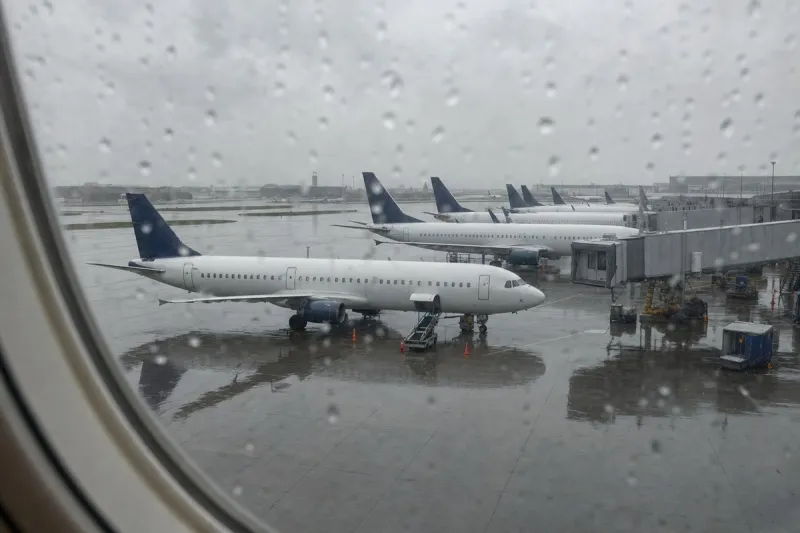
New York's aviation market handles more than 3,000 commercial flights on a normal day, with up to 270 flight operations per hour, and four airports serve private jet travelers across the metropolitan area: Teterboro, Westchester County, Republic, and Stewart International.

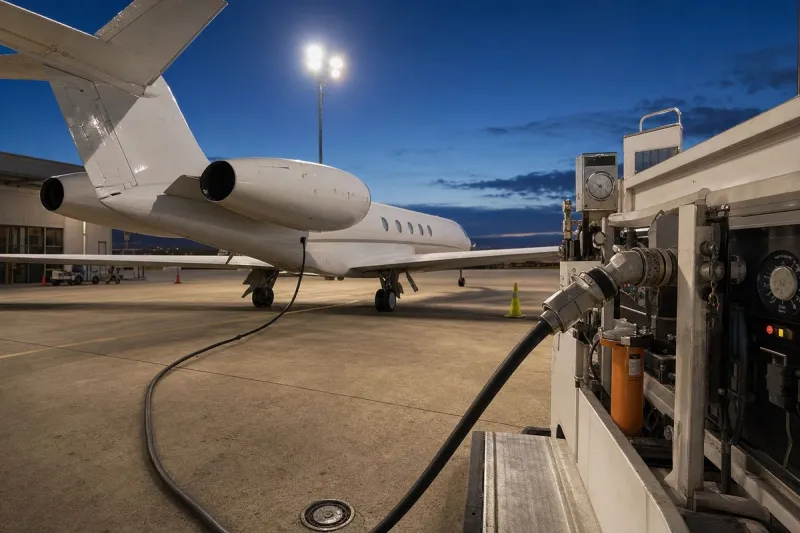
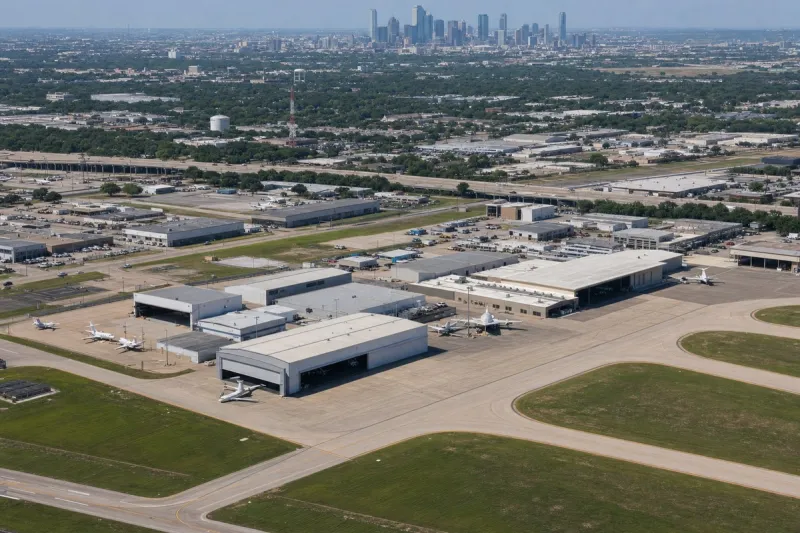
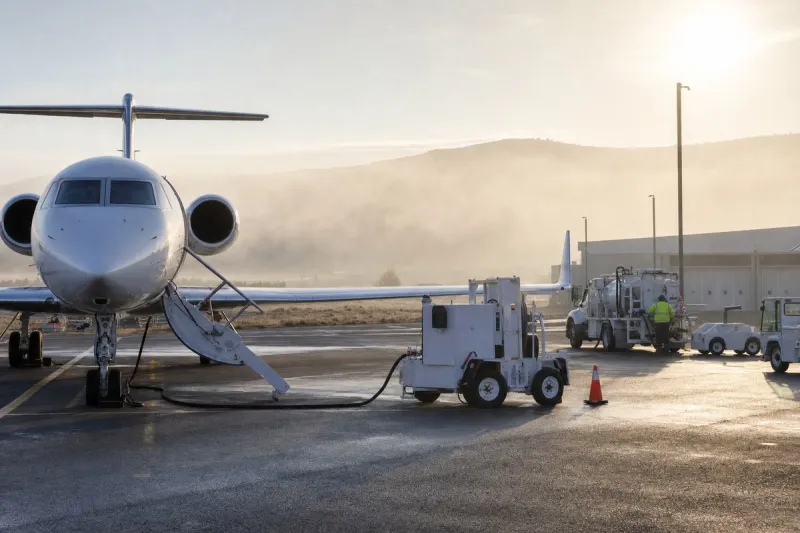
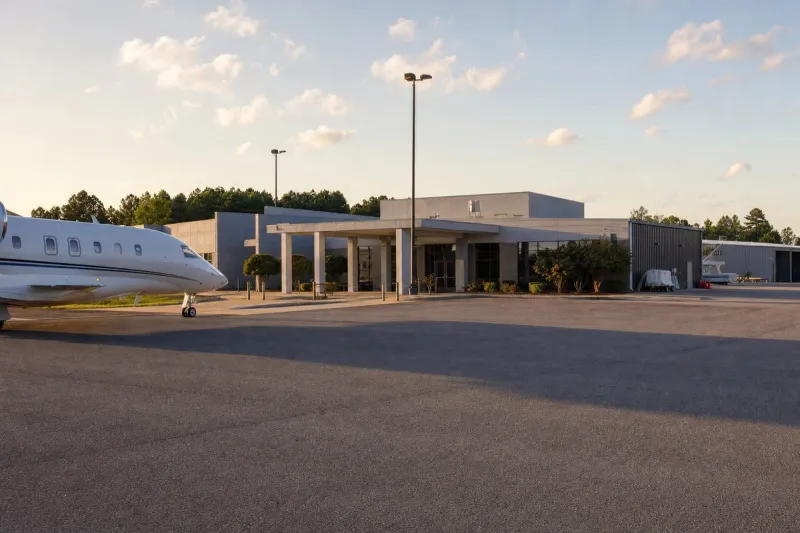
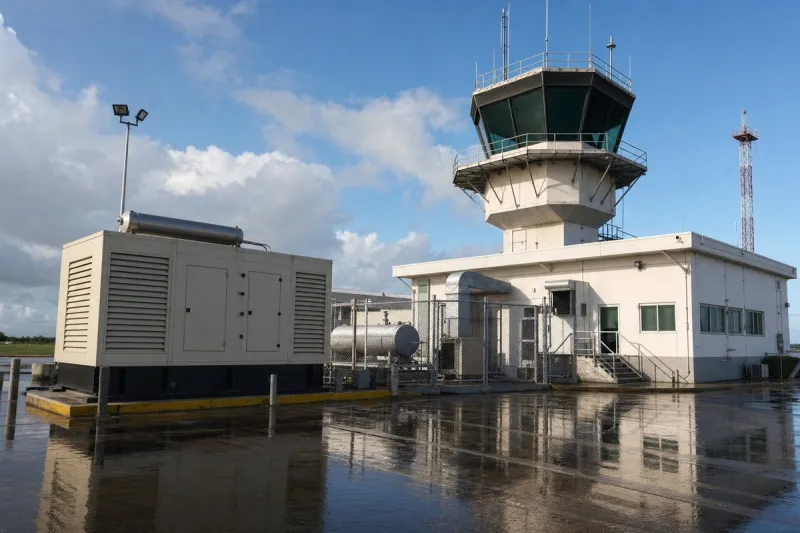
Teterboro Airport sits in New Jersey about 12 miles from Midtown Manhattan and is described as the busiest private jet terminal in the world, recording tens of thousands of business jet departures each year — nearly double the traffic of its nearest competitors. Its 7,000-ft runway supports large jets, and its FBOs include Signature Aviation (operating the main terminal and Signature TEB West, with fuel, hangars, de-icing, and lounges), Atlantic Aviation (24/7 ground handling and heated hangars), and Jet Aviation (lounges, conference rooms, and pilot rest facilities).
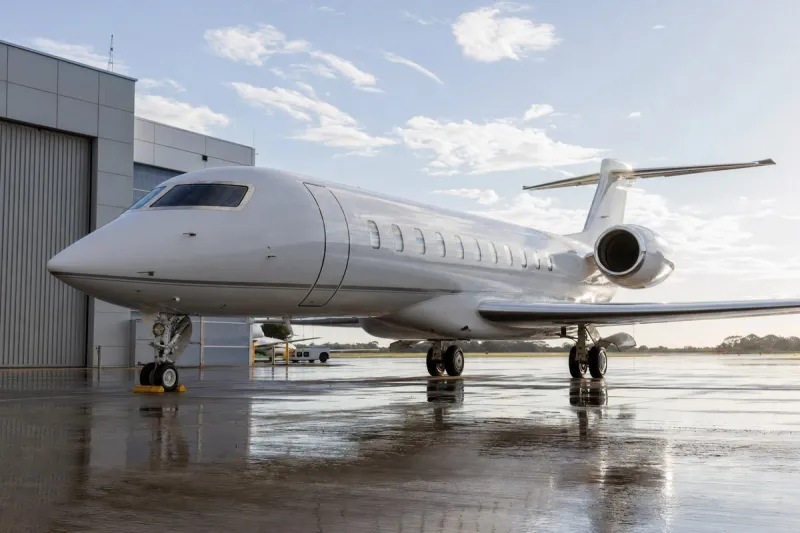
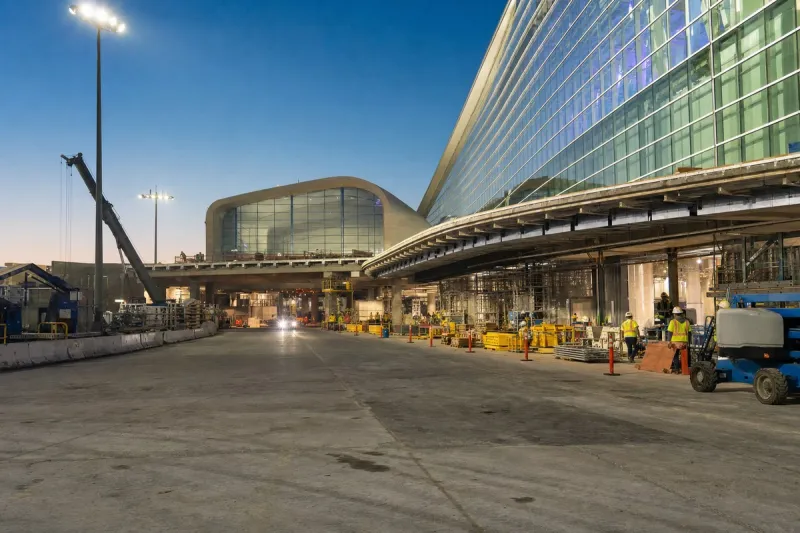
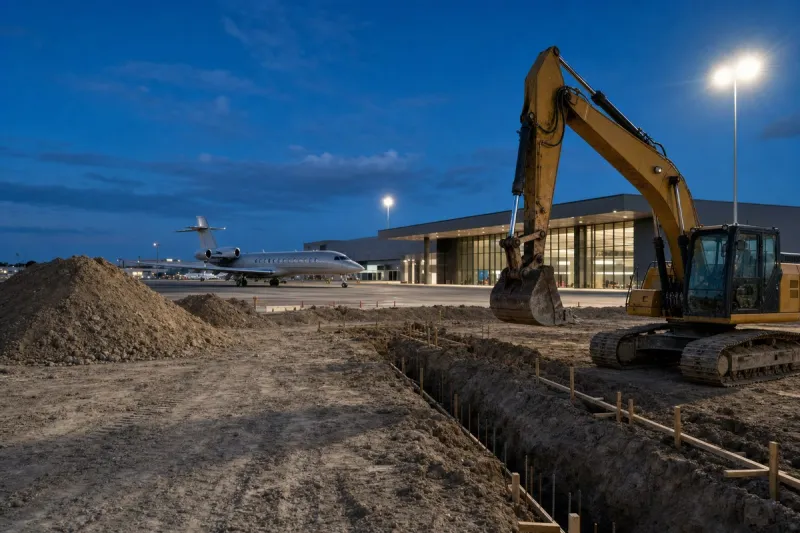
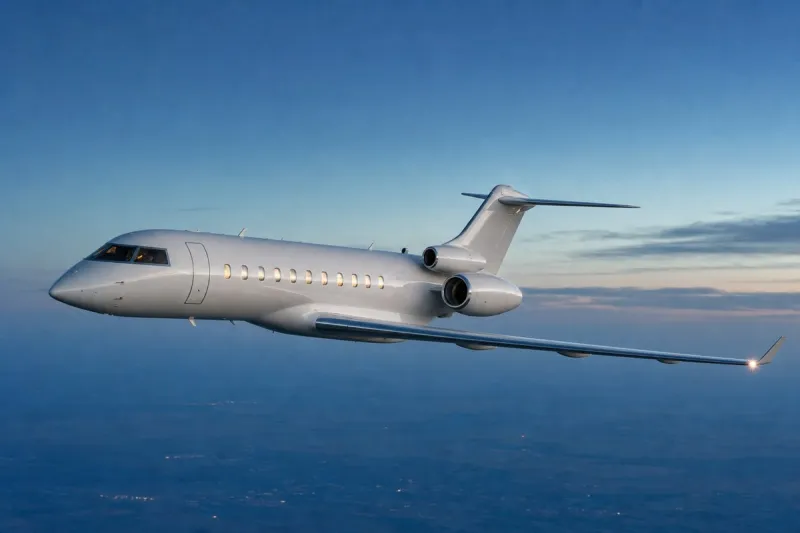
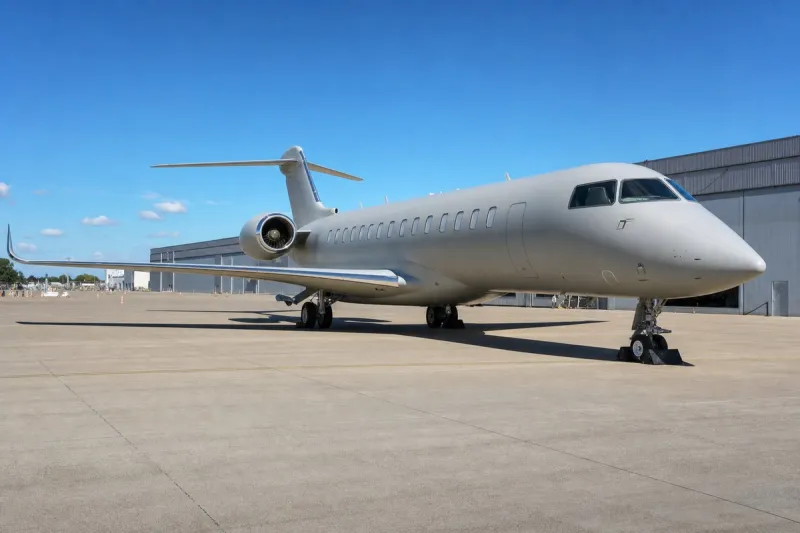
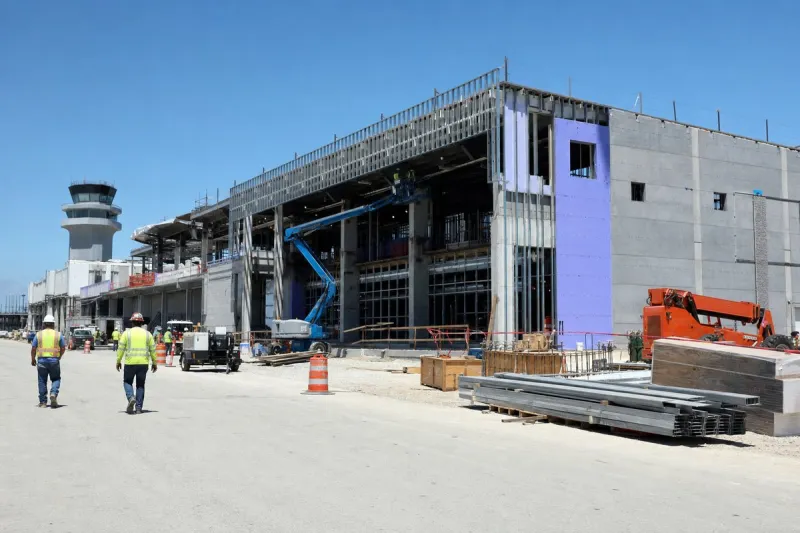
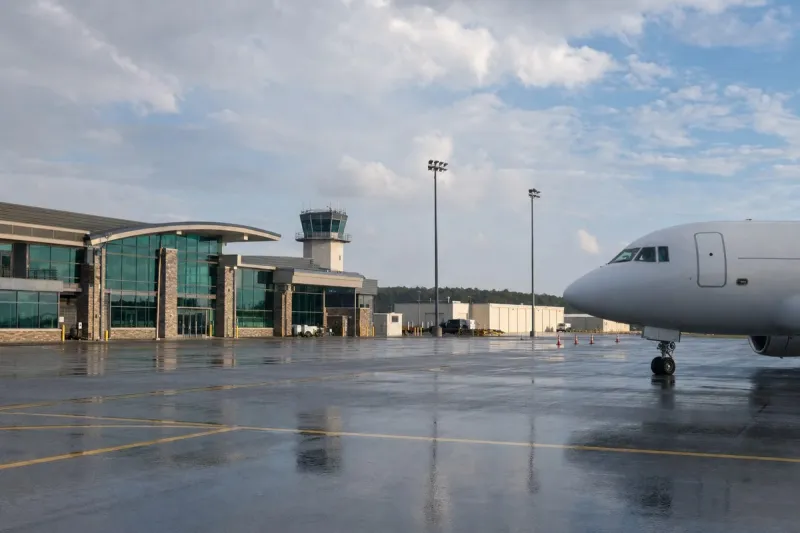
Westchester County Airport is located in West Harrison, New York, 33 miles north of Manhattan, with a 6,549-ft main runway accommodating super-midsize and large long-range jets such as the Gulfstream G650 and Bombardier Global 7500. Its FBOs include Million Air White Plains, featuring a stone fireplace lounge, indoor golf simulator, and Mercedes-Benz crew cars, and a 24-hour Signature Aviation facility. The airport is currently undergoing its largest infrastructure transformation.
Republic Airport in Farmingdale, New York, sits 54 miles east of Manhattan, covers more than 1,300 acres, and has three runways, the largest approximately 7,000 ft long and 150 ft wide, plus two helipads. Its 6,827-ft main runway handles super-midsize jets including the Gulfstream G650 and Bombardier Global 7500. During World War II, more than 9,000 P-47 Thunderbolts, as well as the F-84 Thunderjet and F-105 Thunderchief, were manufactured on site.
Stewart International Airport in New Windsor, New York, is 40 miles west of Manhattan and features a 12,000-ft runway capable of handling all jet sizes including ultra-long-range aircraft such as the Gulfstream G800. Two FBOs — Signature Aviation and Atlantic Aviation — operate on site, along with 24-hour air traffic control, US Customs and Border Protection facilities, and hangar and tie-down space. The airport was previously designated an emergency landing site for NASA's Space Shuttle, and it was overflown by the Hindenburg in 1936.
Industry impact & what to watch
This is a case of a single metro area being served by a cluster of general aviation airports rather than one dominant field, each differentiated by runway length, FBO capacity, and distance from the urban core. Teterboro's runway and FBO footprint suit high-frequency large-jet traffic close to Manhattan, while Westchester, Republic, and Stewart absorb overflow, serve different geographic catchments such as the Hamptons or the Hudson Valley, or handle aircraft — like the Gulfstream G800 — that need longer runways than Teterboro provides.
How this segment works in practice is a matching exercise between aircraft type, runway length, and proximity: an ultra-long-range jet needing 12,000 ft has only Stewart among these four, while a super-midsize jet has three viable fields to choose from depending on congestion and destination. FBO amenities and staffing, from 24-hour ground handling to Customs facilities, further narrow which airport suits a given trip.
Westchester County's ongoing infrastructure work is the one dated development among the four that could shift capacity balance in the region; how it changes runway or ramp capacity there will determine whether it absorbs more of Teterboro's overflow traffic in the near term.