Comlux Aviation Expands Fleet with Second Global 8000, Eyes Middle East and Africa Growth
Why It MattersAs fuel costs and regional risk climb, charter and management operators that lack scale, transparent surcharge policies and permanent regional infrastructure face rising pressure to consolidate or exit.
What happened
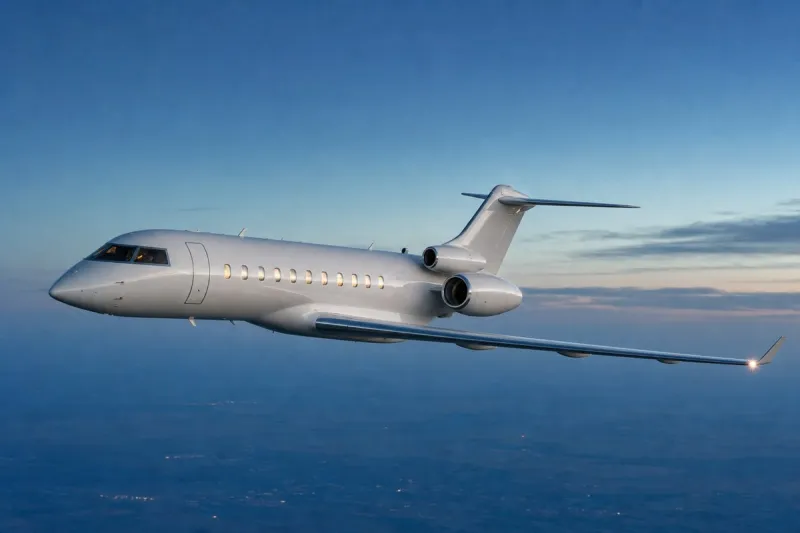
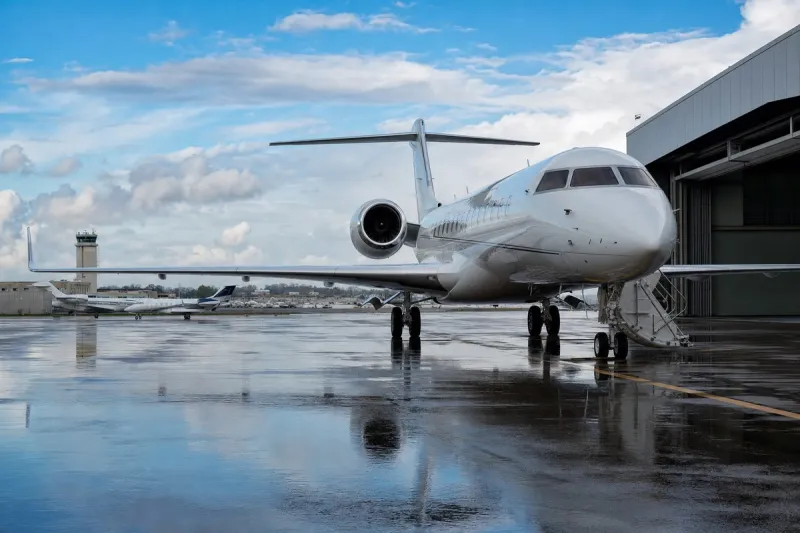
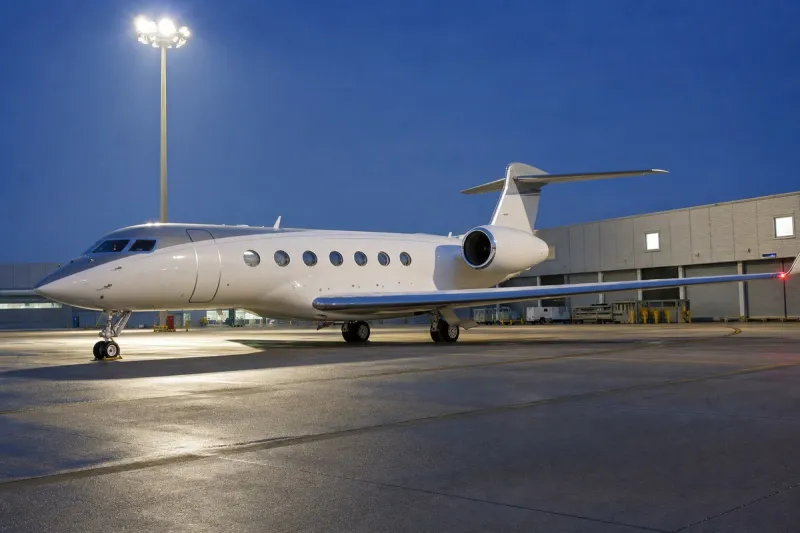
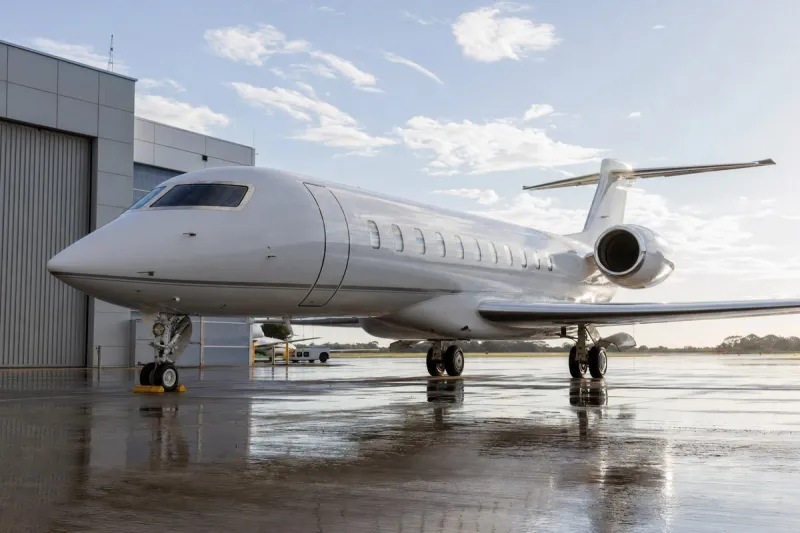
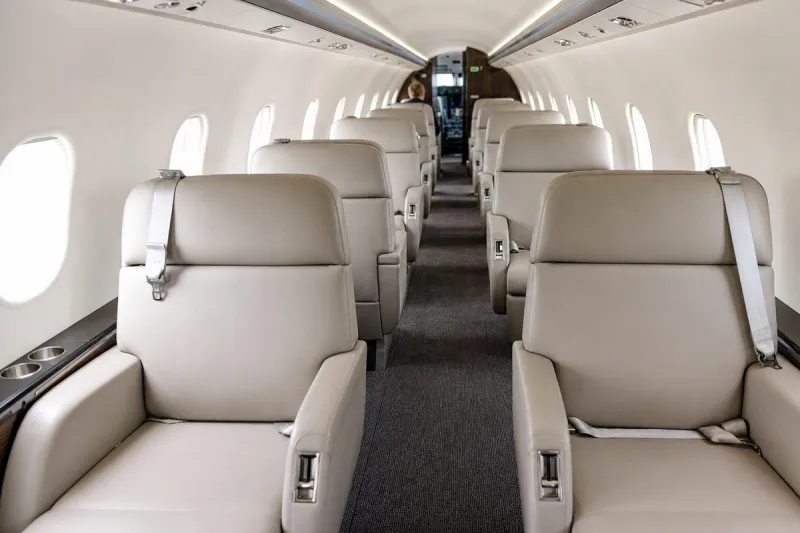
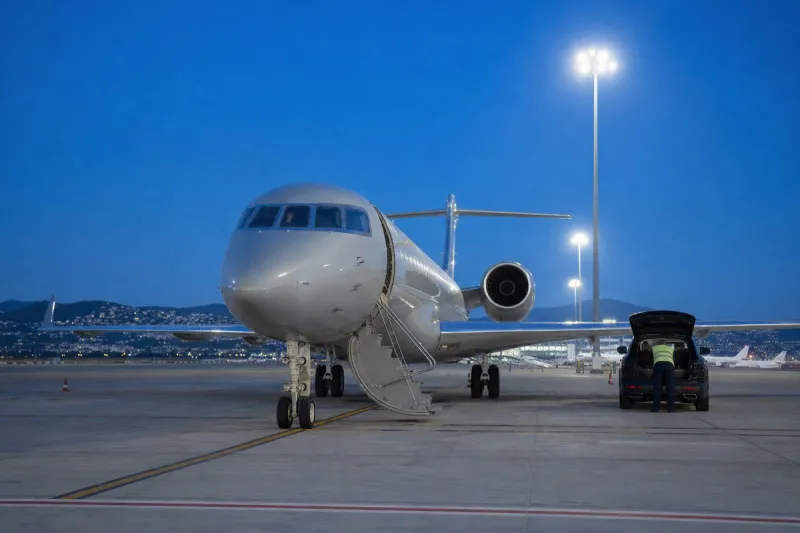
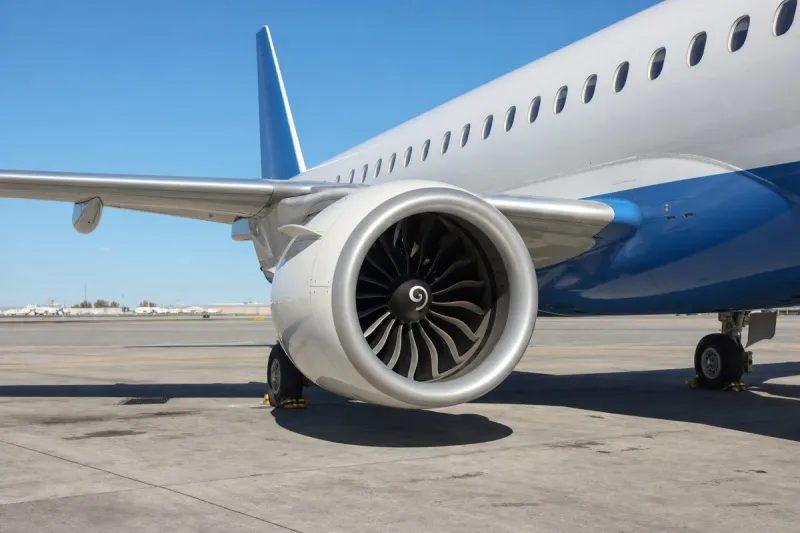
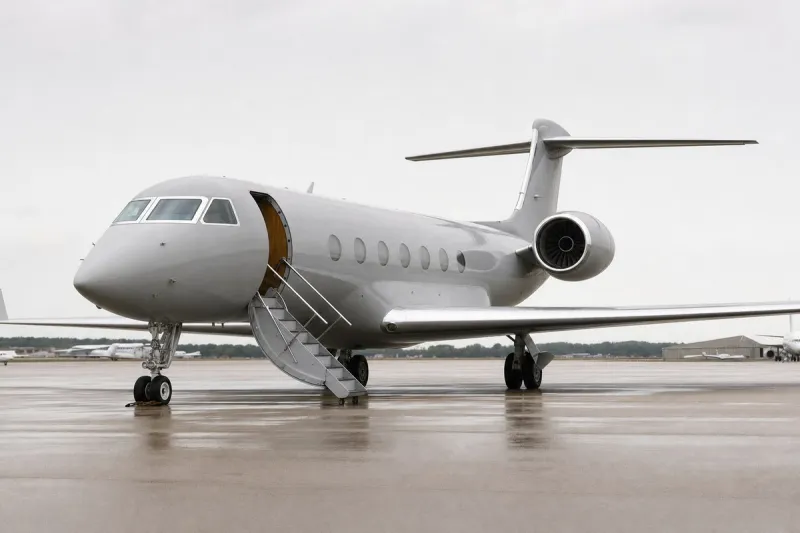
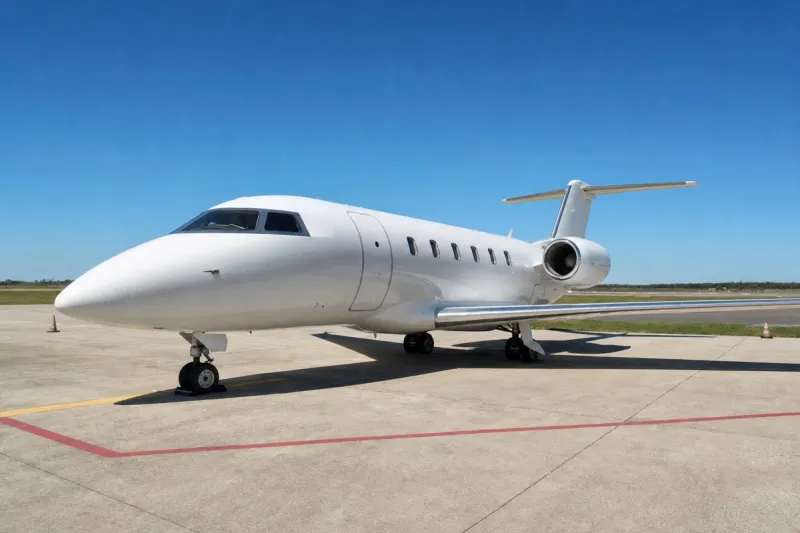
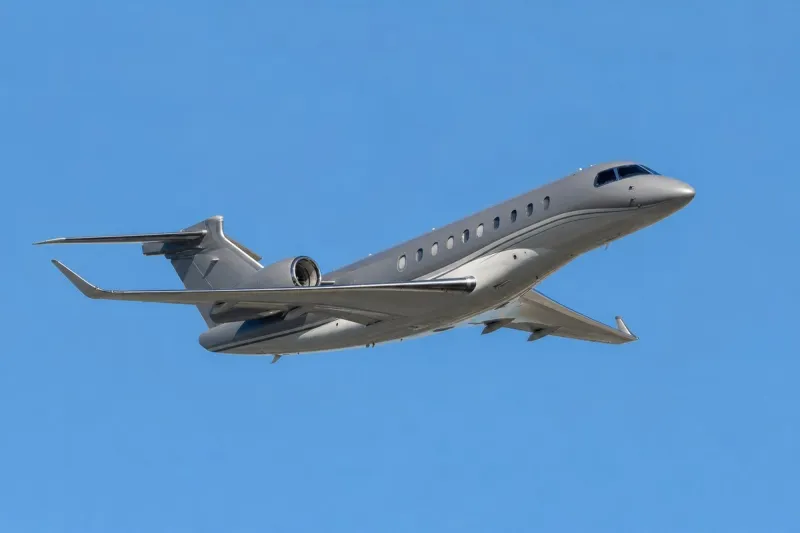
Comlux Aviation has added a second Bombardier Global 8000 to its managed fleet, with a third aircraft of the same type expected to join in November and a Global 6500 anticipated before year-end. The Swiss-based operator currently manages 25 aircraft for private owners, with roughly half of its fleet comprising VIP-configured Airbus and Boeing airplanes.

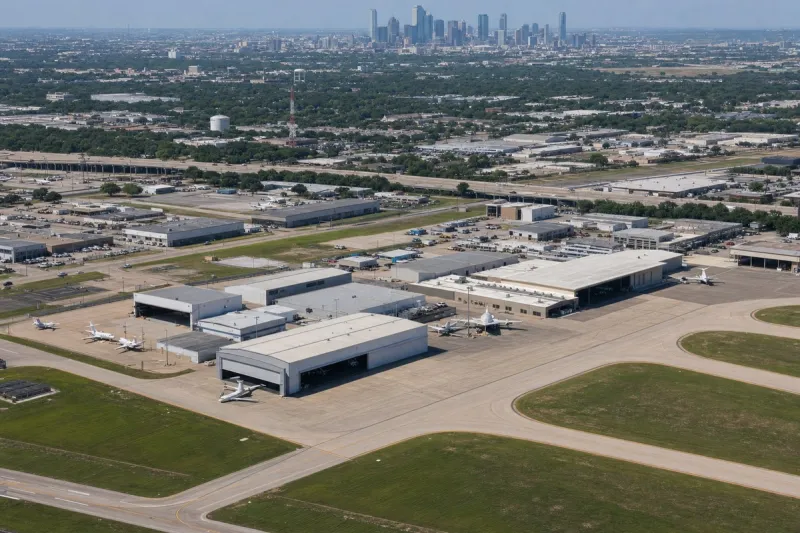
CEO Andrea Zanetto told AIN that despite ongoing military conflict in the Middle East, the region remains a key hub of charter activity, with customers there frequently requiring larger aircraft to accommodate bigger groups. Activity dropped in March, but Comlux has since seen strong demand for flights to and from the region. The company has established a permanent base, including maintenance, repair, and overhaul facilities, at Dubai Al Maktoum International Airport (OMDW).
Africa is another priority market for Comlux, which holds multiple air operator certificates across that region. Beyond private clients, the company provides aircraft to several African governments that lack their own fleets and require long-range travel with sizeable official delegations. Zanetto highlighted security assessment and robust insurance coverage as essential for operating in both regions, noting that Comlux crews conduct flights there daily and maintain awareness of operational and regulatory requirements.
Following the Gulf conflict that began at the end of February, Comlux had anticipated fuel shortages and sharp price increases. In practice, no delays or flight plan changes resulted from fueling issues, though jet-A fuel costs have remained elevated and now represent a higher share of operating costs than previously. Comlux addressed this by applying a transparent fuel surcharge policy, charging customers the actual fuel cost at the time of travel with no additional margin.
Industry impact & what to watch
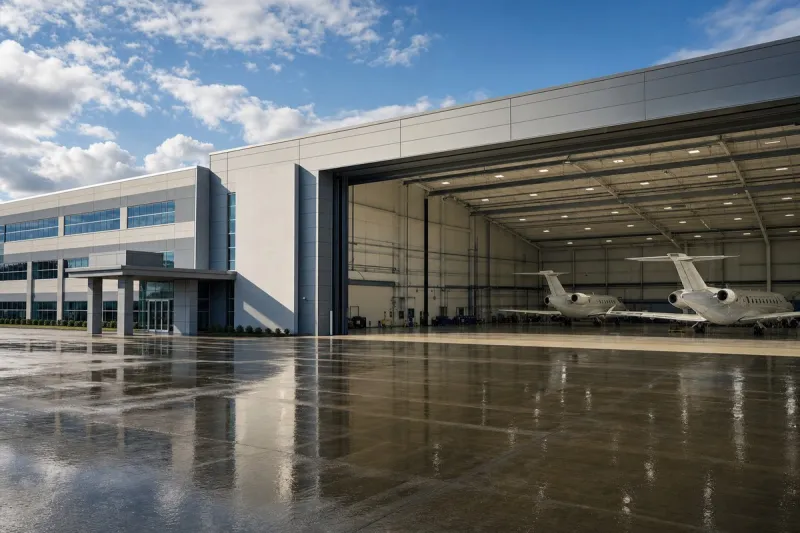
Comlux's experience points to a broader pattern in charter and aircraft management: operators with permanent regional infrastructure and diversified fleets can keep flying through geopolitical disruption while smaller players absorb the shock. Having an MRO base at Dubai Al Maktoum International Airport and multiple African air operator certificates let Comlux maintain continuity when fuel costs rose and conflict disrupted the operating environment, rather than pulling back from the region.
The fuel surcharge approach also illustrates how management companies are handling cost volatility without eroding customer trust: passing through actual fuel cost at time of travel, with no margin added, keeps pricing defensible even as jet-A costs claim a larger share of operating expense. That kind of transparency becomes a competitive tool when smaller operators either absorb losses they cannot sustain or add opaque surcharges that push clients elsewhere.
Zanetto's expectation of further consolidation as smaller operators exit is consistent with a market where scale, regional presence, and seasonal demand patterns increasingly separate operators that can weather disruption from those that cannot. Whether that consolidation accelerates will likely hinge on how fuel costs and regional security conditions evolve through the Northern Hemisphere winter and into the next summer season, and on whether owners of large-cabin aircraft like the Global 8000 continue directing management contracts toward operators with established Middle East and Africa infrastructure.