AMAC Aerospace Turkey Completes C Check and 12-Month Inspection on Two Dassault Falcon Aircraft in Istanbul
Why It MattersHeavy checks on business jets routinely surface hidden faults across hydraulics, engines and structure, showing why MRO scope and turnaround times rarely match the inspection's original label.
What happened
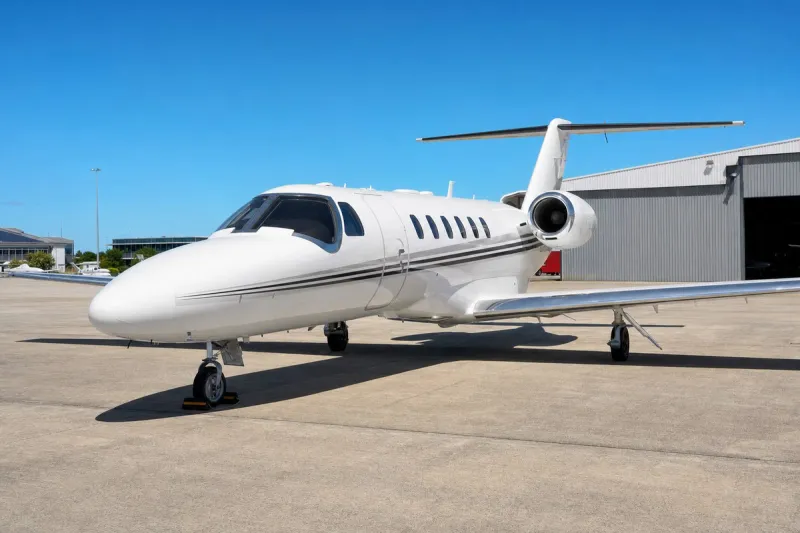
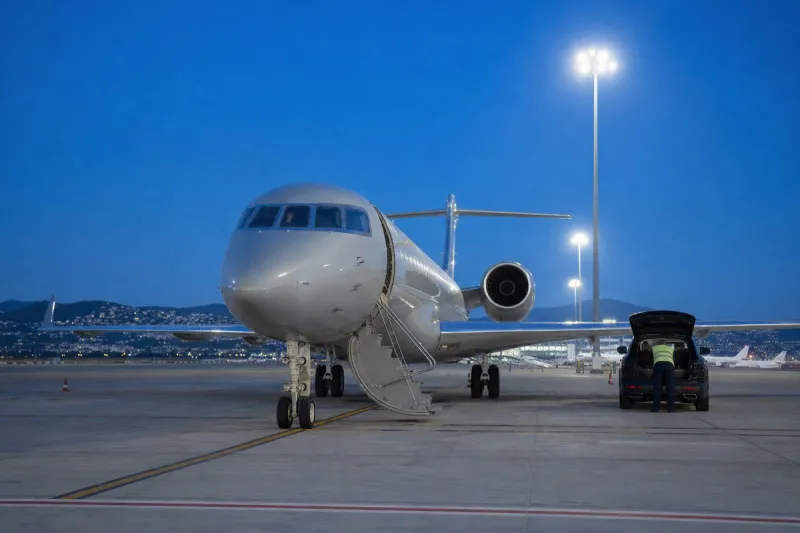
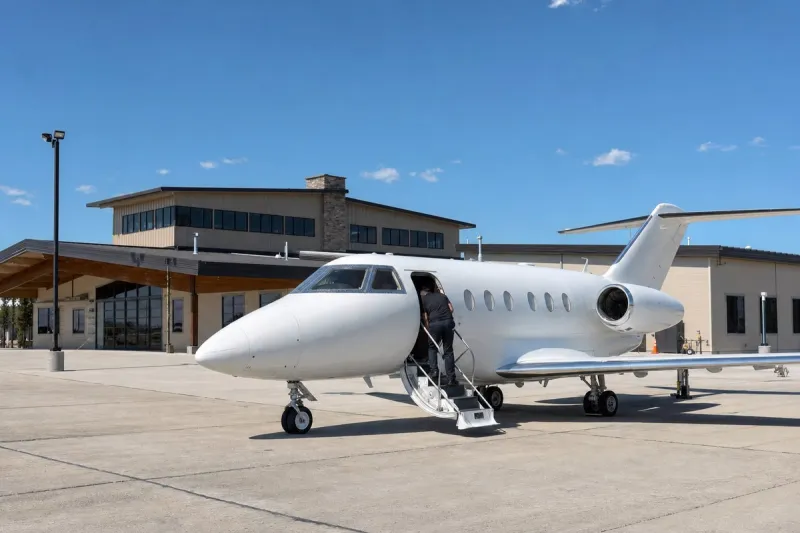
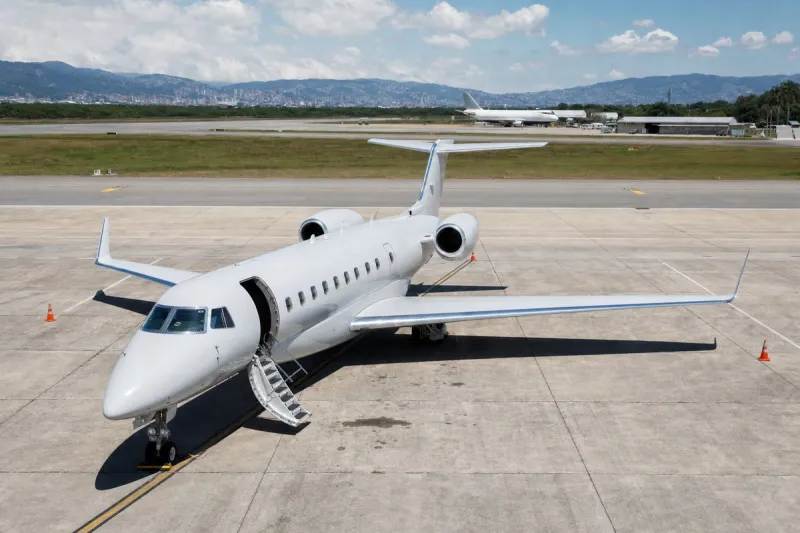
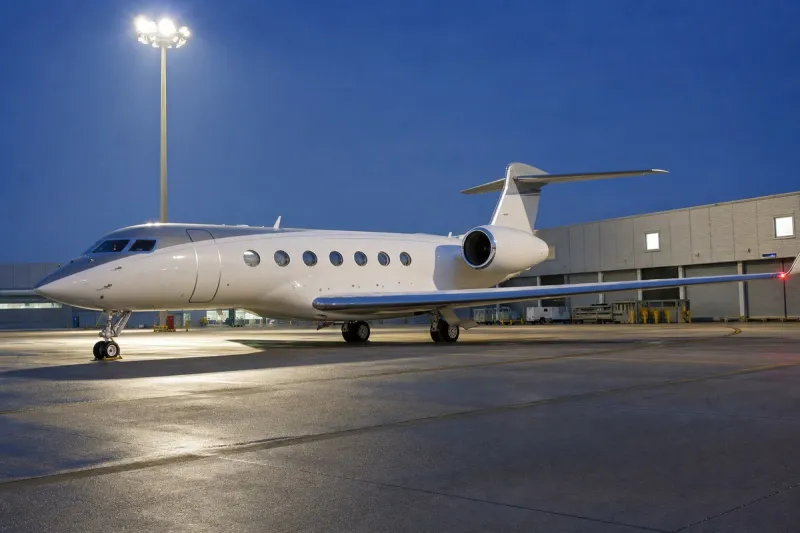
AMAC Aerospace Turkey redelivered two Dassault Falcon aircraft in July following heavy maintenance inspections carried out at its Istanbul hangar. The first, a privately owned Falcon 2000, underwent a C check encompassing 12-, 24-, and 36-month inspections as well as 1B, 1C, and 2C checks. Landing gear and flight control components were sent out for overhaul, and the head-up guidance computer was sent for repairs.
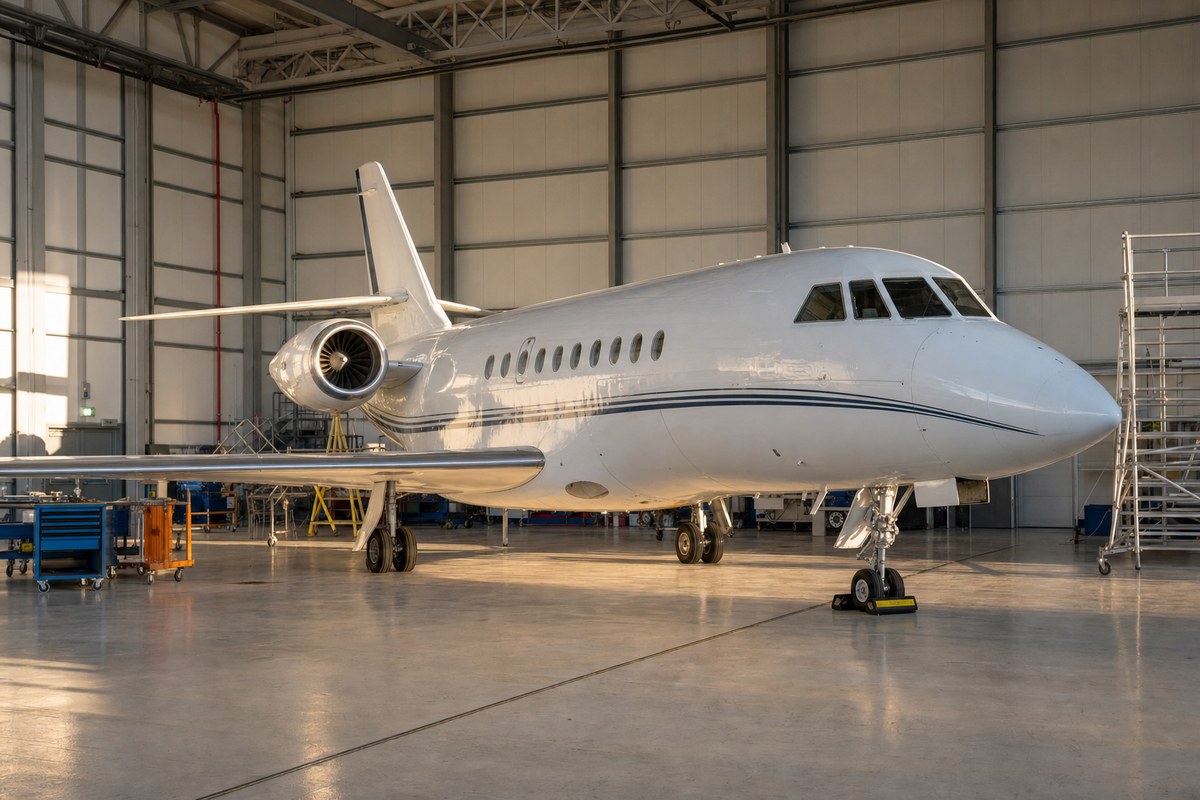
During the work on the Falcon 2000, corrosion was discovered on the engine inlet skins; blend-out was performed to remove it and protective treatments were applied. A hydraulic leak was found under the Hydraulic System 1 reservoir, leading to replacement of the shut-off valves. Water leaks were also detected around the aircraft.
The second aircraft, a Falcon 2000LXS belonging to a long-term customer, underwent a 12-month inspection covering annual inspection tasks, a basic inspection, and out-of-phase tasks. One engine was inspected and troubleshot due to a surge event. The auxiliary power unit actuator modulating diffuser vane was found faulty and replaced, and eroded engine igniter ceramic parts were replaced with new units. Missing lightning stripes were identified and replaced, the main wheels were sent to the shop for tire replacement, and various system servicing operations were performed.
Industry impact & what to watch
This pair of inductions is a typical case of scheduled heavy maintenance becoming a broader discovery process: a routine C check and a 12-month inspection both turned up unplanned findings, from corrosion and hydraulic leaks to a faulty APU actuator component and eroded igniters. In business-jet MRO, the calendar-driven check name sets the baseline scope, but the actual work package expands once technicians open up the airframe, engines, and systems, which is why landing gear, flight controls, and avionics components routinely get pulled and sent to outside repair shops mid-check.
For operators and owners, these findings underline that budgeting and scheduling around a named check interval only covers the starting point; the eventual hangar time and cost depend on what corrosion, leaks, or component wear are uncovered once the aircraft is opened. Whether either aircraft required extended downtime beyond the standard scope for these checks, and how AMAC's Istanbul facility handles similar findings on future inductions, remains to be seen in subsequent redeliveries.