US Flight Delays and Cancellations Rise in Early September 2026 Amid Storms, Labor Day Rush, and Hub Congestion
Why It MattersThe disruption shows how weather-driven flow control at a handful of major hubs can ripple through connecting banks nationwide, testing airline resilience measures during peak-demand, hurricane-season travel windows.
What happened
Flight-tracking data from FlightAware's MiseryMap and US region status pages on September 5 and 6 showed disruption clusters around New York-area airports, Atlanta, and several Gulf Coast airports, where afternoon thunderstorms and lingering tropical moisture intersected with dense schedules during the Labor Day weekend, spanning approximately September 3 to 7. The FAA issued a series of weather-related traffic management initiatives for early September, including miles-in-trail restrictions and flow control programs to manage arrivals at the busiest airports. Public FAA advisory logs also documented targeted ground stops and delay programs at individual airports, including Washington National and other East Coast fields, in the final days of August and the start of September, most linked to thunderstorms and low ceilings.
AAA's late-August outlook indicated that aviation bookings for the holiday period were running ahead of 2025 levels, with major leisure markets in Florida, the Mountain West, and the Northeast among the most sought-after destinations. Historical data cited in consumer reports show that some carriers have regularly seen more than one in five flights depart late during the Labor Day window, with cancellation rates also above shoulder-week averages.
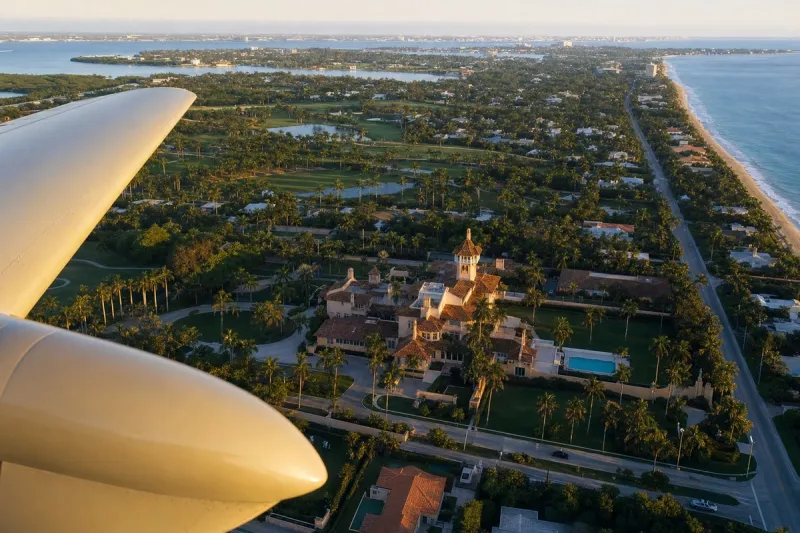
A Federal Register notice issued earlier this year noted that projected operations at Chicago O'Hare for Summer 2026 were expected to exceed the airport's declared capacity, prompting the Department of Transportation and the FAA to maintain slot and scheduling limits through September 1. Low-altitude airspace restrictions around specific sites in Florida, in effect through October 2026, were also adding complexity to routing and sequencing for certain operations.
Industry impact & what to watch
This pattern is a recurring feature of the early-September travel calendar: a holiday-driven demand peak coincides with the tail of Atlantic and Gulf hurricane season, and the two combine to concentrate delay risk at a small number of coastal and hub airports rather than spreading it evenly across the network. Even short ground stops and miles-in-trail restrictions, typically lasting less than a few hours, can cascade across connecting banks and produce missed connections for passengers whose own airport saw no weather at all.
The O'Hare slot and scheduling limits illustrate a separate, structural layer of the problem: when scheduled operations at a hub are projected to exceed its declared capacity, regulators cap the schedule itself rather than rely on weather management alone, and that cap persists independent of any single day's forecast. Layered airspace restrictions, such as those in effect around specific Florida sites through October 2026, add further routing and sequencing complexity on top of ordinary storm-driven flow control.
Analysts expect the pattern to persist through the rest of the month, with stable-weather days interspersed with acute delay waves whenever storms or airspace constraints hit one or more major hubs simultaneously. Whether the resilience measures introduced over the last two years hold up will depend largely on how the remaining weeks of hurricane season play out across the Gulf and Atlantic.