Boom Supersonic CEO Blake Scholl on Bringing Supersonic Travel Back to Commercial Aviation
Why It MattersSupersonic re-entry into commercial aviation is being built through demonstrator validation, engine co-development with established suppliers, and airline pre-orders rather than a single leap to service.
What happened
Blake Scholl, founder and CEO of Boom Supersonic, discussed the company's path toward returning supersonic travel to commercial aviation, a company he founded in 2014 after being inspired by seeing the Concorde in a museum. Before Boom, Scholl worked as a software engineer at Amazon, where by age 24 he was responsible for initiatives generating $300 million in revenue, and he later co-founded mobile startup Kima Labs, which Groupon acquired in 2012. He holds a private pilot's license with an instrument rating and grew up in suburban Cincinnati.
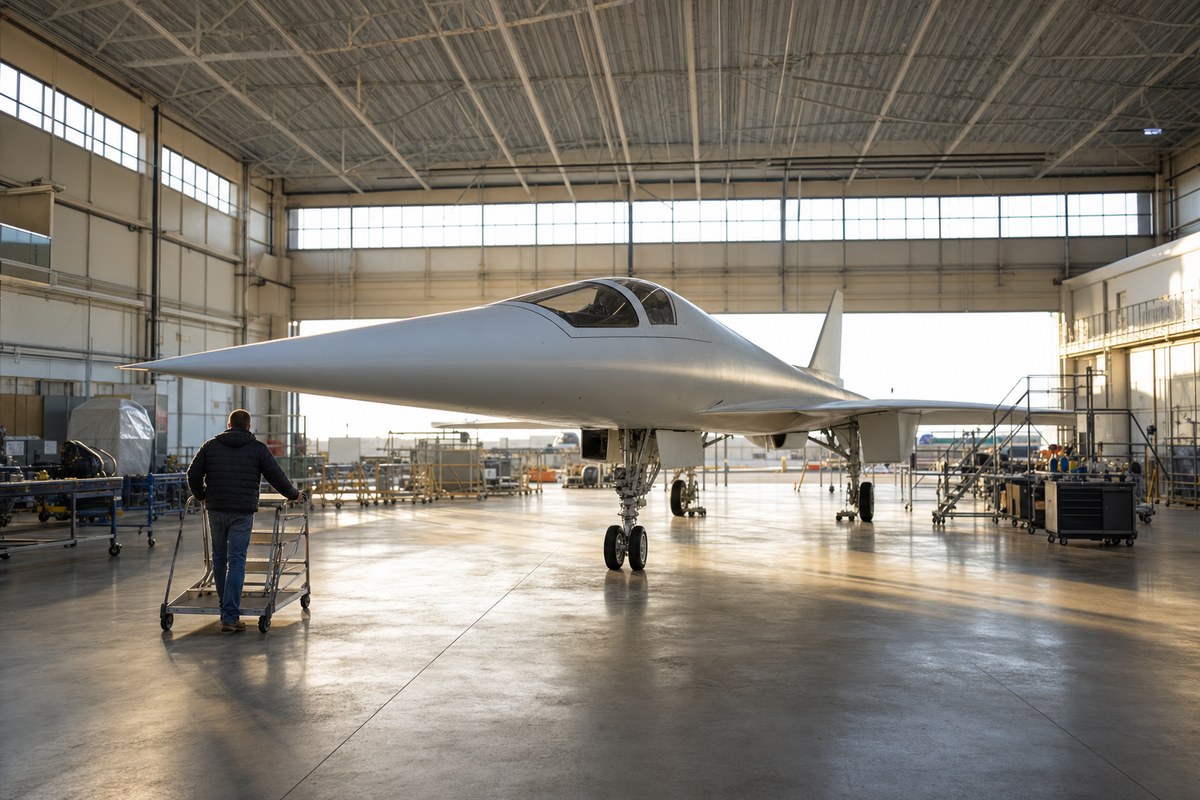
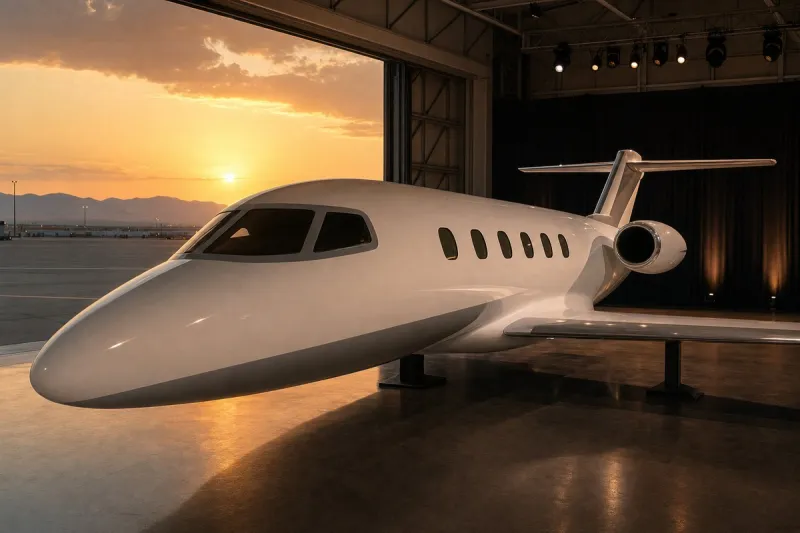
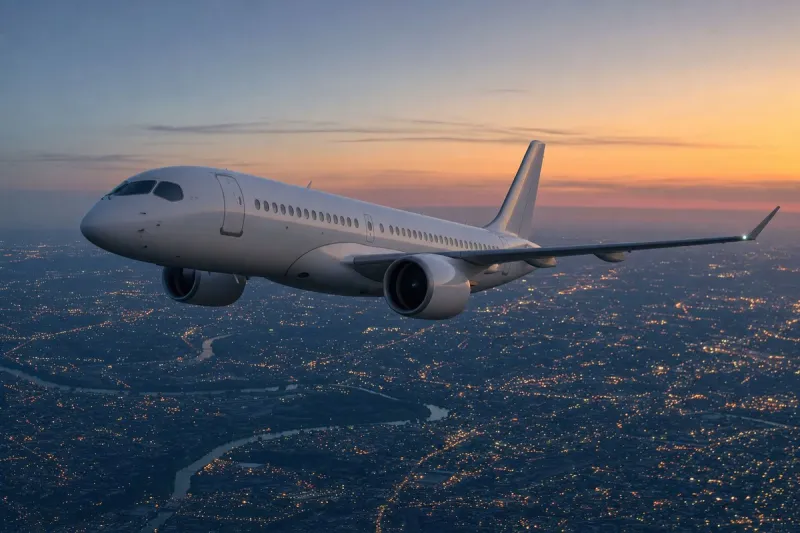
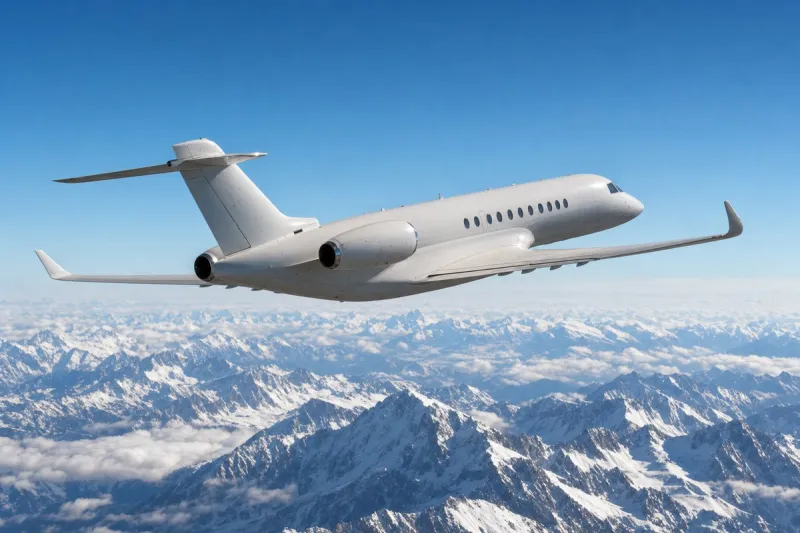
Boom is developing Overture, described as the world's fastest commercial airliner, designed to fly at twice the speed of today's airliners and capable of running on up to 100% sustainable aviation fuel. The aircraft has an order book of 130 aircraft, with orders and pre-orders from American Airlines, United Airlines, and Japan Airlines, and Boom is also working with Northrop Grumman on government and defense applications of Overture.
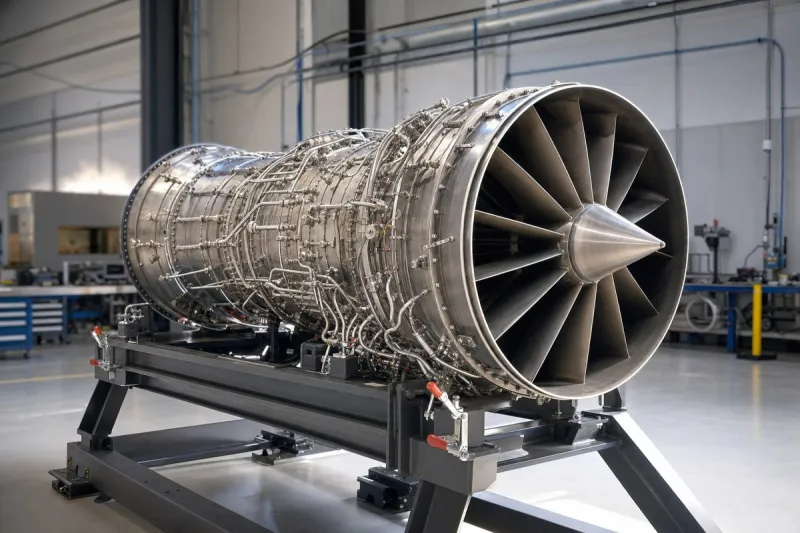
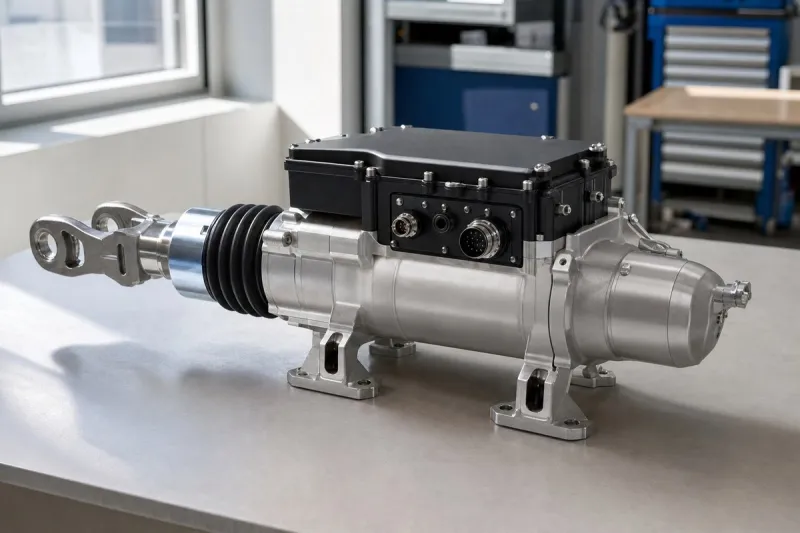
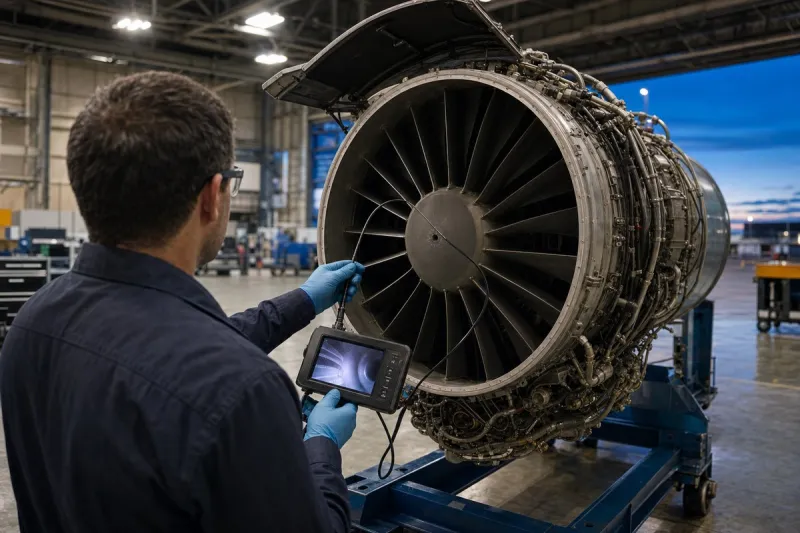
The company is developing Symphony, a purpose-built turbofan engine for supersonic flight, supported by suppliers including Florida Turbine Technologies, a Kratos company, Colibrium Additive, and StandardAero. Boom's technology demonstrator aircraft, XB-1, described as the world's first independently developed supersonic jet, made its first flight in March 2024, completed a series of flight tests in Mojave, California, and achieved successful supersonic test flights in January and February 2025.
Industry impact & what to watch
Boom's approach illustrates how a new aircraft category re-enters commercial service: a demonstrator proves the flight envelope, a dedicated engine program is built alongside airframe suppliers, and airlines commit through pre-orders before certification is complete. The involvement of American Airlines, United Airlines and Japan Airlines as order or pre-order holders shows carriers hedging on a future capability rather than committing firm capital at this stage, while a defense-oriented partnership with Northrop Grumman signals an attempt to diversify revenue paths beyond passenger service.
For engine development specifically, relying on established suppliers such as Florida Turbine Technologies, Colibrium Additive and StandardAero reflects how a from-scratch aircraft program still depends on the existing propulsion supply base rather than building every component independently. The successful supersonic test flights of the XB-1 demonstrator in January and February 2025 mark a technical milestone that precedes, rather than substitutes for, the certification and production work still ahead for Overture itself. Whether the 130-aircraft order book converts into firm, delivered aircraft will depend on certification progress and engine maturity that have not yet been demonstrated at production scale.