Trump Administration Proposes Expanding Private Airport Screening to 220 Non-Hub Airports, Cutting Over 4,000 TSA Positions
Why It MattersThe plan tests whether airport security can be restructured around variable contractor staffing rather than fixed federal headcount without weakening oversight standards.
What happened
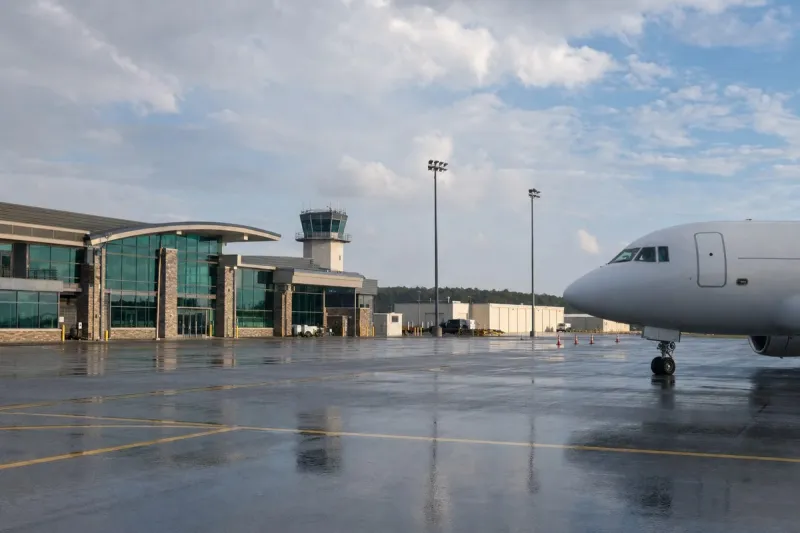
The Trump administration has proposed expanding the Screening Partnership Program (SPP) to approximately 220 non-hub airports across the United States, a change that could eliminate more than 4,000 Transportation Security Administration positions. The TSA currently runs security screening directly at roughly 430 commercial airports nationwide, and the SPP allows private companies to staff checkpoints instead of federal employees while operating under TSA oversight, using TSA-approved equipment, procedures, and training standards.
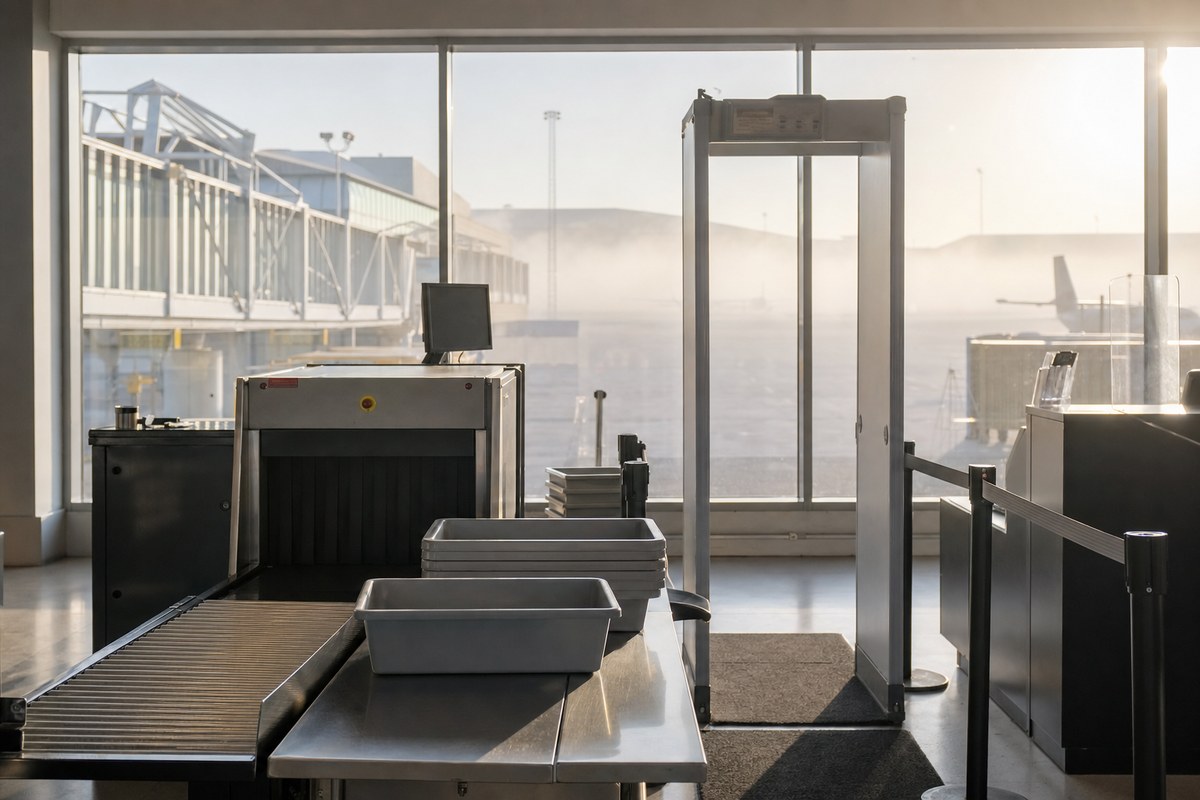
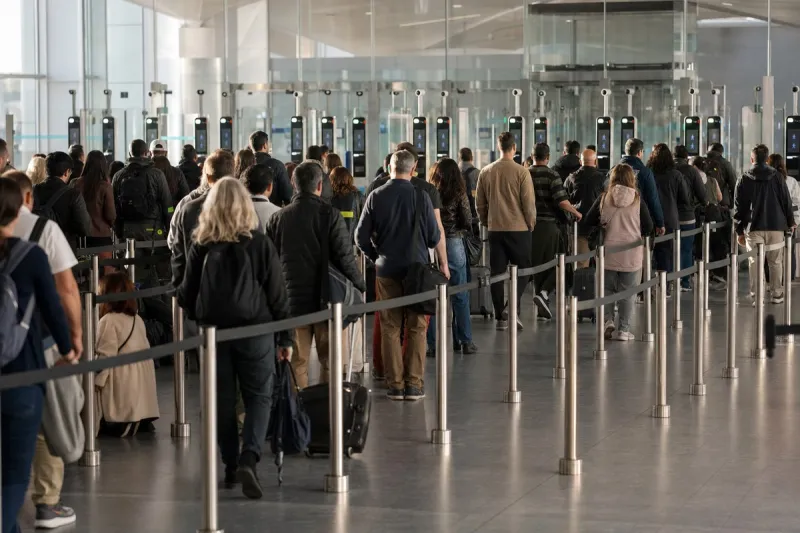
Privatized screening already operates at a subset of airports under the SPP. At Punta Gorda Airport, peak checkpoint wait times fell from 45 minutes to under 10 minutes after the shift to private screening. Under the SPP, private screening firms must follow the same security standards, use the same scanning equipment, and submit to regular TSA audits, and the agency evaluates SPP applications on cost, security effectiveness, and impact on the traveling public before approving contracts. The administration's broader privatization push also includes newer concepts called TSA Gold and Gold+, described as going beyond the standard SPP framework, though detailed parameters of those programs have not been fully disclosed.
Airport security federalization dates to 2003, when most screening roles were transferred to government employees under the newly created TSA, part of the Department of Homeland Security, following the September 11, 2001 attacks. The legislation that created the TSA preserved a pathway for select airports to use private contractors under federal supervision, forming the basis of today's SPP.
Industry impact & what to watch
This proposal extends a two-decade-old carve-out in the post-2001 federalization of airport security rather than creating a new mechanism, applying an existing contractor pathway at a scale not previously attempted. The SPP model works by keeping TSA as the standards-setter and auditor while shifting staffing decisions to private firms, which proponents say can flex headcount against passenger volume more readily than a federal workforce; the Punta Gorda wait-time drop is the case supporters point to for that argument. Critics' concerns center on consistency across contractors and what happens to accountability and continuity during the transition itself, not on the underlying security standards, which remain federally set either way.
For the non-hub airport segment specifically, the outcome hinges on how TSA structures the Gold and Gold+ tiers, since those are described as going beyond the standard SPP framework without disclosed parameters yet. Whether checkpoint staffing costs, contract terms, and audit frequency shift meaningfully from the current SPP baseline will determine if this becomes a broad restructuring of screening labor or a targeted expansion limited to smaller airports. The next marker to watch is how TSA defines and rolls out those Gold-tier parameters, since that disclosure will show whether the program changes screening economics or simply changes who employs the screeners.